Skip to Content
chevron-left chevron-right chevron-up chevron-right chevron-left arrow-back star phone quote checkbox-checked search wrench info shield play connection mobile coin-dollar spoon-knife ticket pushpin location gift fire feed bubbles home heart calendar price-tag credit-card clock envelop facebook instagram twitter youtube pinterest yelp google reddit linkedin envelope bbb pinterest homeadvisor angies

What Are the 2026 Best Picture Windows?

Choosing the best picture windows in 2026 requires more than comparing frame colors or glass size. Energy performance matters. The U.S. Department of Energy reports that windows can cause 25–30% of residential heating and cooling energy use. That figure makes a large fixed window worth examining carefully, especially beside a sunny south-facing wall.

The National Fenestration Rating Council (NFRC) label provides measurable details, including U-factor, solar heat gain coefficient, visible transmittance, and air leakage. ENERGY STAR guidance also emphasizes climate-specific performance rather than one universal window specification. A low U-factor can help retain winter heat. A lower SHGC may reduce summer overheating. However, the “best” choice changes with orientation, shading, glass coatings, and installation quality. The frame is only part of the story.

John Carmody, a leading fenestration researcher and co-author of Residential Windows, described windows as “the most complex component of the building envelope.” That observation still feels practical in 2026. A beautiful picture window can perform poorly when flashing fails or the opening faces intense afternoon sun. Small details matter.

This guide compares today’s leading picture windows through verified ratings, material performance, daylight, durability, and real installation concerns. It also recognizes an uncomfortable limitation: published laboratory values cannot fully predict every home’s results. Your wall assembly, local weather, and installer may matter just as much. Expect trade-offs. That is the honest starting point.
What Are the 2026 Best Picture Windows?

What Defines a Picture Window in 2026

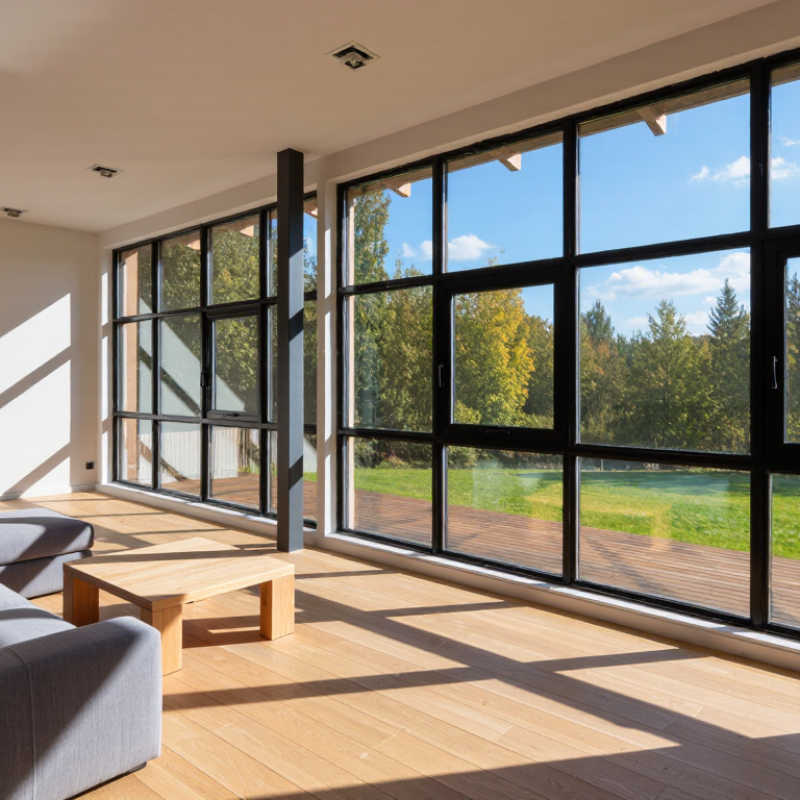
What defines a picture window in 2026 is still its fixed, non-opening design. Unlike casement or sliding windows, it has no operating sash. Its purpose is clear: deliver an uninterrupted view, generous daylight, and a quiet connection with the outdoors. Modern versions may use larger glass panels, slimmer frames, and improved sealing systems. However, appearance alone does not determine quality.

During window assessments, I look beyond the view. A reliable picture window should have suitable U-factor and solar heat gain control for the local climate. Low-emissivity glass can reduce heat transfer, while insulated spacers help limit cold edges around the glass. In a sunny room, carefully selected glazing matters. Otherwise, the sofa may feel warm by noon, even when the thermostat stays comfortable. Frame depth, drainage design, and installation accuracy also influence long-term performance.

A picture window does not provide natural ventilation. That limitation is easy to overlook. A practical 2026 layout often pairs it with nearby operable windows, but the arrangement should match the room’s airflow needs. Smart glass can adjust tint in some projects, although cost, controls, and maintenance deserve honest review. Bigger is not always better. A very large panel may increase heat gain, cleaning effort, and replacement difficulty. I still prefer designs that balance the view with energy data, room orientation, and everyday use. The best definition is not simply “large fixed glass.” It is fixed glazing engineered for comfort, daylight, durability, and a specific home.

Key Features of the Best Picture Windows

What Are the 2026 Best Picture Windows?

The best picture windows in 2026 combine wide views, strong insulation, and clean, durable frames. A fixed design usually improves airtightness because it has no moving sash. Low-emissivity glass helps reduce winter heat loss and summer glare. In sunny rooms, a suitable solar heat-gain rating matters as much as the glass coating.

Frame material also deserves careful attention. Fiberglass and well-made composite frames resist swelling, while insulated vinyl can offer practical energy performance. Wood frames provide warmth, but they need regular exterior protection.

From installation experience, even excellent glass performs poorly when the opening is uneven. Precise flashing, drainage, and an airtight perimeter seal are essential. Bigger is not always better.

Tips: Compare U-factor and solar heat-gain ratings for your climate. Check the visible glass area, not only the advertised window size. Ask for verified performance data and installation details. Test the room at different times of day before choosing tint. Dark glass can reduce glare, but it may also make a living space feel dull. I once favored the widest view and underestimated afternoon heat. That choice needed correction.

Top Picture Window Materials and Frame Options

The best picture windows in 2026 will depend on climate, wall design, and frame material. The U.S. Department of Energy reports that windows can cause 25–30% of residential heating and cooling energy use. That makes glass and framing equally important.

Vinyl frames usually offer strong value, low maintenance, and reliable resistance to moisture. Fiberglass frames are more rigid and tolerate large glass areas with less seasonal movement. Wood frames provide warmth and excellent insulation, but they need careful exterior protection.

Aluminum frames look slim and modern, yet standard aluminum conducts heat quickly. Thermal breaks improve performance. Composite frames can balance stiffness, insulation, and appearance, although their long-term repair record deserves more study.

Look for the lowest practical U-factor in cold climates. Choose a lower Solar Heat Gain Coefficient in hot, sunny regions. The National Fenestration Rating Council’s certified product data helps compare these values under consistent testing conditions. DOE guidance also supports low-emissivity coatings and insulated glazing for reducing heat transfer. A double-pane unit may suit moderate climates, while triple glazing can help in severe cold. More glass is not always better.

Measure carefully. An oversized frame can reduce wall insulation and complicate installation. Poor flashing can defeat excellent laboratory ratings. I would also question vague claims about “maximum efficiency.” Real performance depends on orientation, shading, air sealing, and workmanship. The best specification on paper may still disappoint on a windy wall.

Energy Efficiency, Glass Technology, and Climate Performance

The best picture windows in 2026 will balance clear views with measurable climate performance. Because they do not open, picture windows can provide excellent airtightness. This reduces drafts around large glass areas.

Look for low-emissivity coatings, insulated frames, and double- or triple-pane construction. Gas-filled spaces can improve insulation, but installation quality remains critical. A small gap around the frame can waste energy quickly.

Check the U-factor for heat transfer and the solar heat gain coefficient for sunlight control. Lower U-factors usually suit cold regions. Lower solar heat gain can help in hot, bright climates.

Glass technology should match the room and local weather. A south-facing window may need stronger solar control than a shaded north-facing opening.

In humid areas, warm-edge spacers can reduce condensation near the glass edge. Impact-resistant glazing may also matter in storm-prone regions. Certified performance labels offer useful comparisons, but they do not replace a site inspection.

Field evaluations often reveal an uncomfortable detail: the most advanced glass cannot correct poor sizing or careless flashing. Triple-pane glass is not automatically the best choice. It can add weight, cost, and installation demands. I would compare climate data, wall orientation, frame quality, and long-term maintenance before choosing. Sometimes, a simpler window performs better because it was installed correctly. Condensation patterns and winter drafts deserve attention.

How to Choose the Right Picture Window for Your Home

What Are the 2026 Best Picture Windows?

Choosing the right picture window starts with your room, not a product label. A picture window is fixed, so it provides broad views but no natural ventilation. Check airflow needs before choosing one. The U.S. Department of Energy reports that windows can cause 25% to 30% of residential heating and cooling energy use. That makes glass performance important. For cold climates, select a low U-factor. For sunny rooms, compare the solar heat gain coefficient, or SHGC. Lower SHGC can reduce unwanted summer heat.

Window size and direction also matter. A south- or west-facing opening may need stronger solar control. North-facing glass usually benefits more from visible light and insulation. The National Fenestration Rating Council advises comparing certified U-factor, SHGC, visible transmittance, and air-leakage ratings. Do not judge performance by glass size alone. A poor installation can create drafts around the frame. On-site experience shows that flashing, insulation, and sealing deserve equal attention. Honestly, installation details are often underestimated.

Tips: Measure the rough opening twice. Ask for the full NFRC label. Choose laminated or tempered glass where safety risks exist. Consider interior glare near desks and televisions. A wider window may look impressive, but it can complicate delivery and structural work. Fixed windows also require another method for fresh air. That trade-off deserves reflection. The “best” option is not always the largest one.

What Are the 2026 Best Picture Windows? How to Choose the Right Picture Window for Your Home

Window Option Best For Typical Frame Materials Glass and Energy Features Ventilation Maintenance Main Advantages Important Considerations
Fixed Picture Window Unobstructed views, living rooms, stairwells, and feature walls Vinyl, fiberglass, wood, aluminum-clad wood, or aluminum Double-pane or triple-pane insulated glass; low-emissivity coating; argon gas may improve insulation between panes None Low; clean the glass and inspect perimeter seals periodically Usually provides the largest clear glass area, strong weather resistance, and excellent daylight It cannot be opened, so another window or mechanical ventilation may be needed in the same room
Large Fixed Wall Window Modern interiors, panoramic views, and rooms that need substantial natural light Fiberglass, aluminum, aluminum-clad wood, or engineered vinyl Low-e insulated glazing; safety glazing may be required in hazardous locations; solar-control glass can reduce unwanted heat gain None Low to moderate; larger glass areas require more frequent cleaning Creates a strong architectural focal point and can make a room feel more spacious Requires careful structural planning, correct flashing, and adequate wall support for large units
Picture Window with Operable Companion Rooms needing both a broad view and natural airflow Vinyl, fiberglass, wood, or composite frames Use matching double-pane or triple-pane low-e glass; select a compatible energy-performance rating for the local climate Provided by an adjacent casement, awning, single-hung, or double-hung window Moderate; the operable section adds hardware, tracks, and seals to maintain Combines the clean appearance of a picture window with practical ventilation and emergency-egress potential where permitted The companion window may have different sightlines, hardware, and performance characteristics
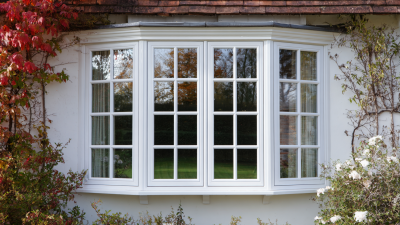
Bay or Bow Window with Center Picture Section Creating a projecting seating area, reading nook, or expanded exterior view Vinyl, wood, fiberglass, or composite frames Insulated low-e glass; all joints, roof sections, and side windows need proper weatherproofing Possible when side units are operable Moderate to high; inspect multiple sashes, roof panels, joints, and exterior trim Adds depth, visual interest, and usable interior space while retaining a central picture-window view Usually costs more to install and may require structural support, interior finishing, and exterior water management
Floor-to-Ceiling Picture Window High-impact views and spaces designed around natural light Fiberglass, aluminum, aluminum-clad wood, or engineered wood systems Low-e insulated glass; consider solar-control glazing, laminated glass, or tempered glass where safety or strong sun exposure is a concern None unless paired with operable units Moderate; extensive glass requires regular cleaning and seal inspection Maximizes daylight and connects interior spaces visually with the outdoors Can increase solar heat gain, glare, privacy concerns, and heat loss if the glass and orientation are poorly selected
Clerestory Picture Window Privacy, daylighting, hallways, kitchens, and rooms with limited wall space Vinyl, fiberglass, aluminum, or wood Double-pane low-e glass; solar-control glazing may be useful on bright elevations None Low Brings in daylight while maintaining privacy and preserving wall space below the window High placement can make cleaning and future replacement more difficult without suitable access
Corner Picture Window Corner rooms, panoramic views, and designs that emphasize multiple directions Fiberglass, aluminum, wood, or aluminum-clad wood Insulated low-e glazing with carefully designed corner connections; thermal breaks are important in metal systems None unless combined with operable windows Low to moderate Provides wide-angle views and can increase daylight from more than one wall Corner detailing, structural support, air sealing, and water management must be handled accurately
Energy-Efficient Picture Window Homes where heating and cooling performance is a priority Fiberglass, vinyl, wood, composite, or thermally improved aluminum Look for low U-factor, suitable solar heat gain coefficient, insulated frames, warm-edge spacers, and certified air-leakage performance None Low Can reduce unwanted heat transfer and improve indoor comfort when correctly sized and installed Performance depends on climate, orientation, shading, installation quality, and the complete window assembly—not glass alone
Noise-Reducing Picture Window Homes near roads, railways, airports, or busy urban areas Vinyl, fiberglass, wood, composite, or aluminum-clad wood Laminated glass, dissimilar glass thicknesses, wider air spaces, and well-sealed frames can improve sound reduction None Low Reduces outside noise more effectively than a basic single-pane design Sound performance varies by frequency and installation; walls, doors, vents, and gaps can also transmit noise
Safety-Focused Picture Window Low windows, doorside locations, family rooms, and areas vulnerable to impact Vinyl, fiberglass, wood, composite, or aluminum Tempered glass breaks into small granules; laminated glass remains bonded after breakage; local codes determine where safety glazing is required None Low Can improve occupant safety and provide additional resistance to accidental impact or breakage Glass type must match the location and applicable building-code requirements; it does not make the entire window burglar-proof
Selection note: Compare the complete window unit’s U-factor, solar heat gain coefficient, visible transmittance, air leakage, water resistance, and installation requirements for your climate and wall design.