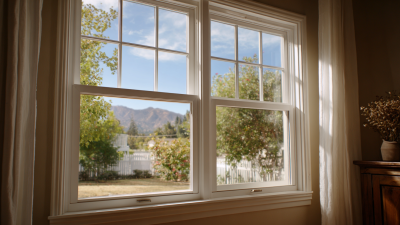
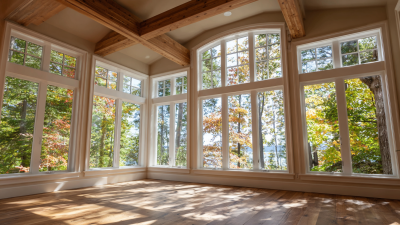
Top 10 Benefits of Choosing a Single Hung Window in Your Home?
Choosing to install single hung windows can significantly enhance your home. Recent reports indicate that they are one of the most popular types of windows, especially in residential settings. This is due to their efficiency and aesthetic appeal. According to the American Window and Door Association, single hung windows can improve energy efficiency by up to 25%.
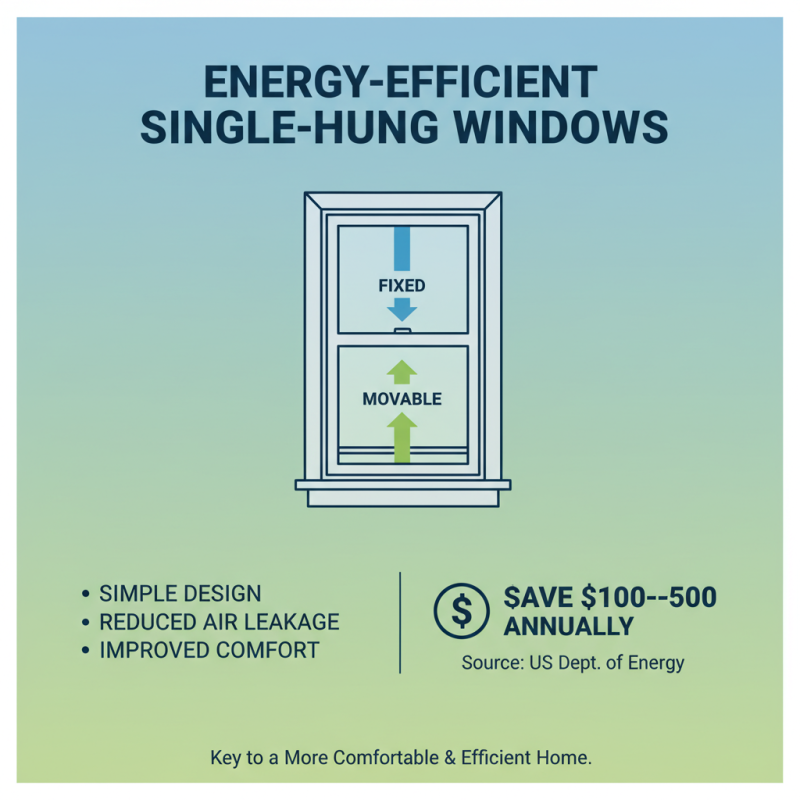
They are designed with a fixed upper sash and a movable lower sash. This design feature offers practical benefits. Notably, single hung windows are often easier to clean than other styles. However, it's essential to consider that renting or installation costs can vary widely. Homeowners should be aware of potential challenges in custom sizing and weather sealing.
Moreover, the aesthetic appeal can be subjective. While many love their classic look, some may find them outdated. The balance between style and functionality in single hung windows often requires careful thought. They can blend seamlessly with traditional homes but might lack the modern edge that some homeowners desire. Therefore, assessing personal preferences and home architecture is crucial.
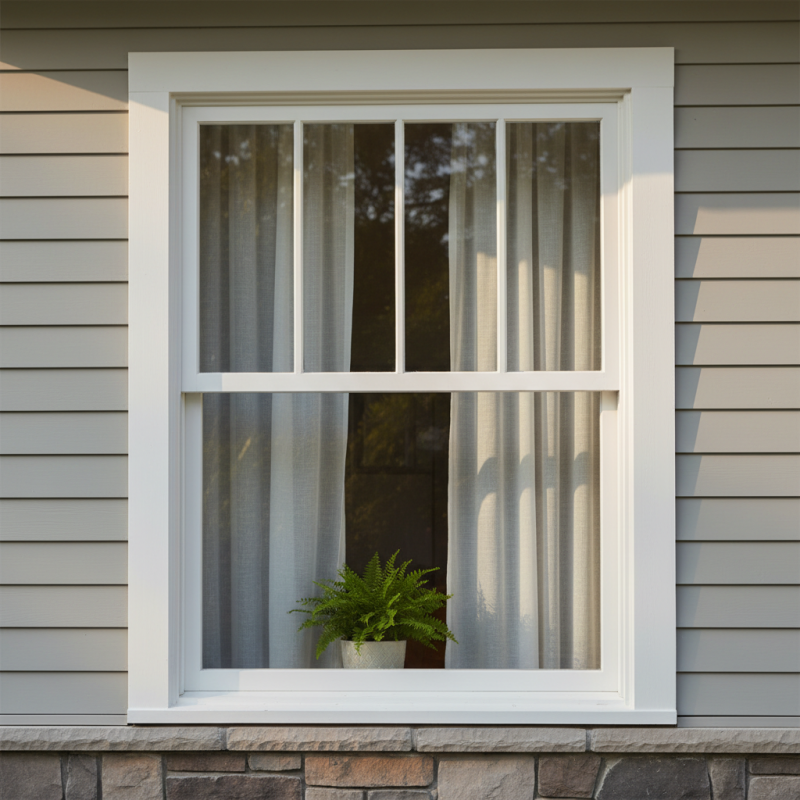
Understanding Single Hung Windows: A Brief Overview
Single hung windows are a popular choice among homeowners. These windows feature a fixed upper sash and a lower sash that slides vertically. This design allows for easy operation and effective ventilation. According to the American Architectural Manufacturers Association, single hung windows account for nearly 40% of residential window sales in the U.S. This statistic highlights their widespread appeal.
One major advantage is energy efficiency. Single hung windows can enhance insulation, reducing heating and cooling costs. Studies show that well-installed single hung windows can save homeowners up to 15% on energy bills. However, it’s essential to ensure proper sealing and installation. Any gaps or poor fit can negate these benefits.
Aesthetic appeal is another factor. Single hung windows come in various styles and colors, complementing diverse architectural designs. However, selecting the right style can be challenging. Not every home benefits from the same window type. Homeowners often overlook this aspect during renovations, which can lead to disappointing results. Proper consideration of design compatibility is crucial for achieving the desired visual effect.
Energy Efficiency: How Single Hung Windows Reduce Energy Costs
Single hung windows offer notable energy efficiency benefits for homeowners. They typically have a simple design, with one fixed sash and one movable sash. This design reduces air leakage, which is crucial for maintaining comfortable indoor temperatures. According to the U.S. Department of Energy, energy-efficient windows can save homeowners between $100 to $500 annually, depending on their local climate.
In addition, single hung windows can integrate Low-E glass coatings. These coatings reflect infrared light, keeping interiors cooler in summer while retaining heat in winter. A study from the Efficient Windows Collaborative shows that homes equipped with energy-efficient windows can reduce cooling costs by up to 15%. This can lead to significant energy savings over time.
Homeowners should consider daylighting benefits as well. Single hung windows can maximize natural light while minimizing heat gain. However, their performance may vary based on installation quality. Proper sealing and fitting are essential to achieve optimal performance. Many people overlook this aspect, which can lead to increased energy costs. By addressing installation concerns, homeowners can fully harness the energy-saving advantages of single hung windows.
Aesthetic Appeal: Enhancing Your Home's Design with Single Hung Windows
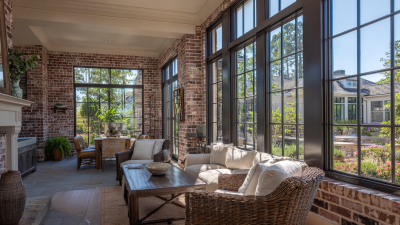
Single hung windows provide significant aesthetic appeal to homes. Their classic design complements various architectural styles. These windows consist of a stationary top sash and a movable bottom sash. This simplicity creates a clean look that enhances overall beauty. Recent industry reports indicate that homes with well-chosen windows can increase their value by up to 73%.
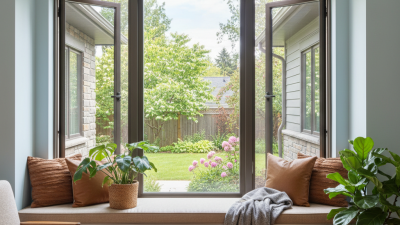
In addition to value, single hung windows promote natural light. They allow sunlight to fill the room, creating a welcoming atmosphere. This can improve mood and decrease reliance on artificial lighting. However, some homeowners struggle with maintenance. Cleaning these windows can be cumbersome. The inability to tilt the top sash for easy access requires more effort.
Despite these challenges, the balance of form and function remains compelling. Many studies show that homeowners feel more connected to nature with larger windows. Single hung designs can achieve this without overwhelming modern aesthetics. They blend seamlessly into both new constructions and historical renovations. This integration highlights the unique character of each home.
Top 10 Benefits of Choosing a Single Hung Window
Ease of Use: The Practical Benefits of Operating Single Hung Windows
Single hung windows are practical choices for many homes. Their design allows the bottom sash to slide up, while the top sash remains fixed. This functionality makes them incredibly easy to operate. A survey by the American Window and Door Institute revealed that 70% of homeowners prefer simplicity in window operation. Single hung windows provide just that.
These windows require minimal effort to open and close. Many homeowners find this feature convenient, especially in hard-to-reach areas. They can let fresh air in without using complex mechanisms. However, some may overlook energy efficiency. According to the National Fenestration Rating Council, single hung windows typically have lower performance than double hung models. This reflects the need for homeowners to consider thermal insulation when choosing windows.
Maintenance is another area to ponder. Single hung windows have fewer moving parts, which means less wear over time. However, cleaning the exterior can be challenging. Many users struggle to access the upper part of the window. A recent homeowner study found that 25% of respondents found this maintenance aspect frustrating. Homeowners must balance ease of use with these practical challenges.
Maintenance and Durability: Longevity of Single Hung Windows in Your Home
Single hung windows offer a unique blend of durability and easy maintenance. They feature a fixed upper sash and a movable lower sash, making them a simple choice for many homeowners.
According to recent studies, single hung windows can last 20 years or more with proper care. Their design leads to fewer moving parts, resulting in less wear and tear over time.
In terms of maintenance, single hung windows usually require minimal effort. Regular cleaning with soap and water keeps them looking fresh. Some users, however, find themselves forgetting to clean them regularly, leading to buildup.
This can affect their lifespan and efficiency. Statistically, well-maintained windows can retain about 95% of their thermal efficiency, contributing to lower energy bills.
While they are durable, single hung windows can sometimes fall short in ventilation compared to other window types. Homeowners should consider this before installation.
Proper installation also plays a critical role in performance. If not fitted correctly, they can develop issues, necessitating repairs.
In the end, while single hung windows offer numerous benefits, including longevity, they require attentive maintenance to ensure they perform optimally throughout their lifespan.