2026 Best Construction Windows for Energy Efficiency and Durability
In recent years, the demand for energy-efficient and durable construction windows has surged. According to the U.S. Department of Energy, energy-efficient windows can reduce energy bills by 7-15%. The construction windows market is expanding rapidly. An increasing number of homeowners prioritize sustainability. High-quality windows can significantly impact a building's overall energy performance.
Expert in the construction window industry, James Thompson, emphasizes, "Choosing the right windows can make or break a home's energy efficiency." This underscores the importance of selecting windows that not only meet aesthetic needs but also offer long-term durability. However, with numerous options available, making the right choice is challenging.
Many clients report confusion regarding what constitutes an efficient window. Misconceptions about styles and materials are common. Some believe that all window types are equally effective, which is not true. Each option varies in terms of insulation and durability. This complexity calls for a thoughtful approach when investing in construction windows. Therefore, understanding the market and making informed decisions are crucial for lasting benefits.
2026 Energy Efficiency Standards for Construction Windows: An Overview
The 2026 Energy Efficiency Standards for construction windows are set to reshape the industry. The standards aim to reduce energy consumption across buildings. According to the U.S. Department of Energy, windows account for up to 30% of residential heating and cooling energy use. This number emphasizes the significance of having energy-efficient windows.
In 2026, the focus will be on two key metrics: U-factor and Solar Heat Gain Coefficient (SHGC). The U-factor measures how well a window insulates. Lower values indicate better insulation. The SHGC reflects the amount of solar radiation transmitted through the window. A well-balanced SHGC can optimize heat gain during winter and minimize it during summer, improving overall energy efficiency.
This transition isn't without challenges. Many older buildings contain windows that don't meet new standards. Upgrading them may require significant investment. Furthermore, not all energy-efficient materials offer durability. There's a risk that some might fail early, leading to increased waste. Balancing energy efficiency with durability is essential, yet complex. The industry must continually adapt and innovate to meet these new demands. Achieving energy goals while managing costs will require ongoing commitment and creativity.
Top Materials for Durable Windows: Strength and Lifespan Analysis
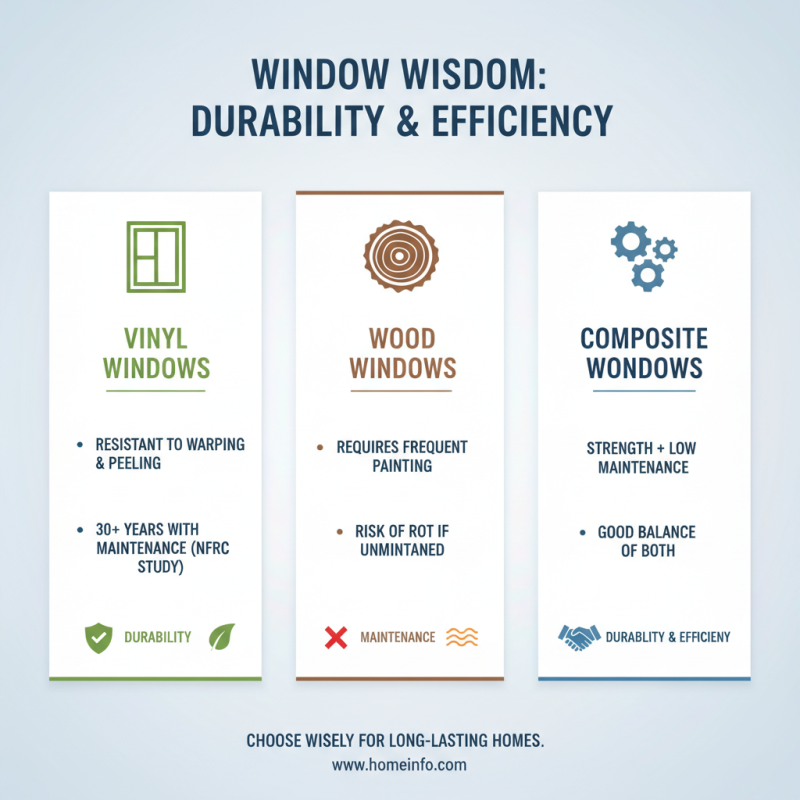
When considering window materials, durability and energy efficiency are paramount. Vinyl windows stand out due to their resistance to warping and peeling. A study by the National Fenestration Rating Council shows they can last over 30 years with proper maintenance. Wood, while attractive, has drawbacks. It requires frequent painting and may rot if not maintained. Composite windows offer a good balance, combining strength with lower maintenance needs.
Glass is another crucial factor. Double-glazed windows improve insulation by trapping air and reducing heat loss. Data indicates that they can save homeowners up to 20% on energy bills. However, not all glass is created equal. Low-emissivity (Low-E) coatings can enhance energy efficiency but may increase cost. Buyers often overlook this aspect.
Tip: When choosing windows, consider local climate. Extreme weather can impact material performance. Ensure adequate insulation and resistance matching your region's needs. Remember, investing in quality materials now can prevent costly replacements later.
Energy Star Certification: Importance for Construction Windows in 2026
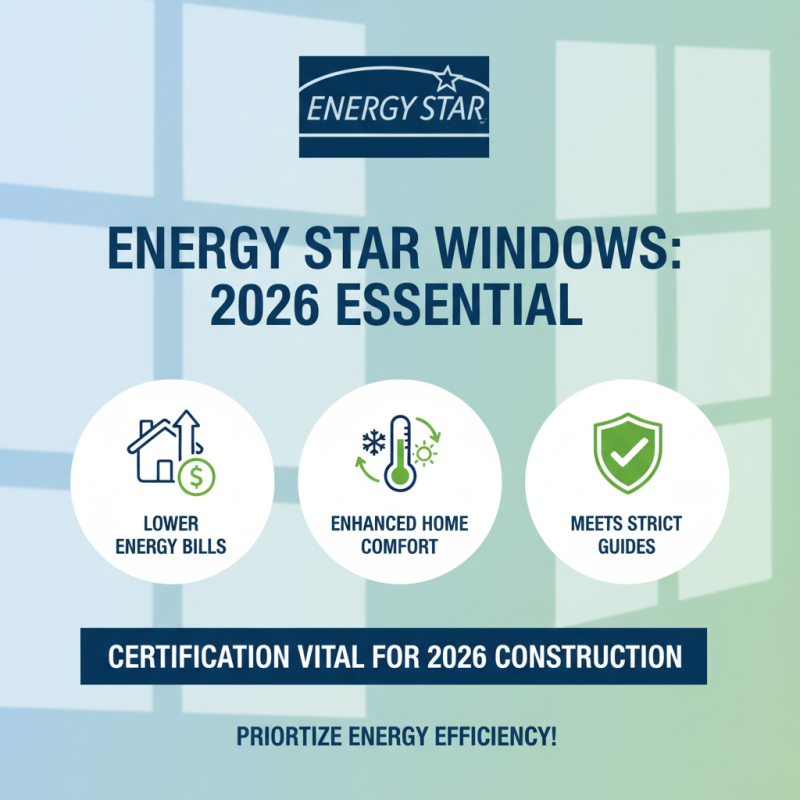
Energy Star certification is vital for construction windows in 2026. This label indicates that windows meet strict energy efficiency guidelines. Energy-efficient windows help reduce energy bills and enhance comfort. Homeowners should prioritize these features when selecting windows.
Investing in Energy Star windows pays off long term. These windows minimize heat loss in winter and keep homes cooler in summer. Choosing the right glazing, frame materials, and design makes a difference. However, it’s easy to overlook some details. Ignoring these details could lead to regret later.
Tips: Always check the U-factor and solar heat gain coefficient ratings. These numbers indicate how well windows perform in various climates. Additionally, consider local weather conditions before making a final decision. It is crucial to balance aesthetics with functionality. Also, do not rush the installation process. A poor fit can compromise energy efficiency, leading to potential issues down the line.
Comparative Analysis: Triple vs. Double Glazing for Insulation Performance
When considering insulation performance, the choice between triple and double glazing is crucial. Triple glazing typically features three panes of glass, offering improved thermal insulation. Studies demonstrate that triple-glazed windows can reduce heat loss by up to 30% compared to double-glazed options. This can significantly impact energy bills and indoor comfort levels. However, not all homes require the intensity of triple glazing; sometimes, double glazing suffices.
Double-glazed windows comprise two glass panes with a gas-filled space in between. They still provide good insulation but often at a lower cost. Some reports indicate that double glazing can reduce heat loss by approximately 20%. For many households, it balances efficiency and budget considerations. Choosing the right option depends on climate and specific needs, which can vary greatly.
**Tips:** Consider your local climate. If temperatures regularly dip below freezing, triple glazing may be worth the investment. Conduct an energy audit to understand your home’s specific needs. Assess your budget as double glazing can be a sensible choice for milder climates. Always consult with professionals to determine the best fit for your situation.
2026 Best Construction Windows for Energy Efficiency and Durability
Impact of Window Orientation on Energy Efficiency in Modern Buildings
The orientation of windows plays a crucial role in the energy efficiency of modern buildings. Research indicates that south-facing windows can enhance passive solar heating, significantly reducing heating costs in winter months. In fact, buildings with optimal window orientation can see energy savings of up to 30%. However, the benefits can be diminished if not paired with proper shading techniques. Without shade, south-facing windows may lead to excessive heat gain during summer, increasing cooling loads.
East and west-facing windows also present unique challenges. They can gain heat in the morning and afternoon, impacting the indoor climate. Data shows that homes with a high percentage of east and west-facing windows require 10-15% more energy for cooling compared to those with primarily north and south orientations. This increase can be detrimental, especially in warmer climates.
However, window technology has evolved. High-performance glazing and low-emissivity coatings help mitigate heat transfer, making any orientation more manageable. Yet, not all buildings utilize these advancements effectively. Homeowners often overlook the importance of window orientation during the design phase, leading to long-term inefficiencies. Addressing these aspects early can create a truly energy-efficient space.
2026 Best Construction Windows for Energy Efficiency and Durability - Impact of Window Orientation on Energy Efficiency in Modern Buildings
| Window Type |
Orientation |
U-Value (W/m²K) |
Solar Heat Gain Coefficient |
Durability Rating |
| Double Glazed |
South |
1.2 |
0.40 |
High |
| Triple Glazed |
East |
0.9 |
0.35 |
Very High |
| Low-E Glass |
West |
1.1 |
0.25 |
Moderate |
| Fiberglass |
North |
1.3 |
0.45 |
High |
| Vinyl |
South-East |
1.0 |
0.30 |
Moderate |