Blog
How to Choose the Best Double Hung Windows in 2026
Choosing the best double hung window in 2026 takes more than comparing frame colors or advertised prices. The right choice depends on your climate, home, budget, and how often you open each sash. A window that works well in a mild coastal area may not suit a cold, windy location. Small details matter. Check how smoothly the sashes move, whether they tilt inward for cleaning, and how firmly the locks engage.
Compare frame materials, glass options, air-leakage data, and warranty terms using current manufacturer specifications. Energy ratings can help, but their relevance depends on your region and local conditions. Look for clear, independently verified performance information where available. Ask an experienced installer to assess the opening, flashing, and surrounding trim before you order; even a well-made unit can underperform when installed poorly. A showroom sample can feel reassuring, but it cannot show how a window will handle months of rain, drafts, or condensation.
There is no single winner for every home. That part is messy. A lower purchase price may mean trade-offs in hardware, maintenance, or long-term comfort, while premium features are not automatically worth their cost. Consider who will operate the window, how accessible it is, and whether replacement parts are available. This guide explains the practical checks behind a confident choice, so you can compare options without relying on sales claims alone. Think of it as a starting point, not a substitute for measuring your home and reviewing product documentation.
Identify Your Room, Climate, and Window Replacement Needs
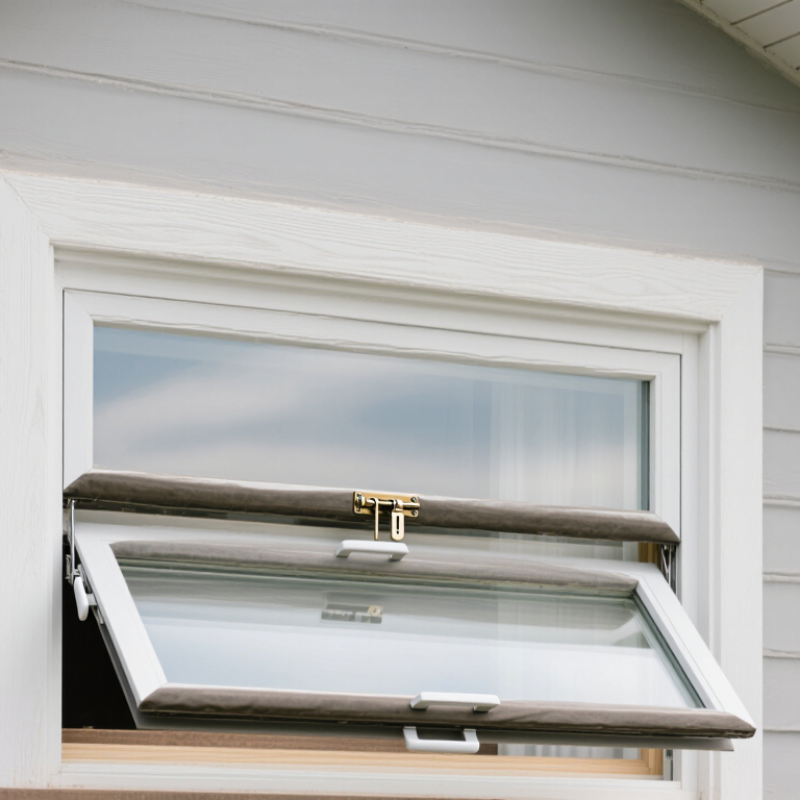
Choosing a double hung window starts with the room, not the catalog. In a bedroom, check whether both sashes open easily and whether the window suits your ventilation needs. In a kitchen, consider reach, cleaning access, and nearby counters. A narrow room may benefit from inward-tilting sashes, but confirm the hardware and clearance before ordering. Small details matter.
Climate changes the performance you need. The U.S. Department of Energy’s Energy Saver guidance estimates that heat gain and loss through windows account for 25–30% of household heating and cooling energy use. Compare NFRC-rated U-factor and solar heat gain coefficient (SHGC): lower U-factor generally limits heat transfer, while the right SHGC depends on local climate and sun exposure. South-facing glass in a sunny room behaves differently from a shaded north-facing window. Check the label, not just the salesperson’s description.
Replacement needs deserve a close look, too. Note drafts, condensation between panes, sticking sashes, and soft or stained wood around the frame. If the frame is damaged, a simple insert may not address the underlying problem; have the opening assessed before choosing. Measure the existing window, then verify measurements with the installer. I’ve seen tidy estimates miss awkward trim and uneven openings. It happens. A little skepticism helps.
Compare Frame Materials, Glass Options, and Construction Quality
For double-hung windows, compare frame materials by upkeep as well as insulation. Vinyl is usually low-maintenance, but thin or poorly reinforced frames may flex. Fiberglass resists temperature-related movement; wood offers a warm finish but needs regular care. No material wins every house. Check that the sash slides smoothly and stays put without sticking.
Glass and construction matter just as much. Low-emissivity coatings can reduce heat transfer, while gas-filled double glazing adds another insulating layer. Compare the whole-window U-factor and solar heat gain coefficient on the National Fenestration Rating Council label; lower U-factors generally mean less heat escapes. The U.S. Department of Energy estimates that replacing single-pane windows with efficient models can lower household energy bills by about 12% on average. Actual savings vary with climate, installation, and existing windows. A strong frame cannot make up for sloppy sealing.
Tips: Inspect sample corners, locks, weatherstripping, and drainage paths. Ask how the unit is tested, not just what its glass promises. Measure the opening carefully; even good windows can disappoint when installation is uneven.
Evaluate Energy Ratings, Air Leakage, and Weather Resistance
How to Choose the Best Double Hung Windows in 2026
Evaluate Energy Ratings, Air Leakage, and Weather Resistance
Compare each window’s U-factor and solar heat gain coefficient, or SHGC. A lower U-factor generally means less heat escapes through the window. SHGC helps show how much solar heat enters, which matters in sunny rooms. Check that ratings reflect your climate and the window’s intended use. Numbers alone do not tell the whole story.
Ask for an air-leakage rating, and compare products tested under the same standard. Even a well-rated window can feel drafty if installation leaves gaps around the frame. Small gaps matter. Inspect the sill, meeting rail, and locking points for solid contact. For weather resistance, look for documented water and wind testing, especially if the window faces heavy rain or strong gusts. I would not choose based on a single impressive rating; the right balance depends on your home.
Tips: Before buying, note which rooms feel cold or overheated, and check for condensation after a chilly night. Ask an installer how the opening will be sealed and flashed. Take measurements carefully, but have a professional verify them. It is easy to overlook trim or an uneven sill.
Check Operation, Cleaning Access, Safety, and Maintenance Needs
A double-hung window should feel controlled, not merely movable. Raise and lower both sashes before choosing, then check that they stay in place without drifting. Test the tilt latches, too. Can each sash tilt inward far enough to clean its outside glass from indoors? That matters on upper floors, where awkward reaching is risky. The U.S. Department of Energy estimates that heat gain and loss through windows account for 25%–30% of residential heating and cooling energy use. Worn weatherstripping or a sash that does not close snugly can undermine comfort. Small checks matter.
Look closely at locks, meeting rails, and accessible cleaning paths. CPSC window-safety guidance cites more than 3,300 emergency-department-treated window-fall injuries each year among children five and younger; ordinary insect screens are not fall protection. Ask whether the selected window can accept a suitable opening-control device, and keep furniture away from openings.
For upkeep, inspect weatherstripping, locks, and drainage channels seasonally. Clear grit from tracks with a soft brush; avoid forcing a stiff sash. One detail is easy to miss: a tilt-in sash is useful only if you can safely support it while cleaning. A little awkwardness here deserves a second look.
Compare Installation Quotes, Warranties, and Long-Term Value
When comparing double-hung window quotes, match the scope before comparing totals. Check how many windows are included, whether old frames and trim will be removed, and who handles disposal. Ask for the window’s U-factor, air-leakage rating, glass package, and installation method in writing. Small details matter. A low quote may omit flashing or interior repairs, leaving you with a neat price and a draft near the sill.
The U.S. Department of Energy estimates that windows account for about 25–30% of residential heating and cooling energy use. That figure is a reason to compare performance, not a promise of savings: climate, shading, and existing insulation all affect results. The 2024 Cost vs. Value report puts average vinyl window replacement at about $21,264 nationally, with an estimated $14,270 in resale value. Treat this as a broad benchmark, not a local bid or guaranteed return.
Read warranty terms beside the quote. Separate coverage for glass, hardware, frame, and labor; check transfer rules and exclusions for moisture or installation problems. Ask who will service the window if a sash sticks five years later. A longer warranty can sound reassuring, but weak labor coverage may shift repair costs back to you. I would still compare the installer’s written work plan carefully; a promise on paper is not the same as careful flashing on a rainy day.
How to Choose the Best Double Hung Windows in 2026 — Compare Installation Quotes, Warranties, and Long-Term Value
Use these illustrative U.S. planning ranges to compare like-for-like replacement quotes. They are not live bids; actual prices and warranty terms depend on window size, location, access, project scope, and the written terms offered.
| Window option | Illustrative installed price per window | Typical strengths | Trade-offs to consider | Warranty details to check | Long-term value considerations | Best fit |
|---|---|---|---|---|---|---|
| Vinyl, double pane | $600–$1,200 | Usually low maintenance; frames do not need painting; broad availability. | Frame appearance and color choices may be more limited; performance varies by frame design and glass package. | Confirm coverage for frame, insulated glass, hardware, and labor separately. Check whether coverage is prorated or transferable. | Often a lower upfront-cost option. Compare air leakage ratings, glass specifications, and installation quality—not price alone. | Budget-conscious projects and homes where low routine maintenance is a priority. |
| Fiberglass, double pane | $900–$1,800 | Rigid frame; generally stable through temperature changes; can be painted on some models. | Usually costs more than basic vinyl; availability and finish options vary by market. | Ask what the warranty covers for finishes, seals, moving parts, and installation. Verify maintenance requirements for painted surfaces. | May be worth the added cost when frame stability, finish options, or a specific design is important. | Owners seeking a durable-feeling frame with more finish flexibility. |
| Wood interior with exterior cladding | $1,200–$2,500 | Natural wood interior; exterior cladding can reduce routine exterior painting needs. | Higher initial cost; interior wood may need periodic care; water management and installation details matter. | Check whether wood, exterior cladding, glass seals, and labor have different coverage periods or exclusions. | Can offer strong aesthetic value, but compare maintenance costs and repairability over time. | Homes where a wood interior is desired with less exterior upkeep than exposed wood. |
| All-wood, double pane | $1,000–$2,200 | Traditional appearance; can be painted or stained; suitable for some historic or custom designs. | Requires more upkeep to protect exposed surfaces from moisture and weather; condition depends on maintenance. | Review finish, rot, water intrusion, glass, and labor provisions. Ask what maintenance is required to keep coverage valid. | May suit projects where appearance and repairability outweigh lower-maintenance priorities. | Historic-style homes and owners prepared for ongoing maintenance. |
| Any frame material with upgraded glass | Commonly adds about $50–$250 or more per window, depending on the package | Options may include low-emissivity coatings, gas fill, or improved spacer systems. | Benefits depend on climate, orientation, existing windows, and the exact glass specifications. | Confirm whether glass-seal failure is covered, for how long, and whether replacement glass or labor is included. | Compare the quoted U-factor and solar heat gain coefficient with local climate needs; upgrades do not guarantee a specific energy-bill reduction. | Projects where comfort, condensation control, or climate-appropriate performance is a priority. |
Quote checklist: Request the same window size, frame material, glass package, opening method, trim scope, disposal, permits, and installation method from each bidder. Ask for itemized labor and materials, the product’s NFRC-rated U-factor and solar heat gain coefficient, proof of insurance, and warranty documents. Confirm whether the quote includes interior and exterior finishing, repair of concealed damage, and cleanup. Price ranges and coverage examples are for comparison only; obtain current written local quotes and review each warranty before purchase.
Related Posts
-
2026 Best Double Hung Window Types for Global Buyers
-
How to Choose the Right Double Hung Window for Your Home?
-
Best Double Hung Window Options for Global Buyers?
-
Best Sliding Windows for Global Buyers in 2026?
-
Top Benefits of Double Glazed Windows for Your Home
-
Why Choose Single Hung Windows for Your Home Upgrade?