Top Tips for Choosing the Best Construction Windows for Your Project
When embarking on a construction project, one of the most critical decisions you will face is selecting the right construction windows. The choice of windows not only impacts the aesthetic appeal of a building but also significantly influences energy efficiency, comfort, and long-term maintenance. With countless options available in terms of styles, materials, and features, understanding what to prioritize can be overwhelming.
In this guide, we aim to provide you with essential tips that will simplify the process of choosing the best construction windows for your project. From understanding the different types of window materials to considering the local climate and building code requirements, these insights will empower you to make an informed decision. Whether you are building a new home or renovating an existing structure, the right construction windows will enhance both functionality and value, ensuring your investment pays off for years to come.
Factors to Consider When Choosing Construction Windows for Your Project
When selecting construction windows for your project, several key factors must be considered to achieve optimal energy efficiency and performance. According to the National Fenestration Rating Council (NFRC), windows can account for up to 30% of a building's total energy loss. Thus, it's crucial to prioritize window features such as insulation value, solar heat gain coefficient, and air leakage ratings. Selecting windows with a high Energy Star rating can significantly reduce energy consumption and lower utility costs—often showing savings of up to 15% in energy bills, as noted in the Department of Energy's 2022 report on energy-efficient windows.
Another important consideration is the material of the window frames. Research from the American Institute of Architects (AIA) indicates that vinyl and fiberglass frames offer superior thermal performance compared to traditional wood frames, reducing the potential for condensation and prolonging the lifespan of the windows. Furthermore, the selection of glazing options, such as double or triple-pane glass, can enhance soundproofing and provide better protection against UV rays, which can damage interiors. A study conducted by the Lawrence Berkeley National Laboratory emphasizes that homes equipped with advanced glazing systems can experience a significant reduction in glare and improve occupant comfort without compromising natural light intake.
Understanding Different Types of Construction Windows and Their Benefits
When embarking on a construction project, selecting the right type of windows is crucial for both aesthetics and functionality. Different types of construction windows offer varying benefits that can significantly impact energy efficiency, comfort, and overall building performance. For instance, double-glazed windows are known to enhance thermal insulation, reducing heating and cooling costs by up to 25%, according to the Energy Saving Trust. Similarly, low-E glass windows reflect heat while allowing sunlight in, contributing to a more energy-efficient environment.
One important tip for choosing windows is to consider the local climate. Regions with high temperatures may benefit from windows that have reflective coatings to minimize heat gain, while colder climates might require windows that retain warmth. Additionally, pay attention to the window frame materials—vinyl, wood, and aluminum each have distinct benefits regarding maintenance and insulation properties. Selecting the right combination can lead to long-term savings and comfort.
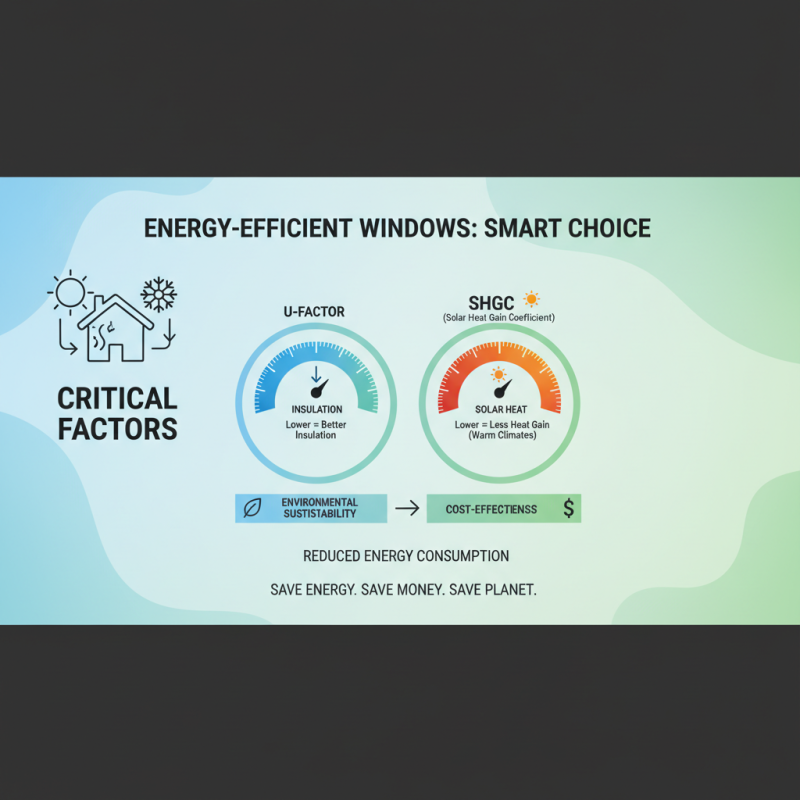
Another tip is to evaluate the window's performance ratings, including the U-factor and Solar Heat Gain Coefficient (SHGC). The U-factor measures the rate of heat transfer, while SHGC indicates how much solar radiation passes through. According to the National Fenestration Rating Council, windows with a lower U-factor and optimal SHGC can significantly enhance a building's energy efficiency. Prioritizing these ratings ensures that your chosen windows will perform effectively in their intended environment, ensuring that your construction project is both durable and sustainable.
Evaluating Energy Efficiency Ratings for Windows in Construction Projects
When it comes to selecting windows for construction projects, energy efficiency is a critical factor that can significantly impact both environmental sustainability and cost-effectiveness. Evaluating energy efficiency ratings, such as the U-factor and Solar Heat Gain Coefficient (SHGC), can help in determining how well a window will perform in terms of insulation and heat transfer. Lower U-factors indicate better insulation, meaning less energy is required to heat or cool the space, while the SHGC reflects how much solar heat is admitted through the window, which is particularly important in warmer climates.
One of the top tips for choosing energy-efficient windows is to prioritize those with Energy Star certifications, as they meet stringent efficiency criteria. Look for windows with double or triple glazing, as multiple panes create better thermal barriers. Additionally, consider models with low-emissivity (low-E) coatings, which can help to minimize heat loss in winter and reduce cooling costs in summer by reflecting harmful UV rays.
Moreover, it is essential to assess the whole-window performance rather than just the materials used. Frame materials can also affect energy efficiency; for instance, vinyl and fiberglass tend to provide better insulation than aluminum. Always conduct thorough research and consult professionals to ensure that your selection aligns with the overall energy goals of your project, leading to a more sustainable outcome.
The Importance of Durability and Weather Resistance in Window Selection
When it comes to selecting construction windows, durability and weather resistance are paramount considerations. According to a report by the American Architectural Manufacturers Association, windows are responsible for a significant part of a building’s energy efficiency, with high-quality, durable windows capable of reducing heating and cooling costs by up to 30%. This underscores the necessity of choosing windows that can withstand severe weather conditions while maintaining their structural integrity.
Furthermore, the National Fenestration Rating Council states that windows with superior weather resistance features, such as impact-resistant glass and enhanced sealing technologies, can offer protection against extreme weather events, including hurricanes and heavy rainfall. In regions prone to harsh climates, investing in durable windows not only enhances the lifespan of the construction but also promotes occupant safety and comfort.
Studies have shown that buildings equipped with weather-resistant windows tend to have lower maintenance costs and better overall performance, emphasizing the importance of prioritizing durability in the window selection process for any construction project.
Cost Analysis: Balancing Quality and Budget for Construction Windows
When embarking on a construction project, one of the key considerations is the selection of
windows that align with both quality standards and budget constraints.
According to a recent report by the National Association of Home Builders,
windows account for roughly 10-15% of a typical residential construction budget.
This percentage can fluctuate depending on the energy efficiency ratings, materials, and styles chosen,
making an informed decision essential.
For instance, investing in higher quality windows might raise initial costs but can lead to
significant savings in energy bills, with
Energy Star-rated windows reportedly reducing energy expenses by up to
$500 annually.
Budgeting effectively while choosing windows necessitates a deep understanding of long-term benefits versus initial expenditure.
Research from the U.S. Department of Energy highlights that while
vinyl and wood windows might differ in upfront costs—vinyl typically being less expensive—the life cycle costs, including maintenance and replacement frequency, can favor wood in durability.
Homeowners should also consider local climate conditions, as energy-efficient windows can mitigate heating and cooling costs,
which is especially critical in regions with extreme temperatures.
A strategic balance of quality and budget can ultimately enhance the overall value of the construction project,
ensuring both immediate satisfaction and future savings.