How to Choose Triple Glazing for Better Insulation?
Choosing the right triple glazing is crucial for energy efficiency and comfort in your home. Triple glazing consists of three glass panes, which enhance insulation compared to double glazing. This extra layer helps reduce heat loss and controls noise better.
When selecting triple glazing, consider the frame material, gas fills between panes, and coating options. These elements play a significant role in overall performance. Not all products on the market provide the same level of insulation. It’s essential to research various options before making a decision.
You might find it overwhelming with so many choices available. Some products may claim high performance but fall short in practice. Evaluating ratings and certifications from reputable sources can guide your choice. In this process, reflect on your specific insulation needs. Different situations require tailored solutions, and finding the perfect fit can sometimes feel challenging.
Understanding the Basics of Triple Glazing and Its Benefits
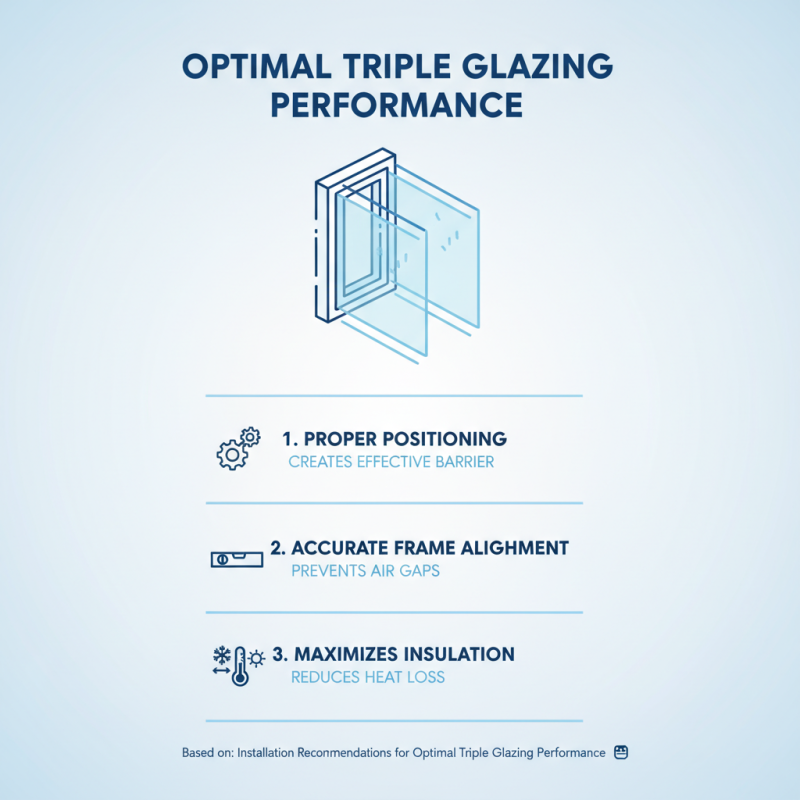
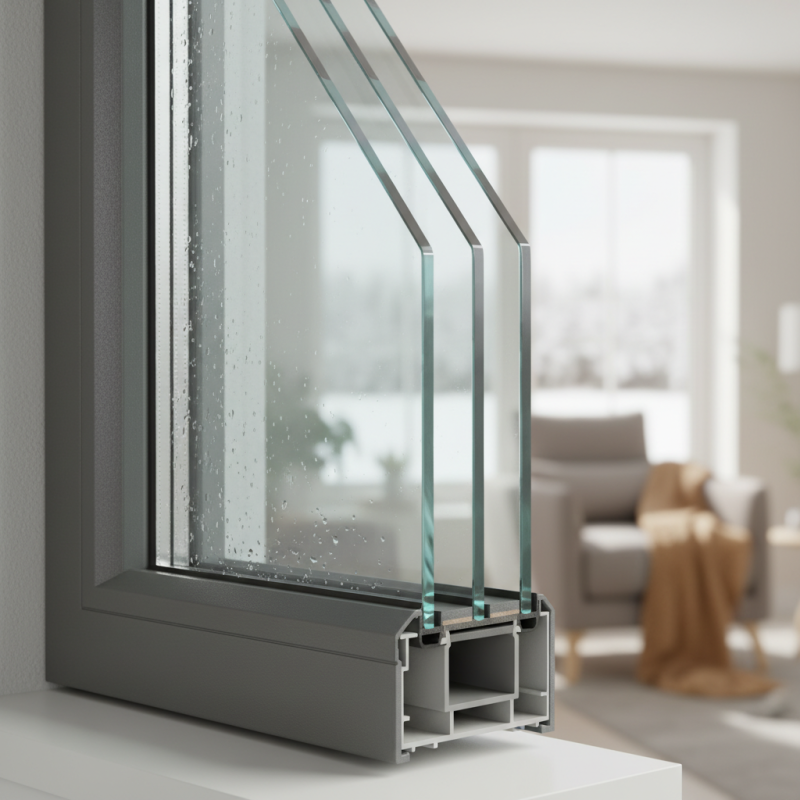
Triple glazing is becoming a popular choice for homeowners seeking improved insulation. This type of window features three panes of glass separated by insulating gases, which significantly enhance thermal efficiency. Unlike standard double glazing, triple glazing provides superior resistance to heat loss, making it an attractive option for colder climates. The gap between the panes creates additional barriers against drafts, ensuring a more stable indoor temperature throughout the year.
In terms of energy savings, triple glazing can lead to lower heating bills. A well-insulated home not only improves comfort but also reduces environmental impact. However, potential buyers should consider factors like installation costs and frame types. Some homeowners report challenges regarding weight and required structural support. Choosing the right type of glazing and installation team is crucial for optimal performance. Each home is different, and what works for one might need adjustments for another. Understanding these nuances can be key to a successful upgrade to triple glazing.
Key Factors to Consider When Selecting Triple Glazing Units
When selecting triple glazing units, it’s crucial to consider several key factors. One primary aspect is the U-value, which measures thermal insulation efficiency. A lower U-value indicates better insulation. According to a report by the National Fenestration Rating Council, triple glazing typically achieves U-values as low as 0.8 W/m²K. This improves energy efficiency significantly compared to double glazing, leading to reduced heating costs.
Another critical factor is gas fill between the panes. Common gases include argon or krypton, which enhance insulation. Argon is more cost-effective but offers less thermal resistance than krypton. Industry research shows that krypton can improve insulation performance by up to 30%. Additionally, consider the frame material. A well-insulated frame minimizes heat transfer and ensures optimal performance. Materials like PVC and fiberglass provide good thermal performance.
Cost is also a consideration. Triple glazing can be more expensive upfront. However, the long-term savings on energy bills often offset these initial costs. Homeowners should weigh these factors carefully. It’s essential to consult with experts to make informed decisions. Balancing costs, performance, and specifications can be challenging but necessary for effective insulation solutions.
Comparing Triple Glazing with Double Glazing for Insulation Efficiency
When considering insulation options, triple glazing offers notable advantages over double glazing. Triple glazing features three layers of glass, which significantly reduces heat loss. This means your home will stay warmer in winter and cooler in summer. Research indicates that the efficiency of triple glazed windows is often 30% better than their double glazed counterparts. Such insulation helps cut energy bills and creates a more comfortable living environment.
The effectiveness of triple glazing lies in its construction. The gaps between the glass panes are filled with gases like argon or krypton. These gases provide enhanced thermal resistance compared to air alone. However, it’s essential to recognize that not all triple glazing is created equal. Prices can vary widely based on quality and installation, and the extra cost may not always translate into tangible benefits depending on your climate.
Choosing between double and triple glazing should be based on your specific needs. Evaluate your local climate and energy costs. For some, double glazing may suffice, especially in milder regions. Ensure you consult with professionals to assess what works best for your home. The decision might feel overwhelming, but understanding the differences will guide you toward the right choice.
How to Choose Triple Glazing for Better Insulation? - Comparing Triple Glazing with Double Glazing for Insulation Efficiency
| Feature |
Triple Glazing |
Double Glazing |
| Insulation Value (U-value) |
0.6 - 0.8 W/m²K |
1.2 - 1.4 W/m²K |
| Energy Cost Savings |
Up to 20% more efficient |
Standard efficiency |
| Weight |
Heavier (approx. 20% more) |
Lighter |
| Noise Reduction |
Excellent, higher comfort |
Good |
| Price Range |
Higher initial investment |
Moderate price |
| Durability |
Higher lifespan (over 30 years) |
Standard lifespan (15 - 20 years) |
Evaluating Frame Materials and Their Impact on Insulation
When choosing triple glazing, the frame material significantly influences insulation performance. Different materials provide varying levels of thermal efficiency. For instance, uPVC frames offer a strong balance of cost and insulation. These frames trap air pockets that reduce heat transfer. Aluminum frames, while sleek, often struggle with thermal efficiency unless modified. They can conduct heat, allowing energy loss.
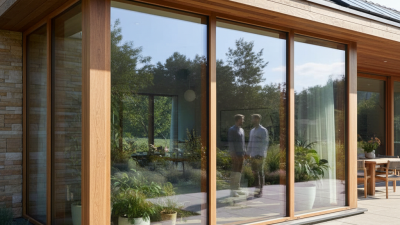
Wood frames present an eco-friendly yet complex option. They naturally insulate but require maintenance to prevent warping. Many overlook these aspects, focusing solely on glass. Each frame material has strengths and weaknesses that impact overall insulation.
Selecting the right frame means considering long-term performance and aesthetics. It’s crucial to assess local climate impacts on your choice. A frame that performs well in one area may not suit another. This complexity makes understanding insulation needs essential for every homeowner. Ultimately, think critically about how frame material aligns with your specific requirements.
Impact of Frame Materials on Triple Glazing Insulation Performance
This bar chart illustrates the thermal conductivity of different frame materials used in triple glazing. Lower values indicate better insulation properties, making materials like wood and composite favorable for energy efficiency.