Why Choose Triple Glazing for Energy Efficiency Benefits?
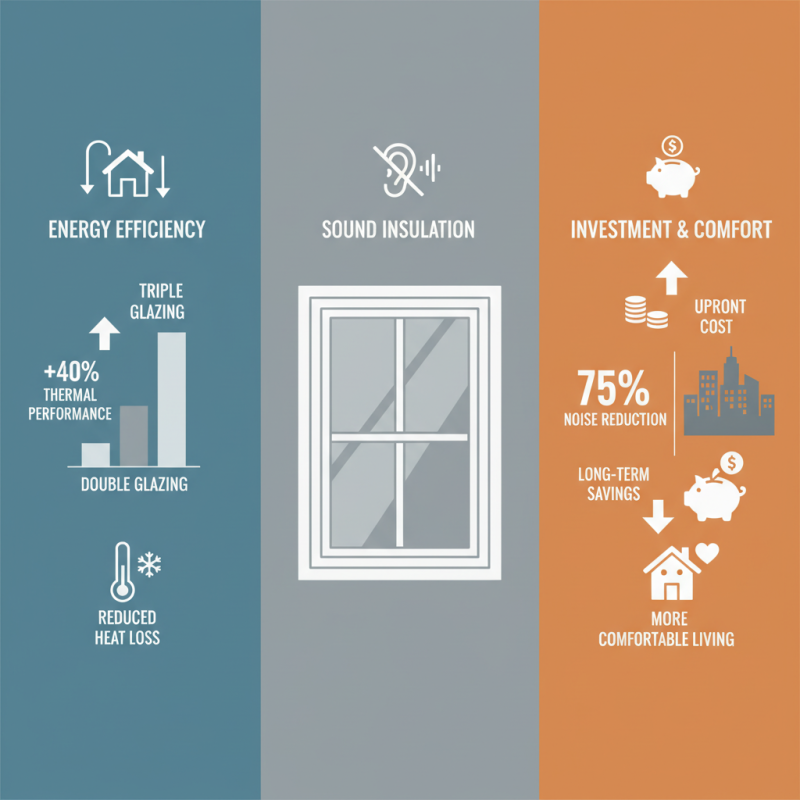
In the quest for energy efficiency, triple glazing has emerged as a frontrunner. Studies show that windows account for up to 30% of a building’s heat loss. By incorporating triple glazing, homeowners can significantly reduce this loss. With an additional pane of glass, triple glazing enhances insulation. According to the Energy Saving Trust, homes fitted with triple-glazed windows can achieve up to 40% greater thermal performance compared to traditional double glazing.
Triple glazing not only offers improved energy efficiency but also provides better sound insulation. Noise pollution can greatly affect quality of life. Homes equipped with triple glazing report up to 75% noise reduction. This is particularly beneficial in urban settings. However, the initial costs of triple glazing can be a concern. Homeowners often weigh long-term benefits against upfront investments.
Despite these considerations, the overall reliability of triple glazing is supported by industry experts. The benefits in energy savings and comfort make it a valuable option. When evaluating windows for energy efficiency, it’s essential to consider triple glazing as a serious contender. This choice could lead to significant long-term savings and a more comfortable living environment.
The Science Behind Triple Glazing: Understanding Heat Transfer Principles
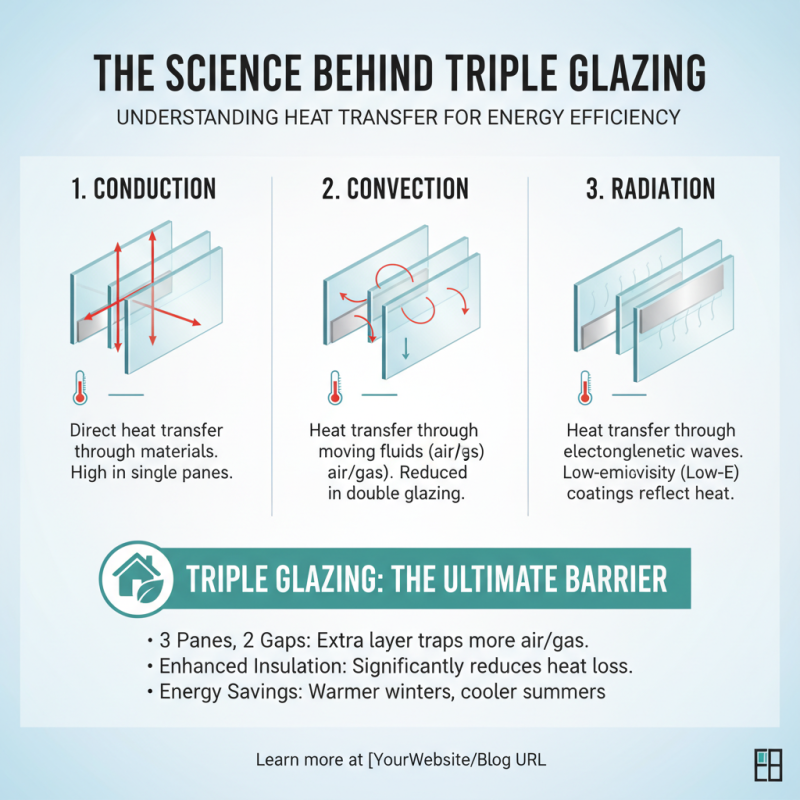
Triple glazing has gained attention for its impressive energy efficiency. The science behind this technology largely revolves around heat transfer principles. In traditional double glazing, heat moves through the air or gas trapped between the panes. This can lead to substantial heat loss during colder months. Triple glazing offers an additional layer, creating a barrier that reduces this loss.
Studies show that triple glazing can improve energy efficiency by up to 40% compared to double glazing. According to the National Fenestration Rating Council (NFRC), windows with triple glazing have lower U-values, indicating better thermal performance. The additional pane minimizes convective heat transfer, ensuring that homes stay warmer without excessive energy usage.
Despite these benefits, some consumers hesitate to invest in triple glazing. The initial cost is higher than double glazing. Homeowners must weigh this against long-term savings on energy bills. It’s important to consider local climate conditions, as benefits vary. In regions with milder temperatures, the return on investment may take longer. A thorough analysis of energy needs is essential for making an informed decision.
Comparative Analysis of Energy Efficiency: Triple vs. Double Glazing
When choosing between triple and double glazing, energy efficiency stands out. Triple glazing often outperforms its double counterpart, thanks to its additional pane of glass. This extra layer traps more heat and minimizes energy loss. Data from the Glass and Glazing Federation indicates that triple glazing can reduce heat loss by up to 30% compared to double glazing.
Moreover, U-values provide a clear measure of thermal performance. Generally, triple glazing boasts a U-value as low as 0.6 W/m²K, while double glazing holds around 1.2 W/m²K. This significant difference highlights the advantages of triple glazing in colder climates. Consumers might question the higher upfront cost. Yet, the long-term savings on energy bills can outweigh initial investments. Furthermore, triple glazing contributes to better indoor comfort levels and may enhance property value.
Despite these benefits, some factors warrant consideration. Not all homes can accommodate the weight of triple glazing units. Installation complexities may arise, requiring skilled professionals. Soundproofing also varies, with triple glazing generally performing better but not always achieving perfect results. While the benefits are considerable, it's important to reflect on individual circumstances before making a decision.
Why Choose Triple Glazing for Energy Efficiency Benefits? - Comparative Analysis of Energy Efficiency: Triple vs. Double Glazing
| Feature |
Triple Glazing |
Double Glazing |
| U-Value (W/m²K) |
0.6 - 0.9 |
1.1 - 1.4 |
| Sound Insulation (dB) |
35 - 45 |
30 - 40 |
| Solar Heat Gain Coefficient (SHGC) |
0.45 - 0.70 |
0.60 - 0.80 |
| Energy Savings (% over Double Glazing) |
20 - 30% |
N/A |
| Cost Efficiency (per unit area) |
Higher Initial Cost |
Lower Initial Cost |
| Life Expectancy (Years) |
30 - 40 |
15 - 25 |
Real-World Energy Savings: Cost-Benefit Analysis of Triple Glazed Windows
Triple glazed windows offer significant energy efficiency benefits, particularly in terms of real-world energy savings. According to the Department of Energy, homes that replace standard double glazing with triple glazing can see energy bills drop by up to 30%. This reduction translates to hundreds of dollars annually, depending on local energy prices and climate conditions.
The performance of triple glazing comes from its unique structure. It incorporates three panes of glass separated by insulating gas layers. These layers significantly reduce heat transfer. The British Fenestration Rating Council reported that triple glazed windows can achieve ratings upwards of A+++. This means they can keep homes warmer in winter and cooler in summer, enhancing comfort and reducing reliance on heating and cooling systems.
However, the initial investment for triple glazing can be considerable. Homeowners may hesitate due to the higher upfront costs. A typical upgrade can cost about 10-15% more than double glazing. Even so, many experts argue that the long-term savings outweigh these costs. Over time, the energy savings combined with potential increased property value create a compelling case for triple glazing. Despite these advantages, homeowners should evaluate their unique circumstances and energy needs before deciding.
Energy Efficiency Benefits of Triple Glazing
Impact on Comfort and Noise Reduction: Benefits of Enhanced Insulation
Triple glazing has emerged as a game changer for enhanced insulation, impacting both comfort and noise reduction significantly. Research highlights that triple-glazed windows can reduce noise transmission by as much as 50%. This is particularly beneficial in urban environments where external sounds can disrupt daily life. Enhanced sound insulation leads to a reduction in stress levels, fostering a more peaceful living space.
In terms of energy efficiency, data from energy studies suggests that triple glazing can reduce heating costs by up to 30% compared to double glazing. This efficiency can translate into significant savings on utility bills over time. With the rising cost of energy, this aspect cannot be overlooked. Homeowners report higher comfort levels during extreme weather due to superior insulation.
However, it's essential to consider the potential downsides. While the initial investment for triple glazing is higher, long-term benefits typically outweigh costs. Not every home may require this level of insulation; a thorough assessment is necessary. Balancing energy efficiency with budget constraints is vital for homeowners contemplating upgrades.
Environmental Implications: Reducing Carbon Footprint with Triple Glazing
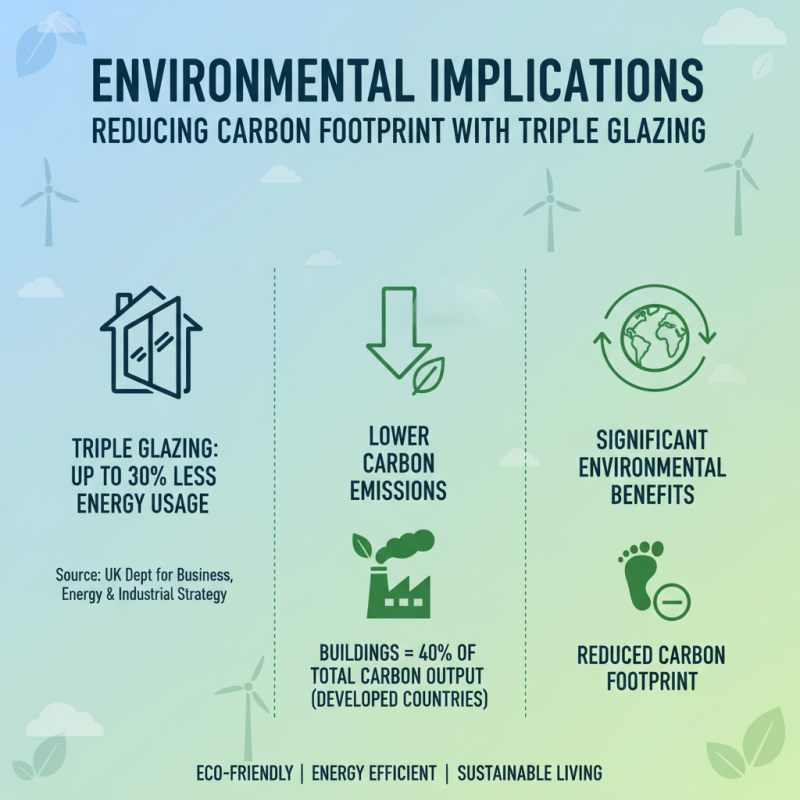
Triple glazing offers significant environmental benefits, particularly in reducing our carbon footprint. According to the UK Department for Business, Energy & Industrial Strategy, replacing single glazing with triple glazing can cut energy usage by up to 30%. This reduction directly contributes to lower carbon emissions, as buildings account for around 40% of total carbon output in many developed countries.
Moreover, triple glazing enhances thermal insulation. With an average U-value of just 0.6 W/m²K, these windows minimize heat loss more effectively than traditional options. This efficiency translates into reduced reliance on heating systems, which often rely on fossil fuels. Homeowners can expect noticeable savings on energy bills. However, the initial investment in triple glazing can be steep. The more environmentally conscious choice may come with financial challenges.
Despite these considerations, the long-term returns are substantial. The Energy Saving Trust states that homes with triple-glazed windows can save as much as £330 annually on energy costs. Yet, some homeowners remain unaware of the full potential. Ongoing education about the benefits is critical. Ignoring options for energy efficiency, like triple glazing, may compromise both environmental and financial savings in the long run.