How to Choose the Best Double Glazed Glass for Your Project?
Choosing the best double glazed glass for your project is crucial. It impacts energy efficiency, comfort, and noise reduction. Many people overlook these factors, leading to poor choices. The right type of double glazed glass can significantly enhance a building's performance.
When selecting double glazed glass, consider the specific needs of your project. Different climates and building styles may require distinct solutions. Not all glass types offer the same thermal insulation or soundproofing qualities. Inadequate research might lead to regrets later, such as increased energy bills or discomfort.
Understanding the various options available is essential. Low-emissivity coatings, gas fills, and frame types all play a significant role. Ensure you consult with experts in the field. They can provide insights specific to your situation. Proper guidance helps you make informed decisions. You want to balance cost, durability, and aesthetic appeal in your final choice of double glazed glass.
Understanding Double Glazing: Key Features and Benefits
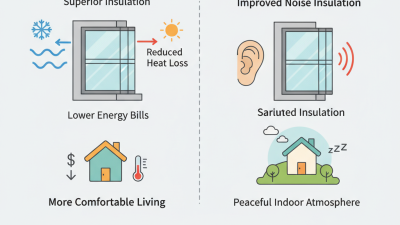
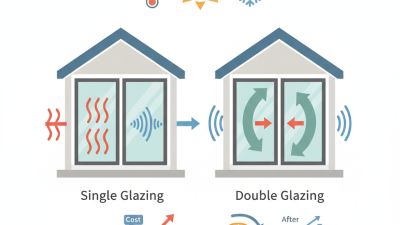
Double glazing is a popular choice for many building projects. It offers significant benefits, primarily improved insulation and energy efficiency. By trapping a layer of air between two sheets of glass, double glazed windows reduce heat loss. This helps maintain a comfortable indoor temperature throughout the year.
Beyond insulation, double glazing enhances noise reduction. It minimizes the sounds from outside, creating a quieter environment. However, not all double glazed units are made equal. Consider factors like frame material and thickness of the glass. These elements impact performance and aesthetics.
While double glazing has many advantages, there are potential downsides. For example, installation can be expensive. Additionally, if not properly sealed, moisture may enter the gap between the panes. Regular maintenance is essential to ensure longevity. It’s crucial to evaluate your needs before making a decision.
Types of Double Glazed Glass: Comparing Options for Your Needs
Choosing the right type of double glazed glass is essential for any construction project. Different options are available based on energy efficiency, sound insulation, and structural durability. According to the Glass and Glazing Federation, properly selected double glazing can reduce heat loss by up to 60%. This statistic highlights the importance of making an informed choice.
There are primarily three types of double glazed glass: standard, low-emissivity (low-E), and laminated glass. Standard double glazing is a cost-effective option but has limited thermal performance. Low-E glass includes a special coating to reflect heat, improving energy efficiency. Reports suggest that low-E glass can decrease energy bills by up to 30%. Laminated glass, while more expensive, provides superior sound insulation and safety features, making it ideal for urban areas.
When comparing options, consider your location, budget, and specific needs. The impact of weather on insulation varies significantly across regions. Not every type of glass is suitable for all climates. Often, individuals overlook the long-term benefits of investing in higher-quality double glazing. Making a choice solely based on initial costs can lead to increased energy expenses later. Ensuring that you assess both short-term savings and long-term investments is crucial.
Factors to Consider When Choosing Double Glazed Glass
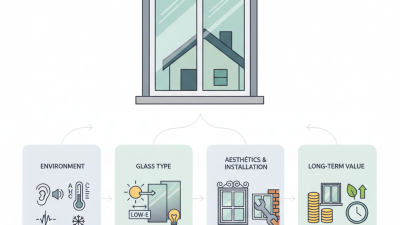
Choosing double glazed glass for your project involves careful consideration of several factors. One key aspect is the thermal performance of the glass. Look for a glass type with a low U-value. This signifies better insulation, keeping your space comfortable year-round. Additionally, consider the spacer bars used in the glazing unit. They play a crucial role in maintaining the effectiveness of the insulation. The right spacers can reduce condensation and improve energy efficiency.
Another important factor is the sound insulation properties. If the project is in a noisy area, sound reduction features in the glass could be essential. Some double glazed units provide specific acoustic ratings. It's beneficial to understand these ratings to choose the best option for your needs. Reflect on the local climate as well. In colder regions, low-emissivity (low-e) coatings can enhance heat retention. Warmer climates might require glass that reflects sunlight, reducing interior heat gain.
The aesthetic appeal is also significant. Different finishes and tints can enhance the visual aspect of your project. However, keep in mind that changing aesthetics might impact energy efficiency. Balancing between looks and performance can be tricky. Reflect on what matters most for your unique project. Ultimately, the right double glazed glass should align with your project’s requirements and personal preferences.
Energy Efficiency Ratings: Importance and Impact on Your Project
When selecting double glazed glass for your project, energy efficiency ratings should be at the forefront of your decision. These ratings indicate how well the glass can insulate your space. A higher rating often means better insulation, leading to reduced energy consumption. This can significantly impact heating and cooling costs over time.
Understanding the performance of the glazing is essential. Look for U-values, which measure thermal transmittance. A lower U-value indicates better insulation. Solar heat gain coefficients also matter; they show how much sunlight the glass allows in. Each project may require a different balance of these factors, based on climate and building design.
However, not all double glazed options are equal. Some might boast high ratings yet fail in real-world conditions. It's crucial to verify a manufacturer's claims with evidence. Sometimes, energy efficiency can lead to over-reliance on artificial heating or cooling, which could work against overall sustainability goals. These reflections can help guide your choices wisely.
Installation and Maintenance Tips for Double Glazed Glass Systems
Double glazed glass systems are highly efficient in reducing heat loss and improving insulation. However, proper installation is crucial for maximizing their benefits. A poorly sealed unit can lead to moisture accumulation, reducing lifespan and energy efficiency. The Glass and Glazing Federation reports that up to 30% of heat loss can occur through windows. Therefore, selecting a qualified installer is paramount.
Routine maintenance is also essential for double glazed glass longevity. Cleaning the frames and seals helps maintain their integrity. It’s advisable to inspect your windows regularly for signs of wear or gaps. According to the National Fenestration Rating Council, a well-maintained double glazing system can last over 20 years. But neglect can lead to costly repairs or replacements.
Consideration of local climate is important. In colder regions, energy efficiency creates significant savings. On the other hand, in milder climates, standard single glazing might suffice. Each project is unique and requires careful planning. Custom solutions often yield the best results. Reflect on your specific needs before making a decision. This foresight can enhance both performance and satisfaction.