2025 How to Choose the Best Residential Windows for Energy Efficiency
When it comes to enhancing energy efficiency in homes, one of the most critical decisions homeowners face is selecting the right residential windows. According to the U.S. Department of Energy, windows can account for up to 30% of a home’s heating and cooling energy use. The impact of choosing energy-efficient residential windows not only contributes to a reduced carbon footprint but also translates into significant cost savings on utility bills. Recent studies reveal that energy-efficient window technologies, such as Low-E coatings and triple glazing, can reduce energy consumption by 10-30% compared to traditional options.
Furthermore, the National Renewable Energy Laboratory (NREL) emphasizes that investing in high-performance residential windows can yield a return on investment through lower energy costs and increased home comfort. As energy prices continue to rise, understanding the importance of selecting the right residential windows has never been more vital. This guide aims to provide insights into the various features and innovations available in the market, enabling homeowners to make informed decisions aligned with both their budget and sustainability goals. In a world increasingly focused on energy conservation, the choice of residential windows stands out as a key factor in creating a more energy-efficient home.
Understanding Energy Efficiency in Residential Windows
Understanding energy efficiency in residential windows is crucial for homeowners looking to reduce energy costs and enhance comfort. According to the U.S. Department of Energy, up to 30% of a home's heating and cooling energy is lost through inefficient windows. To combat this, selecting windows with appropriate energy ratings is essential. The National Fenestration Rating Council (NFRC) provides standardized ratings to help consumers compare the performance of different window products. Look for windows with low U-factors, which measure insulating effectiveness, and low Solar Heat Gain Coefficients (SHGC) to minimize unwanted heat gain during the summer.
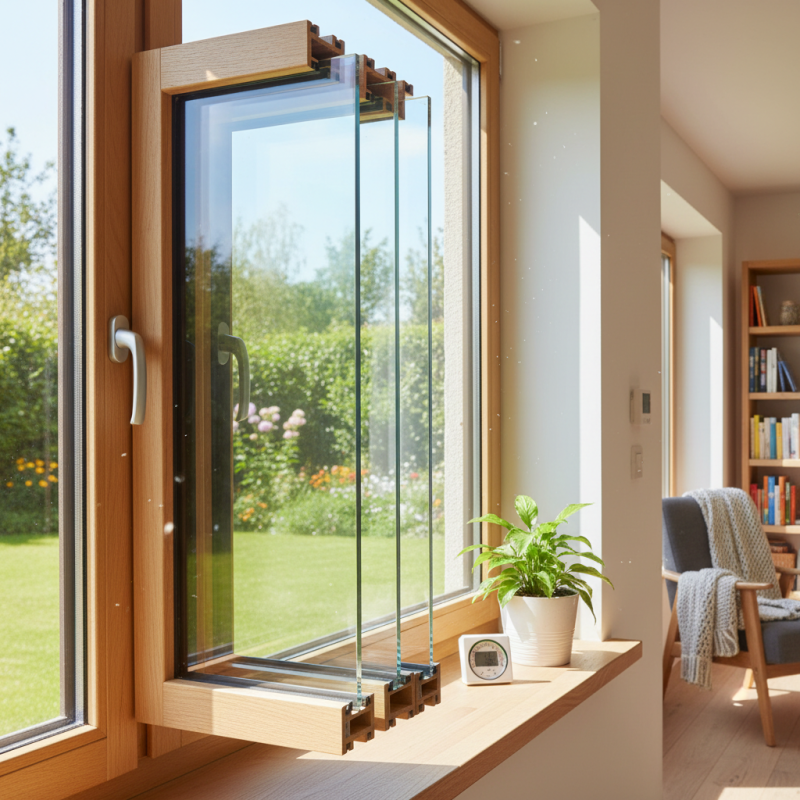
When choosing windows, consider the material as well. Options like vinyl and wood-clad vinyl tend to have better thermal performance than traditional aluminum frames, which can transfer heat. Additionally, the glass used can significantly influence energy efficiency; double or triple glazing filled with inert gases like argon or krypton offers improved insulation. Proper installation is equally important, as poorly sealed windows can negate energy-saving benefits.
Tips:
- Investigate tax credits or rebates from local energy programs when upgrading your windows, as these financial incentives can significantly lower installation costs.
- Always check for the ENERGY STAR label, as it signifies that the window meets energy efficiency guidelines set by the EPA and the U.S. Department of Energy.
2025 How to Choose the Best Residential Windows for Energy Efficiency
| Window Type |
Material |
U-Value (W/m²K) |
Solar Heat Gain Coefficient (SHGC) |
Visible Transmittance (VT) |
Air Leakage (cfm/ft²) |
| Double-Hung |
Vinyl |
0.30 |
0.25 |
0.60 |
0.08 |
| Casement |
Fiberglass |
0.25 |
0.22 |
0.65 |
0.05 |
| Sliding |
Aluminum |
0.32 |
0.30 |
0.57 |
0.10 |
| Awning |
Wood |
0.28 |
0.24 |
0.62 |
0.04 |
| Picture |
Vinyl |
0.22 |
0.19 |
0.70 |
0.03 |
Types of Residential Windows: Pros and Cons for Efficiency
When selecting residential windows to maximize energy efficiency, it's essential to understand the various types available, each with its own unique pros and cons. For instance, double-pane windows are a popular choice due to their excellent insulation capabilities. They trap air between two glass panes, reducing heat loss in winter and keeping interiors cool during summer. However, they can be heavier and more expensive than single-pane windows, which are lighter and more affordable but offer significantly lower energy efficiency.
Another option to consider is triple-pane windows. These windows provide even better insulation than double-pane alternatives, making them ideal for extreme climates. However, the additional layer of glass means increased costs and weight, which may not be necessary for milder regions. On the other hand, casement windows are known for their tight seals and can be very energy-efficient, but they require more maintenance due to their opening mechanism.
Tips: When choosing windows for energy efficiency, always look for Energy Star labels, and consider the window's U-factor and Solar Heat Gain Coefficient (SHGC) to understand how well it will perform in your specific environment. Additionally, exploring window frames made from materials with good insulation properties, such as fiberglass or vinyl, can further enhance energy savings. Investing in energy-efficient windows not only improves comfort but can also lead to significant cost savings on utility bills over time.
Key Features to Look for in Energy-Efficient Windows
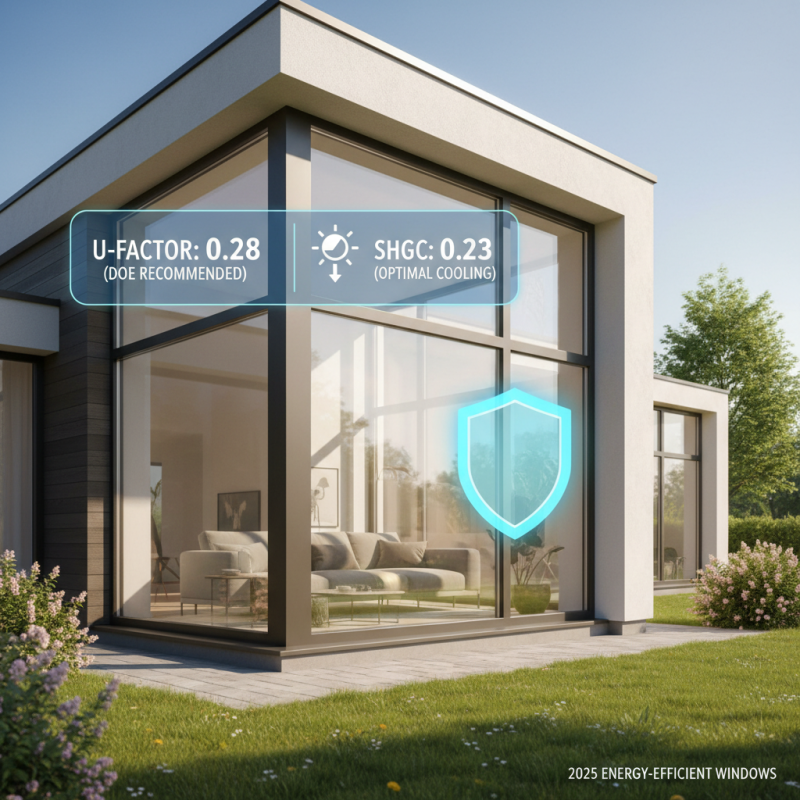
When selecting residential windows for optimal energy efficiency in 2025, there are several key features to consider. One of the most significant elements is the window's U-factor, which measures the rate of heat transfer. A lower U-factor indicates better insulating properties, with the Department of Energy recommending a U-factor of 0.30 or lower for optimal energy savings. Additionally, the Solar Heat Gain Coefficient (SHGC) is crucial; it evaluates how much solar radiation is admitted through the window. An SHGC of 0.25 or lower is ideal for those seeking to minimize cooling costs during warmer months.
Another critical feature is the glazing type used in the windows. Double or triple-pane windows are far superior to single-pane options; they can reduce energy loss by up to 50% when properly installed. Utilizing low-emissivity (Low-E) glass can help in reflecting heat back into the home during winter and keeping it out during summer, thus enhancing overall energy efficiency.
Tips: When evaluating windows, examine the Energy Star labels to ensure compliance with energy efficiency standards. Additionally, consider the frame material; vinyl frames generally provide better insulation compared to aluminum. Lastly, ensure proper installation as even the highest quality windows can underperform if not correctly fitted.
The Importance of Window Installation for Performance
The effectiveness of residential windows in enhancing energy efficiency is significantly influenced by the quality of installation. Proper window installation ensures that there are no gaps or cracks that could lead to air leakage, which can drastically reduce a home's energy performance.
Even the most advanced, energy-efficient windows can fail to achieve their intended benefits if they are not installed correctly. During the installation process, it's crucial to consider factors such as insulation, sealing, and alignment to create a tight fit that prevents unwanted drafts and heat loss.
In addition to preventing energy loss, the quality of the installation process directly impacts the windows' durability and longevity. Poor installation can lead to a myriad of issues, including water leaks, condensation between panes, and damage to the window frame. This not only affects performance but can also result in costly repairs down the line.
Homeowners should prioritize hiring skilled professionals who understand the nuances of window installation and are knowledgeable about best practices for maximizing energy efficiency. By focusing on precision during installation, homeowners can significantly enhance the overall performance of their windows and enjoy the long-term benefits of reduced energy consumption.
Cost Considerations and Long-Term Savings of Energy-Efficient Windows
When considering energy-efficient windows for residential properties, cost is a primary factor that homeowners should account for. Initially, the price of these windows can be higher than standard options. However, it’s essential to view this investment not merely through the lens of upfront costs but also in terms of long-term savings. Energy-efficient windows are designed to reduce heat loss in the winter and minimize heat gain during the summer, leading to decreased reliance on heating and cooling systems. This reduction in energy use translates directly into lower utility bills over time.
Moreover, energy-efficient windows can significantly enhance the comfort of a home. By maintaining consistent indoor temperatures, they help create a more pleasant living environment, which may reduce the need for additional heating or air conditioning. When evaluating the financial aspects, homeowners should also consider potential tax credits or rebates that can alleviate some of the initial installation costs.
Additionally, energy-efficient windows can boost property value, making them a wise economic choice for those planning to stay in their homes for years. Ultimately, while the upfront investment may be considerable, the long-term savings on energy bills and increased home comfort provide compelling reasons to choose energy-efficient windows.