How to Choose the Best Vinyl Windows for Your Home Renovation
When it comes to home renovation, choosing the right windows can significantly impact both the aesthetic appeal and energy efficiency of your home. Vinyl windows have gained tremendous popularity over the past decade, accounting for approximately 70% of the residential window market, according to the American Architectural Manufacturers Association. This surge can be attributed to their durability, low maintenance requirements, and energy efficiency, making them a preferred option for homeowners looking to enhance their property value.
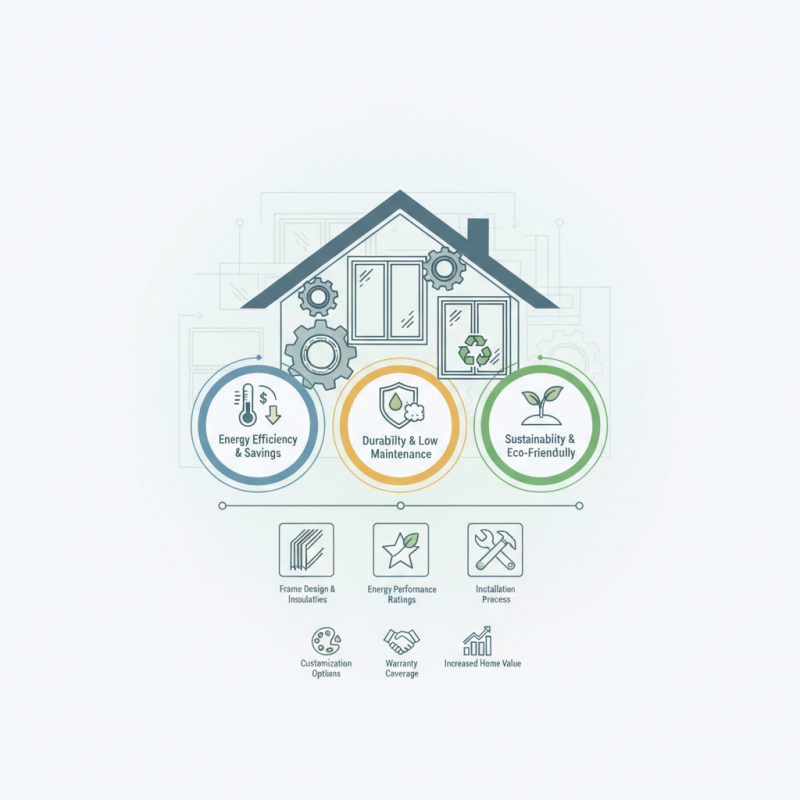
The selection of vinyl windows involves several critical considerations, including frame design, energy performance ratings, and the installation process. The U.S. Department of Energy highlights that energy-efficient windows, such as vinyl alternatives, can reduce energy bills by an average of 12% to 30%. As homeowners increasingly prioritize sustainability and cost-effectiveness in their renovation projects, understanding the unique features of vinyl windows becomes essential. By examining factors such as insulation properties, customization options, and warranty coverage, homeowners can make informed decisions that not only improve their home's appearance but also contribute to long-term savings and comfort.
Factors to Consider When Selecting Vinyl Windows for Your Renovation
When selecting vinyl windows for your home renovation, several critical factors come into play that can impact both aesthetics and functionality. First, consider the energy efficiency of the windows. Look for options with a low U-factor and high R-value, as these will help insulate your home and reduce heating and cooling costs. Additionally, energy-efficient windows may qualify for tax credits or rebates, providing substantial long-term savings.
Another essential factor is the style and design of the windows. Vinyl windows come in various styles, including single-hung, double-hung, casement, and sliding. It's important to choose a style that complements your home's architectural design. Customization options, such as color and grid patterns, can also enhance the curb appeal, allowing you to match the windows to your home's existing aesthetic.
Durability and maintenance are also pivotal when choosing vinyl windows. Opt for windows that are resistant to fading, warping, and cracking, ensuring they will stand the test of time, especially in harsh weather conditions. Additionally, consider the ease of maintenance; vinyl windows are known for their low upkeep requirements compared to other materials. Select a product with a warranty that reflects the manufacturer's confidence in their durability, offering you peace of mind for years to come.
How to Choose the Best Vinyl Windows for Your Home Renovation
| Feature |
Importance |
Description |
| Energy Efficiency |
High |
Look for windows with a low U-factor and high R-value to ensure energy savings. |
| Frame Thickness |
Medium |
Thicker frames generally provide better insulation and durability. |
| Installation Type |
High |
Consider whether you'll need a full-frame replacement or if insert windows will suffice. |
| Warranty |
High |
A strong warranty can protect your investment for years to come. |
| Aesthetic Appeal |
Medium |
Choose styles and colors that complement your home’s design. |
| Maintenance Requirements |
Medium |
Vinyl windows require minimal maintenance, making them a practical choice. |
Understanding Different Types of Vinyl Window Frames and Styles
When considering vinyl windows for your home renovation, it's essential to understand the different types of vinyl window frames and styles available. Vinyl windows are typically made from polyvinyl chloride (PVC), which is resistant to fading, peeling, and cracking. There are primarily three styles of vinyl windows: sliding, casement, and double-hung. Sliding windows offer a modern aesthetic and are easy to operate, while casement windows provide excellent ventilation and unobstructed views. Double-hung windows, on the other hand, have the advantage of versatile airflow and easier cleaning, as both sashes can be opened.
According to a recent report by the American Institute of Architects, vinyl windows can enhance energy efficiency, reducing heating and cooling costs by up to 30%. When selecting vinyl windows, also consider the frame's insulation properties. Look for windows with multiple chambers in the frame that provide better energy efficiency ratings, often indicated by the National Fenestration Rating Council (NFRC) certification.
**Tips:** When choosing vinyl windows, prioritize energy efficiency and look for Energy Star-rated products. Additionally, consider the color and finish of the vinyl, which can affect your home’s aesthetic and curb appeal. Lastly, ensure proper installation to maximize the lifespan and performance of your windows.
Comparative Analysis of Vinyl Window Frame Styles
Evaluating Energy Efficiency Ratings for Vinyl Windows
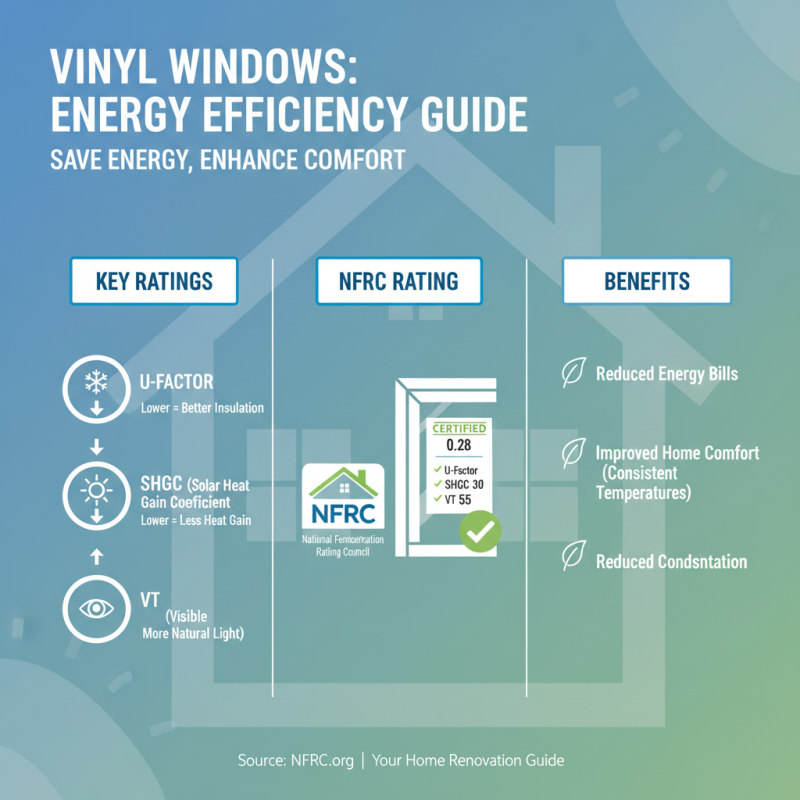
When selecting vinyl windows for your home renovation, one of the most critical factors to consider is their energy efficiency. Energy efficiency ratings, such as those provided by the National Fenestration Rating Council (NFRC), offer valuable insights into how well a window will perform in terms of heat transfer, condensation potential, and overall thermal insulation. Windows are often rated for their U-factor, Solar Heat Gain Coefficient (SHGC), and Visible Transmittance (VT). A lower U-factor indicates better insulation, which can significantly reduce heating and cooling costs, making this an essential aspect to evaluate.
According to the U.S. Department of Energy, replacing old, inefficient windows with high-quality, energy-efficient models can lead to savings of up to $465 per year on energy bills, depending on the home and location. When examining potential vinyl window options, look for products with a U-factor of 0.30 or lower and an SHGC of 0.25 to 0.40 for moderate climates. Additionally, windows that feature double or triple glazing and low-emissivity (Low-E) coatings can enhance their energy performance further by minimizing heat loss and improving comfort levels within the home. This approach not only contributes to energy savings but also enhances the overall value of the renovation project.
Choosing the Right Installation Method for Vinyl Windows
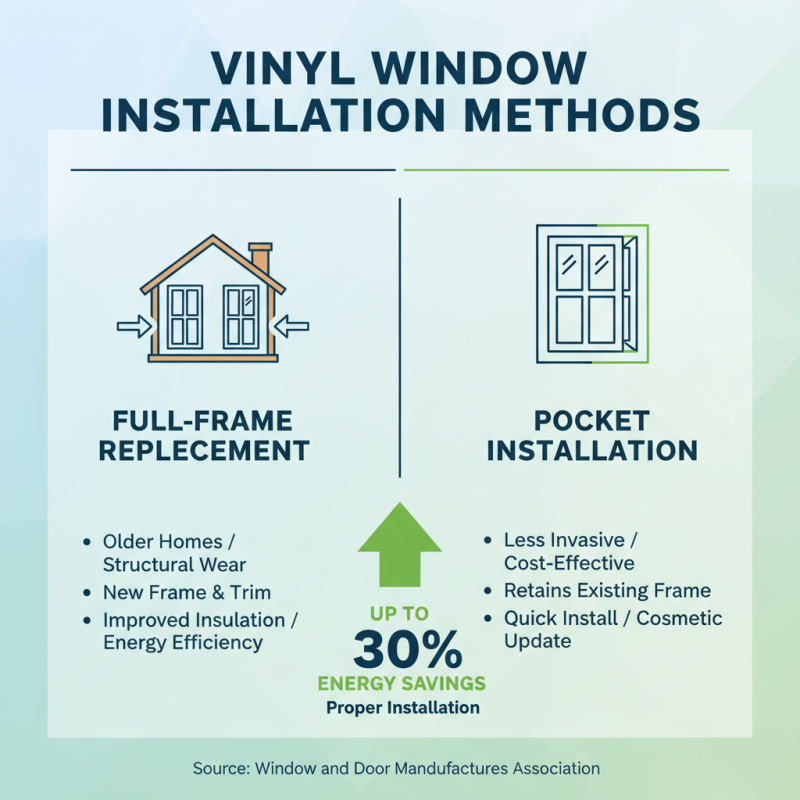
When it comes to choosing the right installation method for vinyl windows during your home renovation, understanding the various options available is crucial. According to the Window and Door Manufacturers Association, proper installation can improve energy efficiency by up to 30%. Traditionally, homeowners have the option of full-frame replacement or pocket installation. Full-frame replacement is ideal for older homes with structural wear, allowing for new frames and improved insulation, while pocket installation is less invasive and can save on costs, although it may not address underlying issues.
Selecting the appropriate installation method also depends on the region's climate and the specific conditions of your existing windows. A recent report from the Department of Energy indicates that improper installation can lead to significant energy loss, with leaks around windows contributing up to 25% of heating and cooling costs. Homeowners should consult with qualified contractors to assess which installation strategy aligns best with their renovation goals, enhancing both the aesthetic and functional aspects of their home while ensuring compliance with local building codes and energy standards.
Budgeting for Vinyl Windows: Cost Estimates and Options
When considering vinyl windows for your home renovation, budgeting is a crucial step. The cost of vinyl windows can vary significantly based on several factors, including size, style, and additional features like energy efficiency ratings or custom colors. On average, homeowners can expect to spend between $300 to $700 per window, including installation. It is important to factor in both the cost of materials and the labor associated with installation when preparing your budget.
Additionally, don’t overlook the potential long-term savings associated with energy-efficient vinyl windows. While the initial investment may be higher, energy-efficient models can lead to lower heating and cooling costs, ultimately offsetting the upfront expenditure. When mapping out your budget, consider obtaining multiple quotes from contractors to ensure you have a clear understanding of your options and to identify the best value for your investment.
This thorough approach will not only help you stay within your budget but also ensure you choose windows that enhance both the aesthetics and energy efficiency of your home.