How to Choose Double Glass Windows for Your Home?
Choosing the right double glass window for your home can enhance energy efficiency and comfort. According to industry expert John Thompson, "Quality double glass windows significantly reduce heat loss and improve sound insulation." This highlights the importance of making informed decisions.
When selecting double glass windows, consider factors like the frame material and glass type. Look for options that suit your home's aesthetic while providing durability. Many homeowners overlook the energy ratings, which are crucial for long-term savings.
Remember, not every double glass window fits all homes. It’s important to reflect on your specific needs. What works for one house may not be ideal for another. Pay attention to the details, and weigh the options carefully to ensure a choice that stands the test of time.
Understanding the Benefits of Double Glass Windows for Your Home
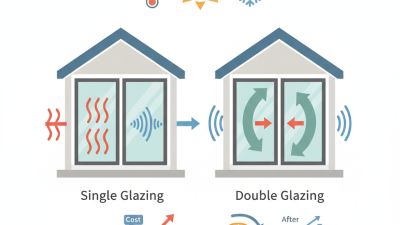
Double glass windows, also known as double glazing, offer significant advantages for homeowners. They provide excellent insulation, which helps maintain stable indoor temperatures. According to the U.S. Department of Energy, homes with double glazing can save up to 30% on energy costs. This is crucial for reducing heating and cooling expenses, especially in extreme climates. However, you must ensure a proper installation to achieve these benefits. Poorly installed windows can lead to air leaks, negating the energy efficiencies promised by double glazing.
In addition to energy savings, double glass windows enhance comfort. They reduce outdoor noise, creating a quieter indoor environment. The World Health Organization emphasizes that noise pollution can lead to various health issues, including stress and sleep disturbances. Double glazing can help mitigate these risks, providing a peaceful sanctuary at home. Yet, homeowners must weigh the initial investment against long-term benefits. Quality double glazing can be expensive, and not everyone may be ready for this upfront cost. It's essential to research and evaluate options thoroughly.
Key Factors to Consider When Choosing Double Glass Windows
When selecting double glass windows, several key factors must be taken into account. The U-value is essential. It measures the window's insulation efficiency. Lower U-values indicate better thermal insulation. The American Society of Heating, Refrigerating and Air-Conditioning Engineers (ASHRAE) suggests aiming for a U-value below 0.30 for energy-efficient homes.
Consider the type of gas used between the glass panes. Argon and krypton are common options. They provide superior insulation compared to regular air. According to a report from the National Fenestration Rating Council (NFRC), windows filled with argon can enhance energy efficiency by up to 25%. This statistic highlights the benefits of focusing on gas fill options.
Frame material plays a critical role too. Vinyl, wood, and fiberglass each offer unique advantages. Vinyl frames are cost-effective and low-maintenance, while wood provides excellent thermal performance. However, wood may require more upkeep. Prospective buyers often overlook the long-term implications of frame choices. It's wise to weigh performance against maintenance needs when making this decision. Understanding these various factors can lead to more informed, sustainable choices for your home.
Energy Efficiency Ratings of Double Glass Windows
Comparing Different Types of Double Glass Windows Available
When choosing double glass windows, understanding the types available is crucial. There are two primary categories:
sealed units and
insulated glass units (IGUs).
Sealed units consist of two panes of glass that create an airtight barrier, enhancing energy efficiency. IGUs, on the other hand, can include inert gases like argon between the panes for better insulation.
The choice between these options depends on various factors, including climate and home design. According to industry reports, properly installed double-glazed windows can reduce heat loss by up to 50%. Additionally, specific glass treatments may improve sound insulation, which can be beneficial in noisy urban environments.
Tip: Always consider the U-value of the windows. A lower U-value indicates better insulation.
When evaluating your options, it’s also important to reflect on your long-term goals. Not every type of double glass window might suit your needs. For instance, while low-emissivity (Low-E) glass provides superior energy savings, it may not fit all architectural styles. Be sure to visualize how your choice will integrate with your home’s aesthetics and functionality.
Tip: Consult with professionals to assess the best fit for your specific needs.
Evaluating Energy Efficiency Ratings for Double Glass Windows
When selecting double glass windows, energy efficiency is crucial. Ratings often indicate how well windows insulate your home. Look for labels that include U-factor and Solar Heat Gain Coefficient (SHGC). The U-factor measures heat loss, while SHGC assesses solar heat gain. A lower U-factor indicates better insulation.
Many homeowners overlook these details. Understanding energy ratings can be daunting. Yet, they significantly impact your utility bills. Choose windows that suit your climate. For colder areas, focus on low U-factors. In warmer regions, prioritize low SHGC ratings to keep your home cool.
Consider installation quality as well. Poor installation can negate any benefits from energy-efficient windows. Gaps and leaks allow air to escape, reducing effectiveness. Invest time in finding skilled professionals. This ensures your windows perform as intended, saving you money long-term. Double-check the ratings, and trust your research.
Tips for Installation and Maintenance of Double Glass Windows
When installing double glass windows, proper attention to detail is crucial for optimal performance. Begin by ensuring accurate measurements of your window frames. This is a common area where errors occur, leading to gaps or leaks. Seal any potential openings with high-quality caulk to improve energy efficiency.
During installation, consider the importance of proper alignment. Windows that are not level can lead to operational issues. Use shims to adjust positioning as needed. Secure the window firmly, but avoid overtightening screws, which may cause frame distortion.
For maintenance, regular inspections are key. Look for signs of condensation between the glass panes, which can indicate a failure in insulation. Clean the exterior with a soft cloth and a mild solution to maintain clarity. Don't rush through this process; small cracks can worsen over time if neglected. Document any significant wear or damage for future reference.