How to Choose a Hopper Window for Global Sourcing?
Choosing a hopper window for global sourcing requires more than comparing prices and catalog images. A reliable decision begins with the building’s needs, climate, installation method, and expected service life. A hopper window usually hinges at the bottom and opens inward from the top. This design supports ventilation, privacy, and controlled airflow in compact spaces.
Look closely at frame materials, glazing options, seals, drainage paths, and hinge strength. A cold climate may require insulated glass and durable weather seals. A humid coastal project may need corrosion-resistant hardware and reinforced finishes. Small details matter. Ask suppliers for technical drawings, section samples, packing specifications, and test records. Check whether the opening direction matches your installation plan. A beautiful sample can still fail if the handle is awkward or the sash conflicts with interior blinds.
Global sourcing also depends on supplier communication and quality control. Confirm tolerances, color consistency, labeling, replacement parts, and lead times in writing. Request a production sample before approving a larger order. Inspect corner joints, gasket compression, glass edges, and frame alignment. Photos help, but they cannot replace physical inspection. I have seen projects focus heavily on unit cost and overlook packaging damage, which later created installation delays. That mistake is avoidable, although not every risk can be removed. A practical sourcing plan should compare total landed cost, supplier experience, after-sales support, and product performance. The cheapest hopper window may not be the most economical choice. Reliable evidence matters more than confident promises.
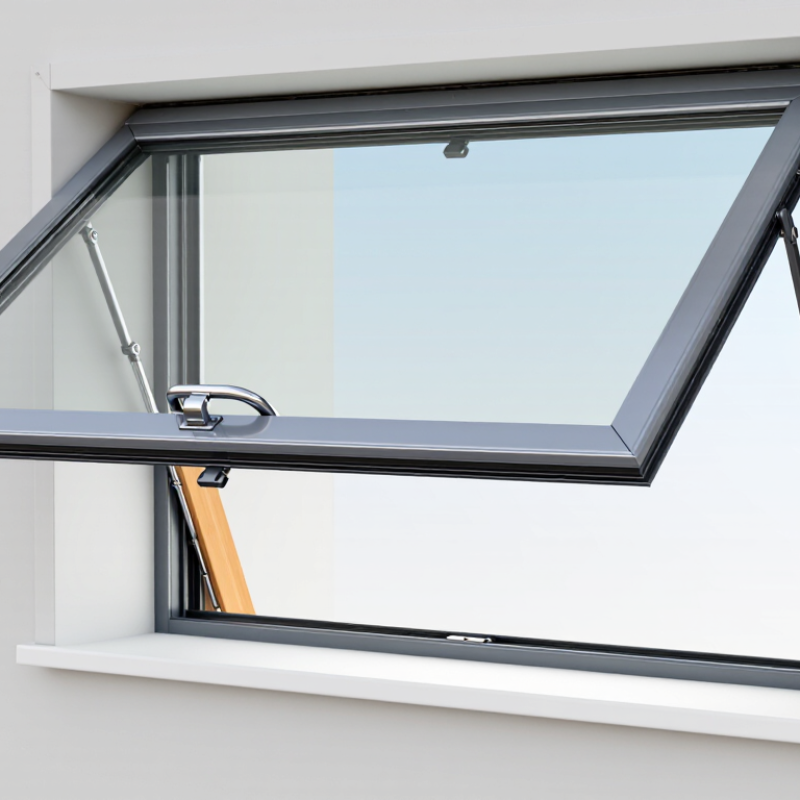
Define Hopper Window Types and Their Core Functions
How to Choose a Hopper Window for Global Sourcing?
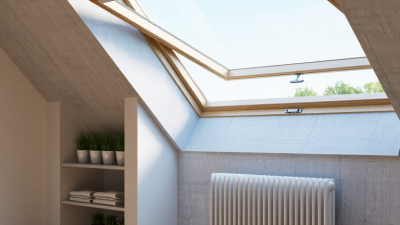
A hopper window is hinged at its bottom edge and opens inward from the top. Its basic function is controlled ventilation. It can also admit daylight into basements, utility rooms, and compact bathrooms. The sash usually tilts inward, so confirm that furniture will not block its movement. That small detail often causes installation problems.
Hopper windows generally fall into three types:
A fixed hopper resembles the same frame but does not open. It provides light and a tight weather barrier.
A single-operable model supports daily airflow through one hinged sash.
An egress-capable design has a larger clear opening for emergency exit requirements, where local rules permit it. Do not judge egress by frame size alone. Measure the actual opening after hardware is installed.
Core functions should guide sourcing decisions.
Check air leakage, water resistance, thermal performance, glass specification, hinge strength, and drainage paths.
For humid regions, inspect the sill design and corrosion resistance. For cold climates, request tested insulation values and gasket details.
Suppliers should provide drawings, material declarations, test reports, and dimensional tolerances.
Samples matter more than attractive photographs. Open and close one repeatedly. Check the handle with wet hands.
Packaging also deserves attention because damaged corners can ruin accurate installation. A practical specification is never perfect. Recheck it against the building site, shipping conditions, and installer feedback.
Assess Size, Ventilation, Glazing, and Safety Requirements
A hopper window usually opens inward from the top, so size affects airflow and safe operation. Start with the rough opening, not the product label. Record width, height, wall depth, frame material, and inward swing clearance. Start with dimensions. Small rooms may need more ventilation area than expected. An oversized sash can obstruct fixtures or escape paths. Check installation drawings before requesting quotations.
Assess ventilation through opening angle, clear vent area, and room use. A bathroom may need steady moisture removal, while a basement needs controlled airflow and drainage planning. Ask for evidence. Request tested performance data instead of vague claims. Glazing affects weight, insulation, daylight, and impact resistance. Double glazing can improve comfort, but it may increase sash weight and hardware demands. Low-emissivity or laminated glass may suit cold, noisy, or exposed locations. Confirm the choice against local specifications.
Safety details deserve direct questions. Check restrictors, secure hinges, finger protection, emergency access, and safe cleaning access. Small errors matter. Tempered or laminated glazing may be needed in vulnerable positions. Requirements vary by destination, building type, and installation height. A qualified local professional should review the final design. A sourcing checklist can still miss packaging damage and replacement hardware. Request corner protection, spare components, independently verifiable test reports, installation instructions, and defined tolerances. The lowest quotation may become costly after site adjustments, especially when the sample differs from the approved drawing.
Compare Materials, Finishes, and Long-Term Durability
When sourcing hopper windows globally, compare the frame material before comparing price. Vinyl resists moisture and usually needs little maintenance. However, low-cost vinyl may become brittle in intense sunlight or severe cold. Aluminum provides strength and slim sightlines, but it can transfer heat without a thermal break. Fiberglass remains stable during temperature changes and suits demanding climates. Timber offers warmth and repairability, yet it requires regular sealing.
Finishes affect both appearance and service life. Powder-coated aluminum should have an even surface, strong adhesion, and consistent color across production batches. Painted timber needs sealed edges, especially around the lower sash where water may collect. For vinyl, inspect the surface for pinholes, warping, and uneven gloss. A smooth finish can mislead. That assumption deserves checking.
Request material samples, coating specifications, and test records before approving a supplier. Ask how the window performs after repeated opening, closing, water exposure, and ultraviolet aging. Check the hardware separately; a durable frame cannot compensate for weak hinges or corroded fasteners. Confirm packaging details for long-distance shipping, including corner protection and moisture control. On one project, a small packaging change prevented scratched finishes, but the original inspection plan missed it. That was a useful reminder. Factory claims still need independent checks. Compare warranty terms, replacement procedures, and documented quality inspections. Choose the option that matches the building’s climate, maintenance capacity, and expected service life.
How to Choose a Hopper Window for Global Sourcing?
Comparative performance scores for common hopper-window frame materials and finishes. Higher scores indicate stronger typical performance in that category; actual results depend on design, climate, installation, and maintenance.
The scoring model uses a 1–10 scale based on commonly recognized material characteristics: corrosion resistance, dimensional stability, thermal performance, finish durability, and maintenance requirements. Powder coating and anodizing generally provide better long-term protection for metal frames, while wood requires more regular maintenance.
Verify Supplier Standards, Certifications, and Customization Options
Choosing a hopper window for global sourcing requires more than comparing prices. Start by checking the supplier’s manufacturing standards, quality procedures, and export experience. Ask for current certificates, test reports, and the issuing laboratory’s details. Verify each document independently. A PDF alone is not proof.
For hopper windows, review air leakage, water resistance, wind pressure, thermal performance, and hardware durability. Requirements may differ between coastal and inland projects. Request production photos, inspection records, and a sample with the proposed frame, glass, hinges, seals, and locking handle. I have found that small hardware changes can affect installation speed and long-term maintenance. Suppliers sometimes describe these details too generally. Ask precise questions.
Tips: Compare certificates with the destination market’s building requirements. Confirm certificate scope, test dates, and product series. Request a pre-shipment inspection before loading. Check carton protection, corner guards, labels, and replacement-part plans. Keep approved drawings and sample measurements in one controlled file.
Customization should be discussed before quotation. Confirm opening size, frame material, glazing thickness, color, insect screens, restrictors, and drainage design. Ask whether custom tooling has separate costs and lead times. A reliable supplier should provide shop drawings and a sample approval process. Do not assume a standard product can be modified without performance risks. That assumption can become expensive. Keep a written record of every change, even minor ones.
Evaluate Costs, Shipping Conditions, and After-Sales Support
How to Choose a Hopper Window for Global Sourcing?
A low factory price can hide expensive details. Compare the full landed cost, not only the unit quotation. Include tooling, packaging, inland transport, ocean or air freight, insurance, duties, and inspection fees. Request a cost sheet with identical quantities and delivery terms. A sample order also exposes overlooked charges. Check the frame thickness, glass specification, screen design, and opening hardware. These details affect both price and service life.
Shipping conditions deserve practical testing. A hopper window may arrive safely in a warehouse but fail after long exposure to humidity, vibration, or temperature changes. Ask how corners are protected and whether each unit has moisture-resistant wrapping. Review carton dimensions before booking freight. Oversized packaging can reduce loading efficiency and raise the final bill. Take photographs during loading when possible. They create useful evidence if damage appears later. Still, photographs cannot prove hidden stress inside the frame.
After-sales support should be measurable. Ask for a written response time, replacement-part process, installation guidance, and claims procedure. Confirm whether common handles, seals, screens, and hinges can be supplied separately. Test one small claim before placing a large order. The response may reveal more than a polished sales presentation. Keep inspection records, approved drawings, and batch numbers together. I would remain cautious when a supplier promises “lifetime” support without clear terms. Cheap windows are not cheap when one missing hinge delays an entire project.