How to Choose the Right Fiberglass Windows for Your Home?
Choosing the right fiberglass windows for your home can feel overwhelming. The market offers a variety of styles, colors, and features. Homeowners often struggle to balance aesthetic appeal with practical needs. Fiberglass windows are known for their durability and energy efficiency, making them a popular choice.
However, not all fiberglass windows are created equal. Some models may lack the insulation properties that others possess. It's essential to consider your local climate and the specific requirements of your home. This can impact the quality of your investment. Many buyers overlook the importance of proper installation. Even the best windows will underperform if not fitted correctly.
Take time to research brands and energy ratings. Reading reviews from other homeowners can provide valuable insights. Overall, finding the right fiberglass windows requires careful thought and attention to detail. You want a product that meets your needs and enhances your home’s value.
Understanding Fiberglass Windows: Benefits and Features
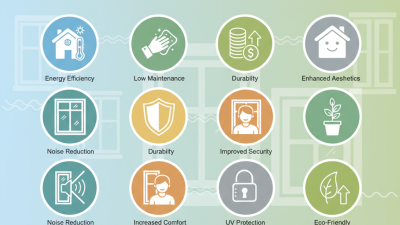
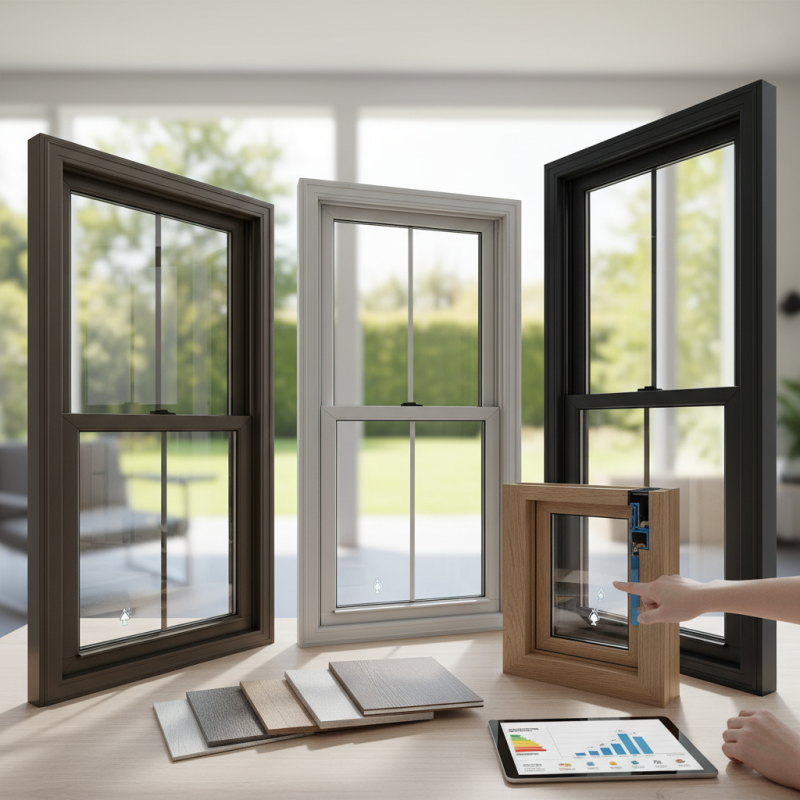
When considering fiberglass windows, it's essential to understand their unique benefits and features. Fiberglass is known for its durability. According to industry reports, fiberglass windows can last up to 40 years with proper maintenance. They resist warping and swelling, unlike traditional wood windows. This longevity can save homeowners money in the long run.
Energy efficiency is another significant feature of fiberglass windows. They have excellent insulation properties, with U-values averaging between 0.18 and 0.30. This means they can help lower heating and cooling costs. A study suggests that energy-efficient windows can reduce energy bills by about 15% annually. However, some homeowners might find that initial costs are higher compared to vinyl or wood.
Aesthetic appeal is crucial too. Fiberglass windows can be painted or stained, allowing for customization. Some may feel overwhelmed by design choices. Reliability is essential, but personal style matters too. Balancing function with beauty can be challenging. Make sure to weigh these aspects carefully before deciding.
Evaluating Energy Efficiency Ratings for Fiberglass Windows
When choosing fiberglass windows, energy efficiency is crucial. Windows with high energy ratings can significantly reduce heating and cooling costs. Look for windows that have a low U-factor. This rating indicates how well the window insulates. A lower value means better insulation.
Consider also the Solar Heat Gain Coefficient (SHGC). This measures how much heat from sunlight enters through a window. A lower SHGC is ideal for warmer climates, while a higher value may be beneficial in colder areas. Pay attention to these ratings carefully. They can directly impact your comfort and energy bills.
**Tips**: Always compare energy ratings of different products. Don't forget to check the installation requirements. Poor installation can negate efficiency benefits. Double-check all measurements. Accuracy is essential for optimal fit and performance. Keep in mind: not all fiberglass windows are created equal. Reflect on your unique needs before making a decision.
How to Choose the Right Fiberglass Windows for Your Home? - Evaluating Energy Efficiency Ratings for Fiberglass Windows
| Window Type |
Energy Efficiency Rating (U-Factor) |
Energy Efficiency Rating (Solar Heat Gain Coefficient) |
Average Cost ($) |
Best For |
| Double Glazed Fiberglass Windows |
0.30 - 0.25 |
0.25 - 0.20 |
300 - 500 |
Moderate climates |
| Triple Glazed Fiberglass Windows |
0.20 - 0.15 |
0.20 - 0.15 |
500 - 800 |
Cold climates |
| Low-E Coated Fiberglass Windows |
0.25 - 0.20 |
0.22 - 0.18 |
400 - 600 |
Warm climates |
| Standard Fiberglass Windows |
0.35 - 0.30 |
0.30 - 0.25 |
200 - 400 |
All climates |
Assessing Durability and Maintenance Requirements of Fiberglass Frames
When considering fiberglass windows, durability is a key factor. Fiberglass frames can withstand extreme weather conditions. Studies show they are 70% stronger than vinyl. This strength translates to longevity, often exceeding 50 years in residential use. Homeowners appreciate window frames that resist warping and corrosion.
Maintenance plays a crucial role in the choice. Fiberglass requires less upkeep than wood. A simple wash with soap and water suffices for cleaning. However, some might find the need for occasional painting or sealing a drawback. Approximately 25% of homeowners struggle with peeling paint or fading colors over time.
Balancing durability and maintenance is essential. Fiberglass frames need to be inspected for any cracks or seals every few years. While they are typically resistant to wear, neglect may lead to issues. Making an informed choice involves understanding these factors fully. Each homeowner's needs may vary. It’s important to consider personal circumstances and climate.
Comparing Cost Factors: Fiberglass vs. Other Window Materials
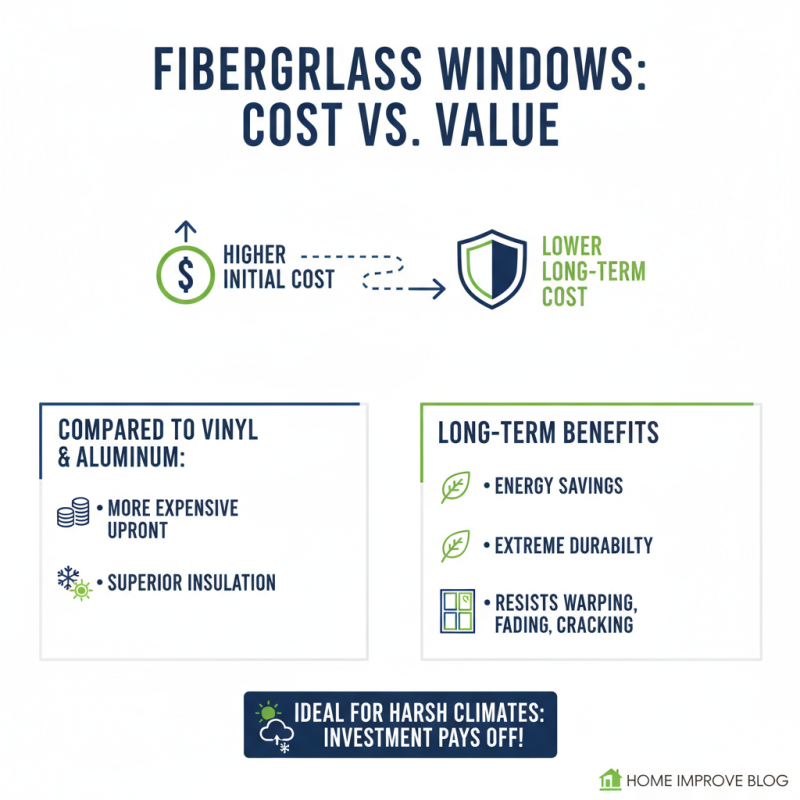
When it comes to choosing fiberglass windows, cost plays a vital role. Fiberglass is generally more expensive than vinyl and aluminum. However, it offers better insulation and durability. This means fiberglass windows can save money in the long run. They resist warping, fading, and cracking. It’s important to consider your climate. In harsh environments, the initial investment in fiberglass pays off.
Tips: Compare the long-term benefits of each material. Don’t rush your decision. Research local installation costs. Vinyl windows might seem cheaper upfront but may require more maintenance. Analyze your energy bills after installing new windows. If they drop significantly, the extra cost for fiberglass could be worth it.
Some homeowners overlook installation costs. It's crucial to factor in these expenses. The quality of installation affects performance. Poorly installed windows can lead to air leaks. Weigh the pros and cons of each material carefully. Not every project needs a high-end option like fiberglass. Reflect on your budget and needs before deciding.
Choosing the Right Manufacturer: Key Industry Certifications and Standards
Choosing the right fiberglass windows starts with understanding the importance of selecting a reputable manufacturer. Key industry certifications can guide you toward quality products. The American Architectural Manufacturers Association (AAMA) provides important standards for window performance. It is crucial to look for AAMA certification, as it ensures windows meet rigorous testing for durability and energy efficiency.
Another important certification is Energy Star. Windows with this certification reduce energy costs significantly. According to the U.S. Department of Energy, Energy Star certified products can save homeowners up to 30% on energy bills. Yet, not all certified products are created equal. Some may meet minimum standards, while others outperform their peers. Shoppers should compare performance ratings carefully.
Understanding local climate can affect your choice too. In areas with harsh winters, for instance, insulating properties are vital. Buzzwords like "low-E glass" can be misleading if not properly evaluated. Reflect on how different designs can influence your home's comfort and energy consumption. It's not just about aesthetics. It’s crucial to weigh every decision carefully.
How to Choose the Right Fiberglass Windows for Your Home