How to Choose the Best Exterior Windows in 2026?
Choosing the best exterior windows in 2026 requires more than comparing frame colors or advertised discounts. Windows influence daylight, indoor comfort, noise control, maintenance, and long-term energy costs. The U.S. Department of Energy reports that heat gain and heat loss through windows account for 25% to 30% of residential heating and cooling energy use. That figure makes window selection a building-performance decision, not merely a renovation detail.
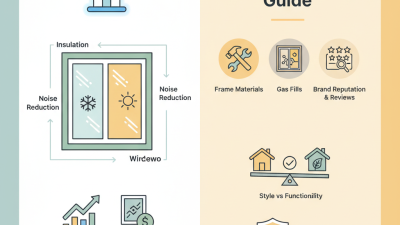
Energy performance should guide the shortlist. Look for verified U-factor, Solar Heat Gain Coefficient, visible transmittance, air-leakage ratings, and installation requirements. The National Fenestration Rating Council explains that certified labels allow more consistent comparisons between products. ENERGY STAR’s regional criteria also encourage buyers to match window performance with local climate conditions. Yet ratings are not the whole story. A high-performing unit can still fail when flashing, drainage, or air sealing is poorly installed. Small gaps matter.
As building scientist Joseph Lstiburek famously says, “A window is a hole in the wall.” It is a simple warning, perhaps too simple, but useful. The opening must manage water, air, heat, and sunlight together. For 2026 projects, homeowners should examine glazing layers, frame materials, condensation resistance, warranty terms, and installer experience. Regional weather deserves attention, especially in coastal, cold, or wildfire-prone areas. There is no universally best window. The right choice depends on climate, orientation, budget, architecture, and realistic maintenance habits. Even expert guidance has limits. Product claims should be checked against NFRC certification, manufacturer documentation, and independent energy advice before purchase.
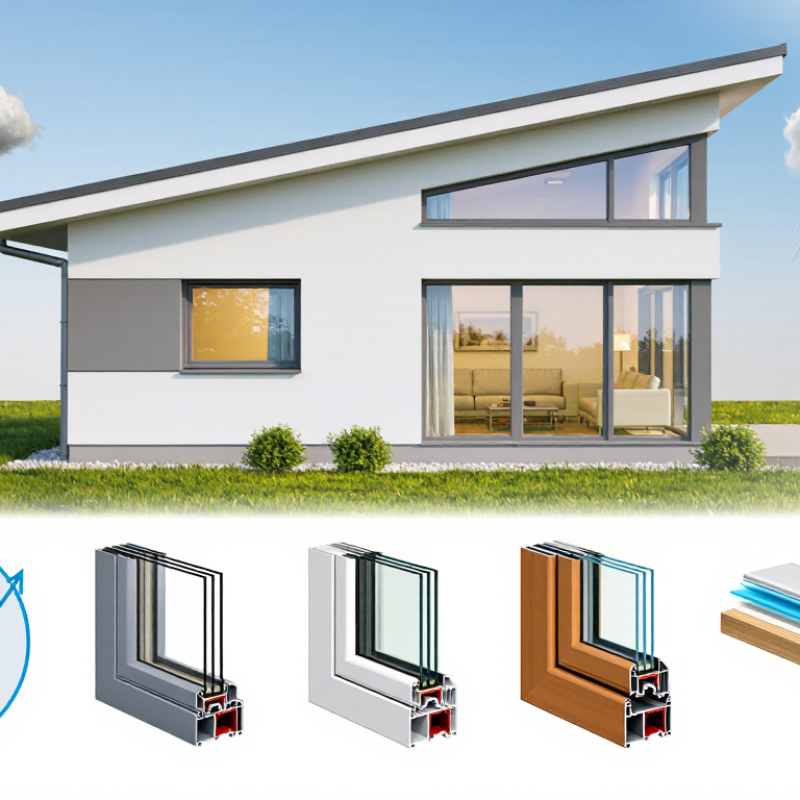
Define Climate-Zone Targets: U-Factor ≤0.30 and SHGC 0.23–0.40
Choosing exterior windows in 2026 starts with climate-zone targets, not appearance.
For many homes, aim for a whole-window U-factor of 0.30 or lower. A lower U-factor slows heat transfer through glass and frames. In cold regions, this can reduce winter heat loss near bedrooms and stairwells. Check the certified product label, not a center-glass claim. That distinction matters. I have seen attractive windows perform poorly after this detail was missed.
SHGC needs more careful judgment. Target 0.23–0.40, then adjust for solar exposure and local heating demand. A lower value can limit summer gains on west-facing glass. Yet very low SHGC may reduce useful winter sun in heating climates. South-facing windows with exterior shading deserve separate analysis. Use climate-zone data, room orientation, overhang depth, and glass area together. A calculator helps, but it cannot replace a site visit.
Ask for U-factor and SHGC values for the complete unit, including frame and spacers. Compare similar sizes and opening types. Installation also changes real performance; gaps around a frame can undermine excellent laboratory numbers. Seal the rough opening, keep drainage paths clear, and inspect the sill before interior trim covers it. My own shortcut was trusting the label alone. It was incomplete. Recheck condensation risk, daylight, and ventilation needs before ordering.
Choose Double or Triple IGUs: Low-E Coatings and Warm-Edge Spacers
Choosing exterior windows in 2026 starts with the insulating glass unit, not the frame color. A double IGU has two panes and one sealed cavity. A triple IGU adds another pane and cavity, improving insulation in cold or noisy locations. Its extra weight, depth, and cost can complicate installation. In a mild climate, that upgrade may deliver limited value. Local winter temperatures, window orientation, and heating use should guide the decision.
Low-E coatings control radiant heat without making glass look heavily tinted. A coating can retain indoor warmth during winter, while a suitable solar-control version reduces summer heat gain. Ask for whole-window U-factor and solar heat gain coefficient, rather than center-glass figures alone. South- and west-facing rooms often need different glass than shaded elevations. A high-performance specification can still fail when the opening is poorly flashed or the sash is misaligned.
Small details matter.
Warm-edge spacers reduce heat loss around the glass perimeter and help keep interior edges warmer. That can lower condensation risk near the frame, especially in humid rooms. During site inspections, I look for uninterrupted seals, dry corners, and even interior temperatures. I once assumed triple glazing was always best; the heavier sash later exposed weak hardware and imperfect installation. That mistake changed my recommendation. Performance depends on the complete window, not one impressive number. Request documented test data and a clear warranty. Then compare likely comfort.
Compare Frame Materials Using NFRC U-Factor and Condensation Resistance
How to Choose the Best Exterior Windows in 2026?
Frame material matters, but the NFRC label gives better evidence than appearance alone. U-factor measures heat flow through the complete window. Lower values indicate stronger insulation. The U.S. Department of Energy estimates that windows can account for 25–30% of household heating and cooling energy use. That makes a small U-factor difference meaningful across many seasons.
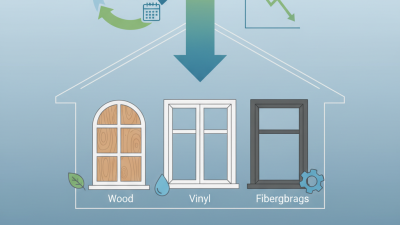
Vinyl and fiberglass frames often provide stable thermal performance, while wood can insulate well when properly maintained. Uninsulated aluminum usually conducts heat quickly. Thermal breaks can improve its result. Compare the tested whole-window U-factor, not only the center-glass value. NFRC certification uses standardized procedures under NFRC 100, helping shoppers compare products more reliably.
Condensation Resistance, or CR, uses a 1–100 scale. Higher ratings indicate better resistance during standardized moisture testing. NFRC guidance warns that CR is comparative, not a guarantee against indoor condensation. A bathroom window, cold night, and indoor humidity above 50% can still produce droplets. Check the NFRC Product Directory, review the CR rating, and ask about installation details. I have seen homeowners choose the lowest U-factor, then regret ignoring edge spacers and ventilation. The label helps. It does not replace judgment.
Verify NFRC Labels: Air Leakage ≤0.30 cfm/ft², VT, and SHGC
When choosing exterior windows in 2026, read the NFRC label before comparing frame colors or grille patterns. The label provides tested performance data, not a showroom promise. Look for air leakage of 0.30 cfm/ft² or lower. A lower value generally means fewer drafts through the closed window assembly. During field inspections, I have found that small installation gaps can undermine excellent laboratory results. The window matters, but the surrounding seal matters too.
Check VT, or visible transmittance, to estimate how much daylight enters the room. Higher VT can brighten a shaded office, while lower VT may reduce glare near large glass areas. Do not chase the highest number automatically. SHGC shows how much solar heat passes through the glazing. In cold climates, higher SHGC may support passive warmth on sunny winter afternoons. In hot, bright climates, lower SHGC can reduce cooling demand and harsh afternoon heat. Orientation changes the answer.
Compare NFRC values with wall orientation, overhangs, shading, and local climate data. Numbers need context. Ask the installer how the rating applies to the complete product, including operating hardware and seals. Independent testing offers useful evidence, but it cannot predict every home. I once focused too much on frame appearance and missed a weak air-sealing detail. I would inspect the installation after the first windy rain. That step can reveal drafts, condensation, or glare that the brochure never showed.