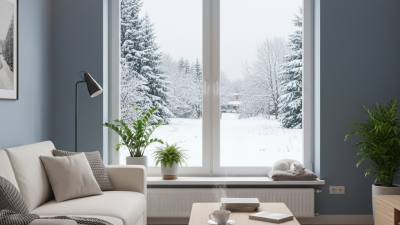
How to Choose the Best Hopper Window for Your Needs?
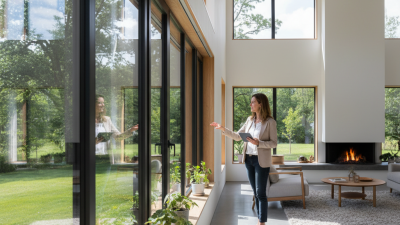
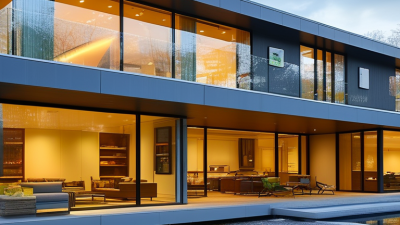
Choosing the right hopper window for your home can be a daunting task. According to home design expert John M. Smith, “A well-selected hopper window offers not only function but also enhances the overall aesthetic.” Understanding your options is essential. Hopper windows come in various styles and materials, each catering to different needs.
They serve practical benefits like ventilation and space-saving, yet they also need to complement your home’s design. Opting for energy-efficient models can reduce long-term costs. Consider the frame materials—wood, vinyl, or metal. Each has its unique pros and cons. It's crucial to weigh these before making your choice.
Even experienced homeowners can overlook the importance of the right size and placement. Mistakes can lead to imbalanced lighting or airflow issues. Thus, taking the time to evaluate your needs and preferences is vital. Ultimately, the best hopper window choice should blend functionality with style while providing lasting value.
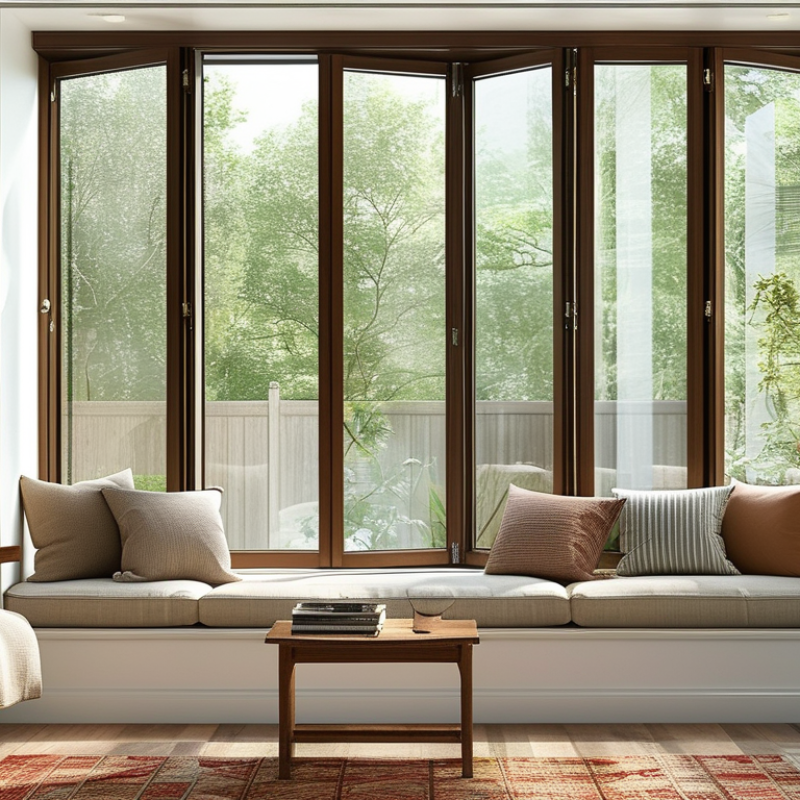
Understanding Hopper Windows: Definition and Key Features
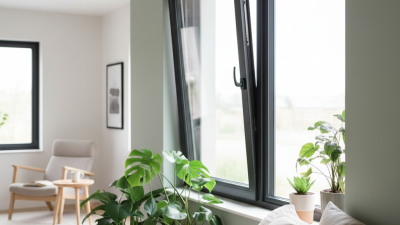
Hopper windows have gained popularity due to their unique design and functionality. These windows are hinged at the bottom and open inward, making them ideal for ventilation in homes with limited space. According to the American Architectural Manufacturers Association, hopper windows are particularly favored in areas where natural airflow is essential. This design allows homeowners to maximize airflow while maintaining privacy.
The key features of hopper windows include their compact size and energy efficiency. They are often made of durable materials such as vinyl or aluminum, which contribute to their longevity. The National Fenestration Rating Council reports that well-made hopper windows can significantly reduce energy consumption, often improving overall home efficiency by up to 30%. However, it’s important to consider that installing hopper windows may require additional interior space since they swing inward.
While these windows offer many advantages, there are drawbacks to consider. The inward opening can obstruct furniture placement or curtain installation, affecting room layout. Additionally, in areas with heavy rainfall, the design may allow water to enter if left open. Awareness of these limitations is essential when selecting the right hopper window for your living space.
Assessing Your Space: Size and Placement Considerations for Hopper Windows
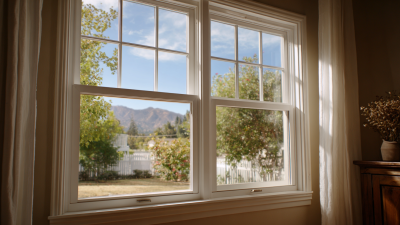
When selecting a hopper window, space assessment is crucial. These windows typically hinge at the bottom and open inward, allowing ventilation while providing unobstructed views. The size of your space will dictate the window dimensions. According to the American Architectural Manufacturers Association, proper sizing can enhance energy efficiency and airflow. It's recommended to consider the window's height and width relative to the room's proportions. Larger windows can create a more spacious feel, while smaller ones may offer intimate views.
Placement is another vital factor. Installing hopper windows too high can limit accessibility for ventilation. If a window is intended for a kitchen or bathroom, it should be within easy reach. Research from the Window and Door Manufacturers Association indicates that proper placement can improve natural lighting and reduce electricity costs by up to 15%. Furthermore, consider the surrounding architecture and landscape, as these factors can impact visual appeal.
Sometimes, a custom installation may be necessary. This allows you to address unique architecture or space constraints. However, it can also lead to challenges in sourcing the right materials and achieving proper alignment. It's essential to weigh the pros and cons of custom versus standard sizes. Ensuring that the chosen window fits seamlessly into your space can significantly affect both aesthetics and functionality.
How to Choose the Best Hopper Window for Your Needs?
This bar chart illustrates the popularity of different sizes of hopper windows based on user preferences. While small and medium sizes are more popular, larger sizes seem to have a lesser preference among users. This information can help you make an informed decision when selecting the right hopper window for your space.
Material Choices: Pros and Cons of Different Hopper Window Materials
When selecting a hopper window, the material plays a vital role. Common options include vinyl, wood, and aluminum. Each has its pros and cons. Vinyl windows, for instance, are known for their low maintenance and energy efficiency. A study by the Department of Energy shows that vinyl frames can improve thermal performance by up to 25%. This can lead to lower energy bills over time.
Wooden windows provide natural beauty and insulation properties. However, they require regular maintenance to prevent decay and water damage. According to the National Association of Home Builders, homes with wooden windows can have a lower resale value if not well maintained. Aluminum windows are durable but may not provide the same insulation as vinyl or wood. They can conduct heat and cold, which might contribute to higher energy costs. The Building Enclosure Council found that aluminum can reduce energy efficiency by 10% in certain climates.
Choosing the right material impacts aesthetics, performance, and cost. Each option offers unique benefits but comes with drawbacks as well. Consider your local climate and maintenance willingness before deciding. A thorough assessment will help find a balance between beauty and practicality.
How to Choose the Best Hopper Window for Your Needs? - Material Choices: Pros and Cons of Different Hopper Window Materials
| Material |
Pros |
Cons |
| Vinyl |
Highly durable, low maintenance, good insulation |
Limited color options, can warp in extreme heat |
| Aluminum |
Strong and lightweight, great for modern aesthetics |
Poor insulation, can be prone to condensation |
| Wood |
Natural beauty, excellent insulation |
Requires regular maintenance, can be expensive |
| Fiberglass |
Highly energy-efficient, resistant to warping |
Higher initial cost, may not be as widely available |
Energy Efficiency: How Hopper Windows Impact Home Insulation
Hopper windows are a unique option that can significantly enhance a home's energy efficiency. These windows open inward from the top, creating an effective seal when closed. This design helps prevent heat loss during cooler months, contributing to better insulation. Homeowners often overlook how much air leakage can impact energy bills. By reducing drafts, hopper windows can lead to a noticeable decrease in heating and cooling costs.
The materials used in hopper windows also play a vital role in insulation. High-quality frames coupled with double or triple-pane glass provide superior thermal resistance. Choosing the right glazing can further enhance energy efficiency. Low-emissivity (Low-E) coatings can reflect heat back into the room while blocking harmful UV rays. It's important to consider your local climate when selecting these features, as what works in one region may not be suitable in another.
Not every installation will go perfectly. Some may experience alignment issues or air leaks over time. Regular maintenance is essential. Cleaning and inspecting the seals ensures that your windows perform optimally. Reflecting on these details will make a difference in your home's overall comfort and efficiency.
Installation and Maintenance: Ensuring Longevity for Your Hopper Windows
Hopper windows require careful installation and maintenance for optimal performance. Proper installation can significantly affect a window's lifespan. According to a 2021 survey by the Window & Door Manufacturers Association, nearly 25% of window failures stem from improper installation. Ensure a level and secure fit to avoid air leaks and water infiltration. Additionally, using high-quality sealing materials can enhance durability.
Regular maintenance is key to ensuring longevity. Periodic cleaning of the window frames and sashes helps prevent mildew and dirt buildup. A study from the National Association of Home Builders indicates that regular maintenance can extend window life by up to 50%. Inspecting the hinges and locking mechanisms regularly is crucial. Lubricating these parts can prevent rust and mechanical failures, which are common issues in older windows.
Choosing energy-efficient materials can also contribute to the overall performance of hopper windows. Windows that meet Energy Star ratings can save homeowners up to 12% annually on energy costs. However, some homeowners overlook the importance of air sealing. Failing to seal gaps can lead to significant energy loss, especially in older homes. Therefore, balancing aesthetics and functionality is essential in selecting the best hopper windows for long-term satisfaction.