How to Choose Triple Glazed Windows for Maximum Energy Efficiency
When it comes to enhancing the energy efficiency of a home or building, the choice of windows plays a crucial role. Among the various options available, triple glazed windows are increasingly gaining popularity due to their superior insulation properties. According to expert Roger Phillips, a well-known authority in window technology, “Investing in triple glazed windows not only reduces energy costs but also significantly improves indoor comfort.” This statement underscores the importance of selecting the right windows to achieve maximum energy savings.
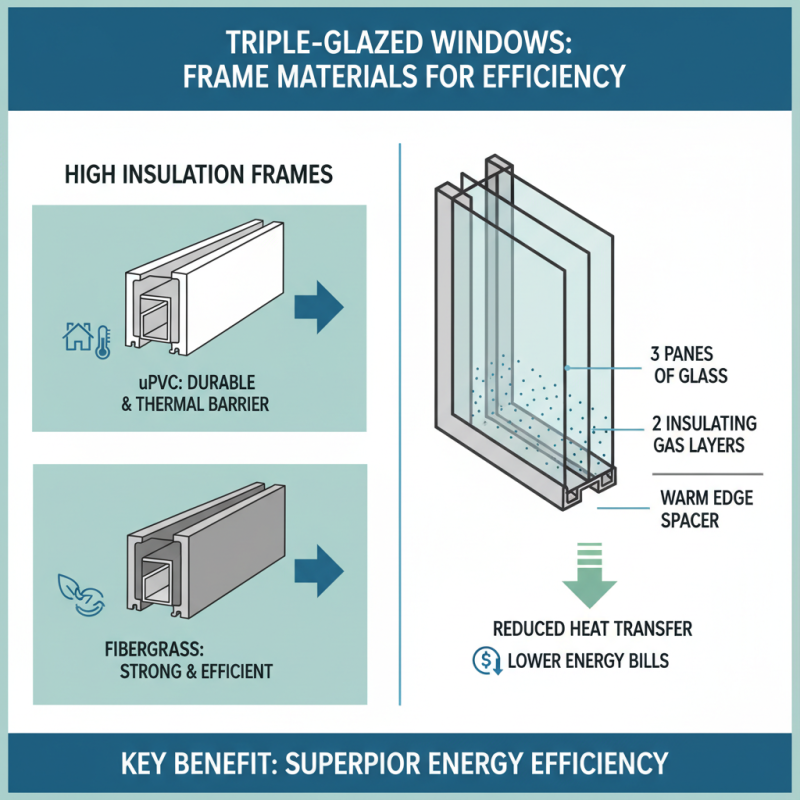
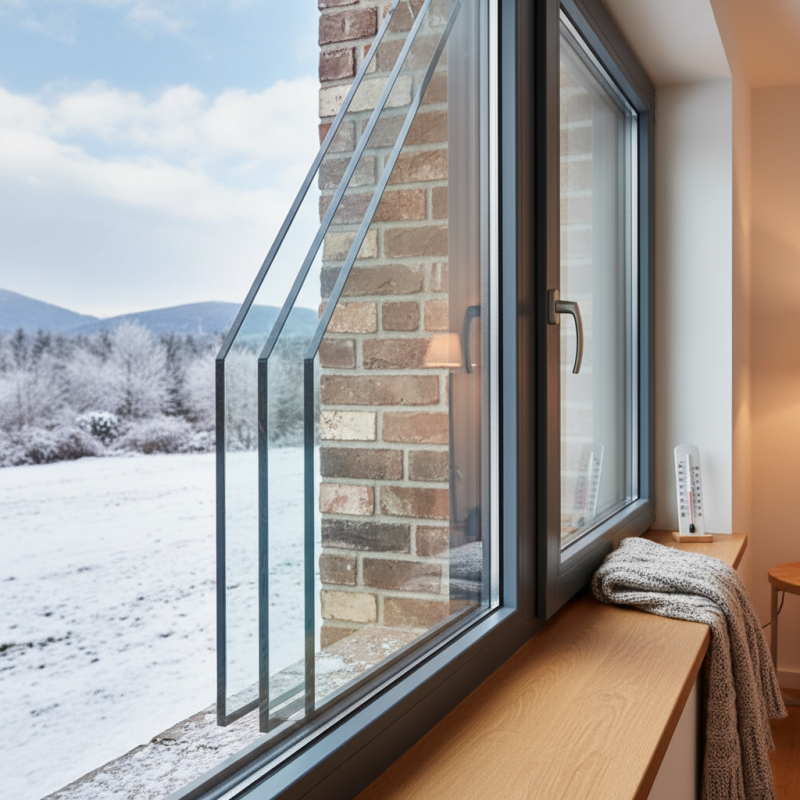
Triple glazed windows consist of three panes of glass, separated by insulating gas-filled spaces that dramatically minimize heat loss. This advanced construction helps to maintain a stable indoor temperature, regardless of external conditions, which is especially beneficial in extreme climates. Furthermore, their energy efficiency can lead to reduced reliance on heating and cooling systems, promoting a more sustainable lifestyle.
In this guide, we will explore key factors to consider when choosing triple glazed windows, including frame materials, installation techniques, and performance ratings. By understanding these elements, homeowners can make informed decisions that not only enhance energy efficiency but also contribute to long-term savings and environmental benefits.
Understanding Triple Glazing: Benefits for Energy Efficiency
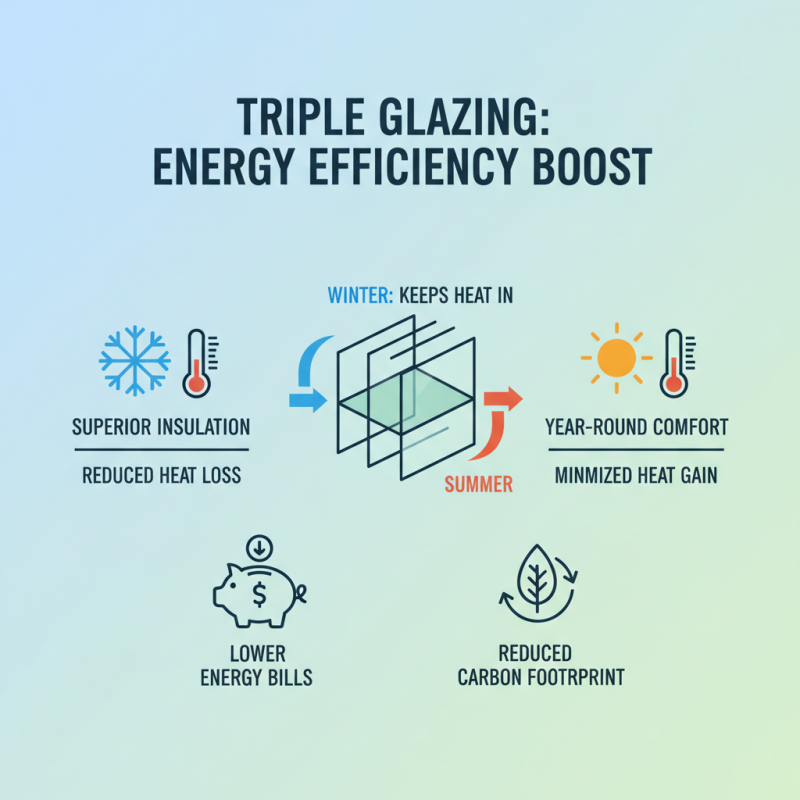
Triple glazing, composed of three panes of glass, significantly enhances energy efficiency in homes. The key benefit of triple glazed windows is their superior insulation properties, which effectively reduce heat loss during winter and minimize heat gain in summer. This not only creates a more comfortable living environment but also leads to lower energy bills and a reduced carbon footprint.
When considering triple glazing, one should pay attention to the U-value, which measures thermal transmittance. A lower U-value indicates better insulation. Furthermore, the space between the panes can be filled with argon or krypton gas, which improves thermal efficiency. Additionally, ensure that the windows have a quality frame, as the material plays a crucial role in overall performance.
**Tips**:
1. When choosing triple glazed windows, opt for low-E (low emissivity) glass, which reflects heat back into the home while allowing natural light to enter.
2. Look for windows that offer certified energy ratings, ensuring they meet high performance standards.
3. Don’t overlook the installation process; proper fitting is essential to maximize energy efficiency and prevent drafts.
Key Factors to Consider When Choosing Triple Glazed Windows
When selecting triple glazed windows for maximum energy efficiency, there are several key factors to consider. First, the frame material significantly impacts energy performance. Options like uPVC, aluminum, and wood have different thermal properties. While uPVC offers excellent insulation and minimal maintenance, aluminum frames can require thermal breaks to improve energy efficiency. Understanding the frame composition will help you evaluate its overall effectiveness in minimizing heat transfer.
Another critical aspect is the type of glazing used in the windows. Triple glazing typically consists of three panes of glass separated by gas-filled spaces, which enhances thermal insulation. Consider the gas used in the spaces, as argon and krypton provide better insulation compared to air. Additionally, look for low-emissivity (Low-E) coatings on the glass, which reflect infrared light and reduce heat loss while still allowing natural light to enter. Together, these features contribute to the overall energy efficiency of the windows and can significantly lower heating and cooling costs in your home.
How to Choose Triple Glazed Windows for Maximum Energy Efficiency
| Factor |
Description |
Impact on Energy Efficiency |
Recommended Value |
| U-Value |
Measures the heat transfer rate through the window. |
Lower U-value indicates better insulation and energy savings. |
< 0.8 W/m²K |
| Solar Heat Gain Coefficient (SHGC) |
Measures the amount of solar radiation that passes through the window. |
Lower SHGC is ideal for hot climates to reduce cooling costs. |
< 0.25 |
| Visible Light Transmittance (VLT) |
Measures the amount of visible light that passes through the window. |
Higher VLT allows more natural light, reducing the need for artificial lighting. |
> 0.5 |
| Gas Fill |
Type of gas used between the panes (e.g., argon, krypton) affects insulation. |
Inert gases improve thermal performance but vary in cost and efficiency. |
Argon or Krypton |
| Frame Material |
Different frame materials (PVC, wood, aluminum) affect insulation and durability. |
Choose materials with low thermal conductivity. |
PVC or Fiberglass |
Comparing Triple Glazed Windows with Double and Single Glazing
When comparing triple glazed windows with their double and single glazed counterparts, the differences in energy efficiency become evident.
Triple glazing features three panes of glass with insulating argon or krypton gas in between, significantly reducing heat loss compared to double and single glazing.
This enhanced insulation helps maintain a consistent indoor temperature, leading to lower heating costs and a smaller carbon footprint.
Tips for choosing triple glazed windows include considering the U-value, which measures thermal efficiency.
Look for windows with a low U-value to ensure minimal heat transfer.
Additionally, check the solar gain rating; a higher rating can help utilize sunlight for warming spaces in colder months.
Finally, pay attention to the frame materials and their insulating properties, as they play a crucial role in overall energy performance.
In comparison, double glazed windows offer decent insulation with two glass panes but do not match the efficiency of triple glazing.
Single glazed windows, while the most cost-effective, provide minimal insulation, making them inadequate for energy-conscious homeowners.
Investing in triple glazed windows may have a higher upfront cost, but the long-term savings and environmental benefits often outweigh the initial expenditure.
Assessing Frame Materials for Optimal Thermal Performance
When selecting triple glazed windows for their superior energy efficiency, the choice of frame material is a crucial consideration. Different materials offer varying levels of thermal performance, which can significantly impact a window's overall efficiency. For instance, materials like uPVC and fiberglass are known for their exceptional insulation properties. uPVC frames are not only durable and weather-resistant but also provide a strong thermal barrier, effectively minimizing heat transfer. This characteristic is invaluable for maintaining comfortable indoor temperatures while reducing energy costs.
On the other hand, aluminum frames, while often praised for their modern aesthetic and strength, can be less effective in thermal performance unless they feature a thermal break. A thermal break is an insulating material that separates the interior and exterior metals, preventing heat loss and condensation. Selecting aluminum with this feature can enhance its efficiency, making it a viable option for certain architectural styles. Ultimately, the choice of frame material should align with specific climate conditions and aesthetic preferences, ensuring optimal performance and energy savings throughout the year.
Installation Tips for Enhancing Energy Efficiency of Triple Glazing
When installing triple glazed windows, attention to detail during the installation process plays a crucial role in optimizing their energy efficiency. First and foremost, it’s essential to ensure that the window frames are properly sealed and insulated. Gaps or air leaks around the frames can drastically reduce the performance of triple glazing, negating its benefits. Using high-quality sealants and weatherstripping can help create a tight seal, preventing drafts and minimizing heat loss.
Another important factor to consider is the orientation and placement of the windows. Positioning windows to maximize natural light not only enhances aesthetic appeal but also utilizes solar gain for energy efficiency. In colder climates, place larger windows facing south to capture more sunlight, while in warmer regions, strategic placement can reduce overheating. Additionally, ensuring that the windows are installed at a level plane and aligned correctly contributes to both performance and structural integrity, allowing for optimal thermal performance. Careful attention to these installation aspects can significantly enhance the overall energy efficiency of triple glazed windows.
Energy Efficiency Comparison of Window Types
This chart compares the U-Values of different window types, illustrating the energy efficiency advantages of triple glazing. Lower U-Values indicate better insulating properties.