How to Choose Triple Pane Windows for Energy Efficiency?
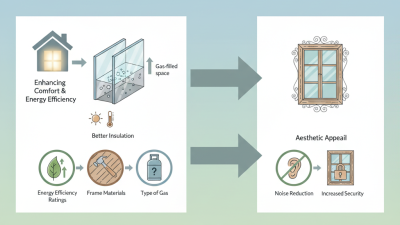
Choosing the right windows is crucial for energy efficiency in your home. Triple pane windows offer superior insulation compared to single or double pane options. They can significantly reduce heating and cooling costs. Their design includes three layers of glass, separated by insulating gas. This enhances a home's thermal performance significantly.
However, selecting the ideal triple pane windows requires careful consideration. Not all triple pane windows are created equal. Quality varies among manufacturers, and prices can differ widely. Researching reputable brands is essential for making an informed choice. Look for windows with energy performance certifications.
Installation is another critical aspect. Even the best triple pane windows won’t perform well if not installed properly. You may encounter challenges in the installation process, so hiring experienced professionals is advisable. Balancing performance with budget can be tough. Evaluating options can be overwhelming, leading to potential second-guessing. However, making an informed decision will lead to long-term benefits for your energy efficiency goals.

Understanding the Basics of Triple Pane Windows and Their Benefits
Triple pane windows have gained popularity due to their superior energy efficiency. They consist of three layers of glass, which can trap more heat compared to single or double-pane options. Research by the Department of Energy indicates that triple-pane windows can reduce energy costs by up to 30%. This significant reduction is attributed to enhanced insulation, which minimizes heat transfer.
Moreover, triple-pane windows provide better noise reduction. The extra layer of glass helps block sound waves more effectively. A study by the National Institute of Standards and Technology shows that triple-pane windows can reduce noise by up to 50%. This makes them ideal for homes in bustling environments or near highways.
However, installing triple-pane windows might require a larger upfront investment. While many homeowners prioritize long-term savings, the initial cost can raise concerns. It's essential to evaluate personal budgets and energy efficiency goals. Furthermore, the weight of triple-pane windows might necessitate more robust framing, creating additional considerations for installation. Balancing these factors is crucial for making informed decisions.
Evaluating Energy Efficiency Ratings for Triple Pane Windows
When evaluating the energy efficiency of triple pane windows, it's crucial to consider various performance metrics. One key factor is the Insulation Value or U-factor. According to the National Fenestration Rating Council (NFRC), triple pane windows offer lower U-factors compared to double pane alternatives. Typically, a U-factor below 0.20 is considered excellent. This indicates that less heat escapes during winter, resulting in significant energy savings.
Another important metric is the Solar Heat Gain Coefficient (SHGC). This rating measures how much solar radiation is admitted through the window and subsequently converted into heat. A lower SHGC rating signifies better energy efficiency, especially in warmer climates. Reports indicate that windows with an SHGC below 0.30 help reduce cooling costs by minimizing the need for air conditioning.
It's essential to acknowledge that while triple pane windows provide superior insulation, their installation also requires precision. Poor installation can lead to air leaks, negating the benefits of enhanced insulation. Therefore, hiring certified professionals for installation is crucial. While triple pane windows represent a significant upfront investment, the long-term energy savings often justify the initial cost.
Energy Efficiency Ratings of Triple Pane Windows
Factors to Consider When Choosing Triple Pane Window Frames
When choosing triple pane window frames, several key factors come into play. The material of the frames significantly impacts energy efficiency. Vinyl frames are cost-effective and offer good insulation. Wood frames provide excellent insulation but require more maintenance. Aluminum frames are durable but may not insulate as well. Consider the climate in your area to guide your choice of material.
Design and style are equally important. Frames come in various styles, colors, and finishes. Choose a design that complements your home while also maximizing insulation. Look for frames with a thermal break, as this reduces heat transfer and improves energy performance. Pay attention to the frame thickness, which also influences energy efficiency.
Evaluating energy ratings can guide your decision. Look for windows with a high Energy Star rating. Such windows ensure they meet specific energy-saving criteria. Be mindful not to compromise on quality for cost. Investing in quality frames will yield better long-term savings. Regular maintenance checks are beneficial to ensure your windows are performing optimally.
Comparing Costs: Triple Pane vs. Double Pane Windows
When considering window upgrades, the cost difference between triple pane and double pane windows is considerable. Triple pane windows typically cost more upfront due to their complex design and additional materials. The layered glass provides better insulation, which can lead to long-term savings on energy bills. On average, homeowners can expect to pay about 20-30% more for triple pane windows compared to their double pane counterparts.
While the initial investment is higher, it's important to assess the energy efficiency benefits. Triple pane windows can reduce heating and cooling costs significantly over time. For homes in extreme climates, the long-term savings may outweigh the initial cost. However, they might not be necessary for all homeowners. An assessment of your local climate, home insulation, and energy needs is essential.
Investing in triple pane windows may seem daunting due to the price. Some homeowners discover that the extra thickness adds to the weight, requiring stronger frames. Not every home can accommodate this additional burden, which could lead to unexpected renovation costs. It's crucial to weigh these factors carefully and consider whether the benefits align with your unique situation.
Installation Tips for Maximizing Triple Pane Window Efficiency
When installing triple pane windows, maximizing energy efficiency is crucial. Research shows that triple pane windows can reduce energy costs by up to 30% compared to double pane options. This efficiency largely relies on proper installation techniques. To achieve optimal performance, ensure the frames are fitted tightly. Any gaps can lead to air leakage, undermining insulation benefits.
Consider using low-E coatings for your windows. These coatings reflect heat in the winter and reduce heat gain in the summer. Properly positioned, they enhance the effectiveness of the triple glazing. The National Renewable Energy Laboratory states that using low-E coatings can improve overall energy savings by approximately 10-15%.
Pay attention to the installation environment. Even small imperfections in alignment can cause problems. Sealant must be applied consistently to prevent drafts. The Department of Energy advises using expanding foam for gaps at the edges. Good ventilation and moisture management during installation help combat condensation, preserving window integrity over time. Each step contributes to the long-term efficiency of triple pane windows.