How to Choose Vinyl Windows for Your Home Improvement?
Choosing the right vinyl windows for your home can be a daunting task. As an expert in the field, John Doe states, "Vinyl windows are not just about aesthetics; they must perform in every season." With various styles and energy ratings, the decision requires careful thought.
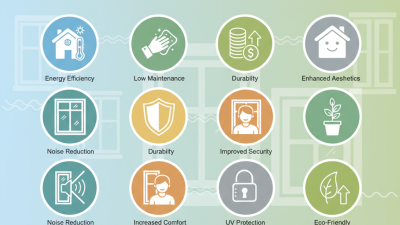
Vinyl windows offer advantages in durability and energy efficiency. They require little maintenance and can enhance your home’s curb appeal. However, not all vinyl windows are created equal. It’s crucial to focus on quality when making your selection.
Consider the impact of window placement and design. Poor choices can lead to heat loss or discomfort. Reflecting on your options can help close the gap between ideal and reality. Think about your long-term needs for comfort and efficiency. Making an informed decision will pay dividends, not just in savings but also in your home’s overall value.
Choosing the Right Vinyl Window Style for Your Home Aesthetic
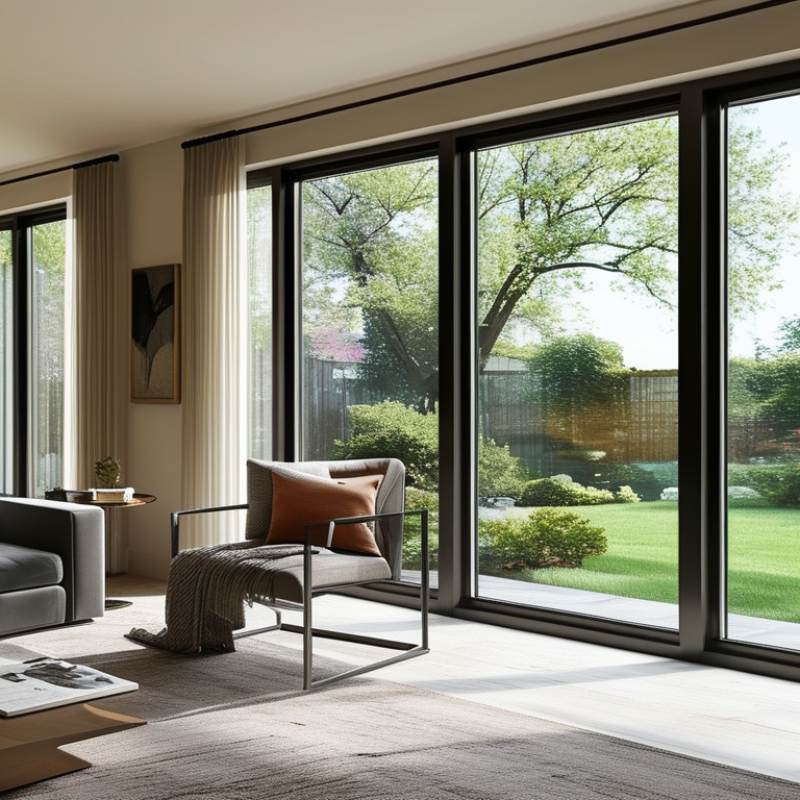
Choosing vinyl windows for your home involves understanding how the style complements your overall aesthetic. It’s essential to select a design that not only looks good but also reflects your personal taste. Consider the architectural style of your house. For traditional homes, classic double-hung or casement windows may enhance charm. On the other hand, modern designs often benefit from sleek, minimalist styles.
Color also plays a critical role. Vinyl windows come in various shades. A neutral palette can create a seamless look, while bold colors may add a pop of personality. Think about how these colors will interact with your home’s exterior. The right hue can either blend beautifully or make a striking statement.
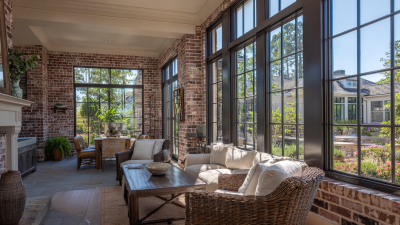
When choosing window styles, location matters too. Windows facing busy streets may need more insulation and a sturdy design. Windows near patios or gardens can be larger, showcasing the landscape. Each choice should serve a practical purpose while enhancing beauty.
Consider custom options for unique spaces. Customization can create a perfect fit but may require careful planning. The balance between aesthetics and functionality is vital. Reflect on your needs and preferences, and choose wisely.
Understanding Energy Efficiency Ratings of Vinyl Windows
When selecting vinyl windows, energy efficiency ratings are crucial. These ratings determine how well windows insulate against heat loss or gain. The National Fenestration Rating Council (NFRC) provides standardized measurements for performance. The rating includes U-factor, Solar Heat Gain Coefficient (SHGC), and Visible Transmittance (VT). Each of these metrics holds significant value for homeowners aiming to enhance energy efficiency.
U-factor measures the rate of heat transfer. Lower U-values indicate better insulation properties. For instance, a window with a U-factor of 0.30 is more efficient than one rated at 0.50. Additionally, the SHGC reflects how much solar heat enters your home. A lower SHGC is beneficial in warmer climates, while a higher value may be advantageous in colder areas. The VT rating tells you how much light a window lets in. Balancing these ratings according to your specific environment and needs can significantly lower energy bills, with some reports indicating savings of up to 15% annually.
Homeowners often overlook the importance of these ratings, focusing more on aesthetics. Prioritizing appearance over efficiency may lead to discomfort or excessive costs in the long run. When assessing different window options, remember to ask for detailed NFRC labels. These labels provide reliable data for making informed choices. Understanding these elements will aid in a more thoughtful approach to home improvement.
Assessing Durability and Maintenance Requirements of Vinyl Windows
Vinyl windows have gained popularity due to their durability and low maintenance features. A study by the American Architectural Manufacturers Association found that vinyl windows can last over 30 years with proper care. They resist moisture, which helps prevent rot and mold. This makes them ideal for various climates.
However, maintenance is not entirely absent. Dirt and debris can accumulate in frames or sills. Regular cleaning helps ensure optimal performance. Additionally, UV exposure may cause color fading over time. According to data from the National Fenestration Rating Council, this affects aesthetics more than functionality. Still, some homeowners may find the need for replacements sooner than expected.
When assessing vinyl windows, consider their insulation properties. The Department of Energy reports that efficient windows can reduce heating and cooling costs by 7-15%. Keep in mind that while vinyl offers many benefits, it may not suit every aesthetic preference. Understanding these factors ensures a well-informed decision for your home improvement project.
Comparing Cost Factors: Vinyl Windows vs. Other Materials
When comparing vinyl windows to other materials, cost is a major consideration. Vinyl windows generally offer a lower upfront cost than wood or fiberglass options. However, it’s essential to account for long-term savings. They require minimal maintenance and provide good insulation, potentially lowering energy bills over time.
Choosing durable windows means looking beyond just the price. While vinyl has a lower initial cost, wood windows may offer aesthetic appeal that could increase your home's value. On the other hand, fiberglass options can be more durable, but they also come with a higher price tag. Reflect on your budget and whether you'll stay in your current home long enough to benefit from long-term savings.
Consider energy efficiency when selecting windows. Vinyl windows usually have decent insulation. However, compare thermal performance ratings. Look for features like Low-E coatings to enhance energy efficiency. Each material type offers unique advantages, so take your time evaluating them carefully. Do not rush into a decision based solely on cost; this can lead to regrets later.
Exploring Customization Options for Vinyl Windows in Home Designs
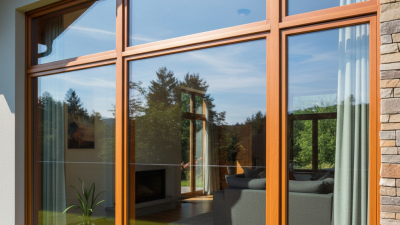
When selecting vinyl windows for your home, customization options matter significantly. Homeowners can choose from various styles and colors to match their home's aesthetic. For example, some might prefer a classic white finish, while others may opt for bold colors like deep blue or forest green. Texture is also important; smooth, matte, or wood-grain finishes can greatly affect the overall look.
Window shapes can enhance architectural design, too. Standard rectangles work well, but custom shapes like arches or circles offer unique charm. Consider your local climate and energy efficiency as you select features. This decision can impact your comfort and energy bills. The wrong choice may result in heat loss or excess condensation.
Most manufacturers provide a range of glass options, such as double or triple-pane. These choices affect insulation and noise reduction. However, more glass layers can increase costs. Therefore, weigh your priorities against your budget. A little research can lead you to the best balance between aesthetics and functionality. Remember, the perfect window should complement your home while serving practical needs.