10 Tips for Enhancing Your Home with Large Windows Ideas
In today's design landscape, large windows have emerged as a pivotal feature in modern homes, offering a seamless connection between indoor and outdoor environments. As noted by renowned architect Emily Thornton, "Large windows not only expand the space visually but also invite natural light, transforming the ambiance of a home." This insight highlights the critical role that large windows play in enhancing the aesthetic appeal and functionality of living spaces.
Incorporating large windows into your home can elevate its design, create a sense of openness, and improve energy efficiency. With the right design strategies, homeowners can maximize the benefits of these expansive installations. From framing stunning views to ensuring privacy and comfort, there are numerous ways to creatively enhance your living space with large windows. As we delve into these tips, you'll discover how to integrate large windows into your home effectively, allowing nature to become an integral part of your everyday life.
Choosing the Right Size and Style of Large Windows for Your Home
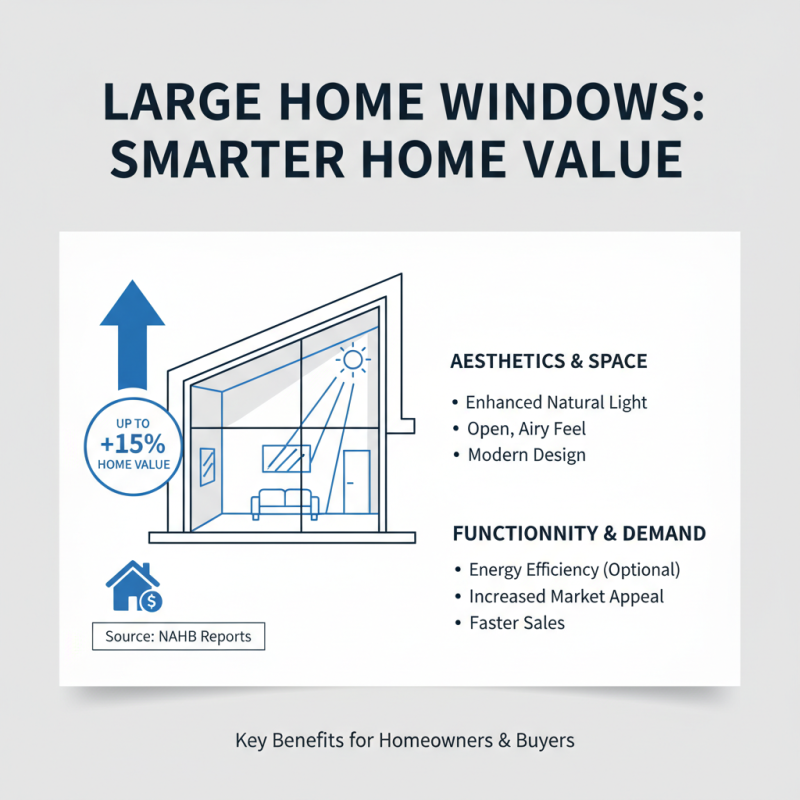
When it comes to enhancing your home with large windows, the size and style you choose can significantly impact both aesthetics and functionality. Industry reports from the National Association of Home Builders indicate that homes with larger windows can fetch up to 15% more on the market compared to those with standard-sized windows. This statistic underscores the importance of selecting the right size, as expansive windows can create a sense of space and improve natural light flow, which are highly sought-after features among buyers.
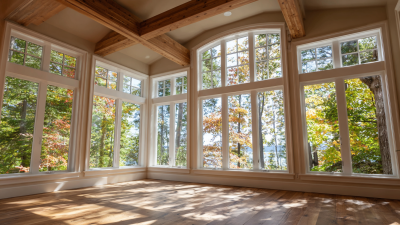
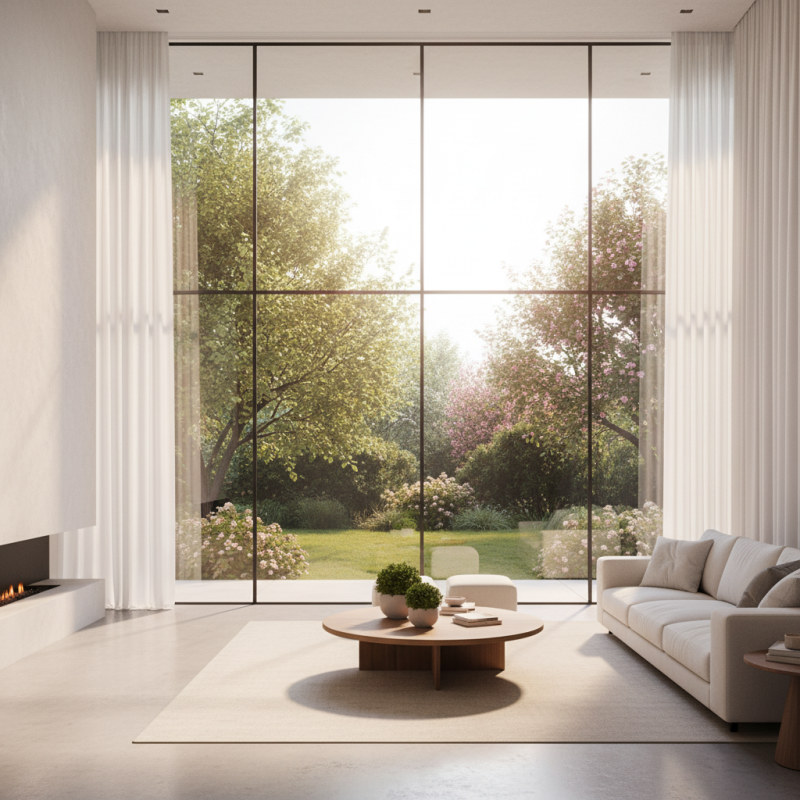
When selecting large windows, consider the architectural style of your home. For contemporary designs, floor-to-ceiling windows or oversized sliding glass doors can provide a seamless connection between your indoor and outdoor environments. On the other hand, traditional styles may benefit from large, multi-pane windows that maintain a classic look while still maximizing light. According to a report by the American Institute of Architects, certain window styles can also enhance energy efficiency, with double or triple-glazed options improving thermal performance and potentially reducing heating and cooling costs by up to 30%. This balance of aesthetics and efficiency is crucial, especially as homeowners increasingly prioritize sustainability in their design choices.
Exploring Different Materials for Large Windows: Pros and Cons
When considering large windows for your home, the choice of materials plays a crucial role in their functionality and aesthetic appeal. One popular option is vinyl, known for its durability and low maintenance requirements. Vinyl windows are resistant to moisture and temperature fluctuations, making them ideal for diverse climates. However, they can lack the sophisticated feel of other materials, which may deter some homeowners looking for elegance and a higher-end look.
Another material to consider is wood, which offers exceptional insulation and provides a warm, inviting appearance. Wood windows can be customized easily and painted or stained to match any decor. However, they require more upkeep than vinyl, as they need to be painted or sealed regularly to protect against the elements. On the downside, wood can expand and contract, leading to potential maintenance issues over time.
Ultimately, it's vital to weigh the pros and cons of each material to find the right fit for your design goals and lifestyle needs.
Incorporating Large Windows into Various Architectural Styles
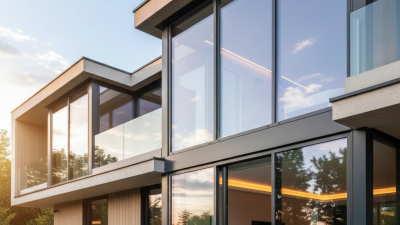
Incorporating large windows into various architectural styles can elevate the aesthetic and functional qualities of a home. For modern architecture, expansive glass walls create seamless transitions between indoor and outdoor spaces, often blurring the lines of natural boundaries. This design encourages natural light to filter through, creating open, airy environments that enhance the livability of a home. Additionally, large windows can serve as striking focal points, showcasing beautiful views and serving as a canvas for the changing landscape outside.
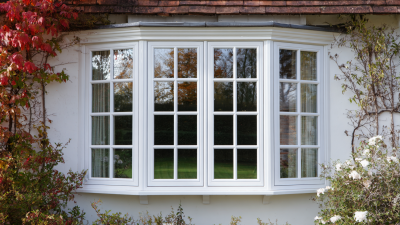
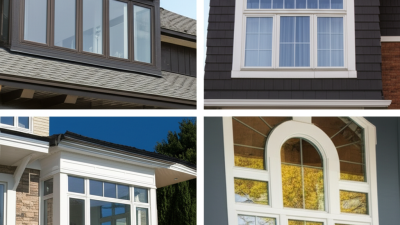
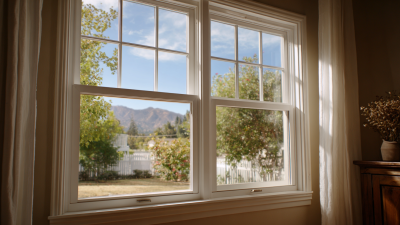
In contrast, traditional architectural styles, such as Colonial or Craftsman designs, can also benefit from the inclusion of large windows, albeit with a different approach. Here, oversized double-hung or casement windows can bring a sense of grandeur while maintaining the character of the home. Incorporating decorative window treatments, such as transoms or sidelights, can further enrich the aesthetics without detracting from the home’s classic charm. This thoughtful integration of large windows allows homeowners to enjoy the natural environment while preserving the essence of their chosen architectural style.
Maximizing Natural Light: Placement and Orientation of Large Windows
Maximizing natural light in your home can significantly enhance its ambiance and overall living experience. To achieve this, the placement and orientation of large windows play crucial roles. When planning your window installation, consider the position of the sun throughout the day.
South-facing windows capture the most sunlight, providing ample light and warmth during the day. By strategically placing large windows in these orientations, you can create a bright and inviting atmosphere while reducing the need for artificial lighting.
In addition to orientation, the height and size of the windows can further influence light penetration. Taller windows can draw the eye upward and create a sense of spaciousness, while expansive glass panels can dissolve boundaries between indoor and outdoor spaces. Incorporating features such as overhangs or awnings can help control the amount of sunlight entering the home, providing comfort during peak hours while still allowing for a flood of natural light during mornings or late afternoons.
By carefully considering these aspects, homeowners can design spaces that feel airy and open, maximizing the benefits of natural light.
Enhancing Privacy and Energy Efficiency with Window Treatments
Large windows can transform a home by allowing in natural light and providing stunning views. However, when it comes to enhancing privacy and energy efficiency, choosing the right window treatments is essential. Opting for layered treatments, such as sheer curtains combined with heavier drapes, can offer flexibility. During the day, sheer panels maintain light flow while providing privacy, and in the evening, the heavier drapes can be pulled shut to block visibility from outside.
Installing energy-efficient window treatments also plays a crucial role. Consider using insulated shades or cellular blinds that trap air and reduce heat loss during colder months. This approach not only enhances your home's comfort but also lowers energy bills. For aesthetics, selecting colors and patterns that complement your interior design can elevate the overall ambiance, ensuring that your windows remain a focal point while serving practical purposes.
Another effective tip is to use outdoor elements to enhance privacy without compromising the view. Strategically placed trees or decorative screens can protect your space while allowing light to filter in. Incorporating reflective materials can also divert glare while ensuring your room remains bright and inviting. Balancing these elements will enable you to enjoy the beauty of large windows while maintaining necessary privacy and energy efficiency.