10 Essential Tips for Choosing Residential Windows в
Choosing the right residential windows is crucial for homeowners. According to the National Association of Home Builders, windows account for about 70% of a home's energy loss. Selecting high-quality residential windows can significantly reduce energy costs and improve comfort. Expert James Anderson, a renowned window specialist, once stated, "Windows are the eyes of a home; they can enhance or diminish its value."
Homeowners must consider various factors when choosing residential windows. Style, material, and energy efficiency are key elements. Vinyl, wood, and fiberglass each offer unique benefits. Vinyl is low-maintenance and cost-effective. Wood provides a classic look but requires more upkeep. Understanding these differences is essential.
Despite available information, many homeowners still hesitate. They may overlook energy ratings or the importance of proper installation. This hesitation can lead to higher bills and discomfort. Investing time in research and expert advice pays off in the long run. Choosing the right residential windows not only enhances beauty but also promotes sustainability.
Understanding Different Types of Residential Windows
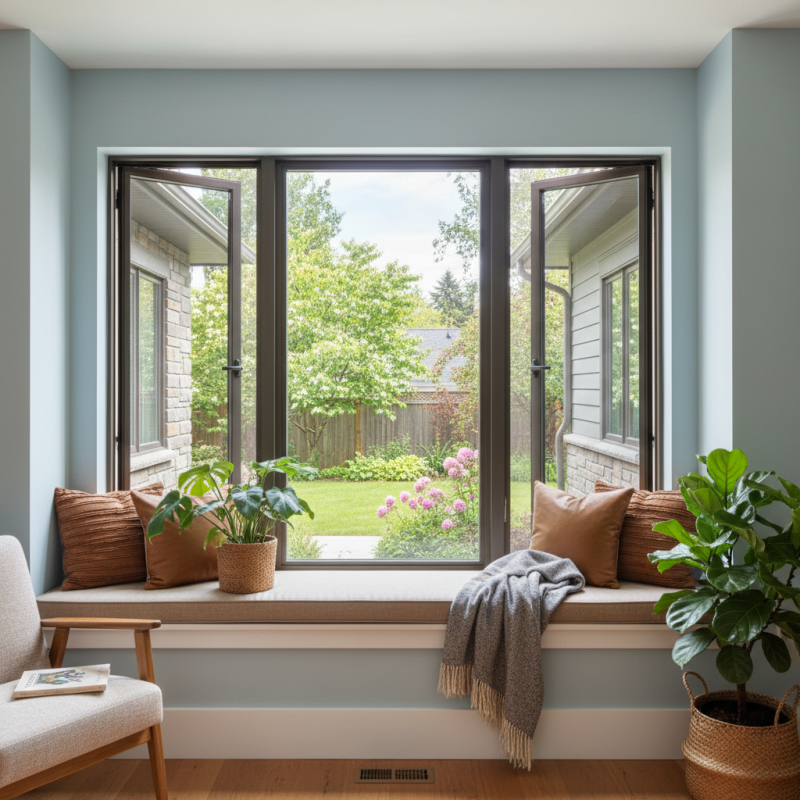
When it comes to residential windows, understanding the different types available is crucial. Various window styles offer unique benefits. For example, casement windows can provide excellent ventilation. Meanwhile, sliding windows are easy to operate and great for tight spaces. Each style can significantly impact your home's aesthetics and energy efficiency.
When choosing windows, consider the material. Vinyl windows tend to be low maintenance and energy-efficient. Wood windows offer classic beauty but require more upkeep. Remember, the choice affects your home's interior and exterior appearance.
Tip: Assess your local climate. If you live in a region with harsh winters, look for windows with good insulation. Another tip: seek professional advice when deciding. This can help you avoid mistakes. Don’t rush the decision. Take time to weigh your options carefully. Each choice should reflect your needs and style.
Evaluating Energy Efficiency Ratings for Windows
When choosing residential windows,
energy efficiency ratings play a crucial role.
These ratings guide you in selecting windows that will help reduce energy bills.
Look for the Energy Star label or U-factor ratings.
Understanding these can be confusing at first. Take your time to research and ask questions.
Consider this: a window with a low U-factor offers better insulation.
This means reduced heat loss in winter and less heat gain in summer.
Pay attention to the Solar Heat Gain Coefficient (SHGC) as well.
A lower SHGC number will lessen heat from sunlight. Assess how these factors meet your local climate needs.
Tip: Always compare multiple options. Prices can differ significantly for similar ratings.
Also, think about the frame material. Vinyl, wood, and fiberglass each have
unique insulative properties. Remember, the aesthetics matter too,
but energy efficiency should be prioritized. You may find that form takes precedence over function,
but make adjustments in your thinking. This way, your home will be both beautiful and energy-efficient.
Assessing Window Materials: Pros and Cons
When choosing residential windows, the materials play a critical role. Homeowners often face a dilemma between cost, durability, and energy efficiency. Vinyl windows are popular due to their affordability and low maintenance requirements. According to a 2021 study by the Department of Energy, vinyl frames can provide significant energy savings, often reducing heating and cooling costs by up to 15%.
Wooden windows offer a classic aesthetic and superior insulation. However, they require regular upkeep. A report from the National Association of Home Builders noted that, while wood offers beauty, it can warp or rot over time. Homeowners should also consider composite materials. These span many features of wood and vinyl. Unfortunately, they can come at a higher price point.
Aluminum windows are another option. They are strong and lightweight but can conduct heat and cold. The same Department of Energy study indicates they may not be as energy-efficient as other materials. Many homeowners forget to think about which material is best for their climate and lifestyle. Investing in the right windows impacts both comfort and utility bills. A deeper evaluation of these materials can reveal both benefits and hidden challenges.
10 Essential Tips for Choosing Residential Windows - Assessing Window Materials: Pros and Cons
| Material |
Pros |
Cons |
| Vinyl |
Low maintenance, energy-efficient, affordable |
Limited color options, can fade over time |
| Wood |
Aesthetic appeal, excellent insulation, customizable |
High maintenance, prone to rot and pests |
| Aluminum |
Durable, low maintenance, modern look |
Poor insulation, can be more expensive |
| Fiberglass |
Strong, energy-efficient, resistant to moisture |
Higher initial cost, limited availability |
| Composite |
Combines benefits of different materials, energy-efficient |
Can be costly, requires careful selection of materials |
Selecting Styles and Designs for Your Home Aesthetic
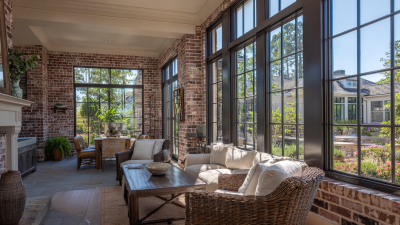
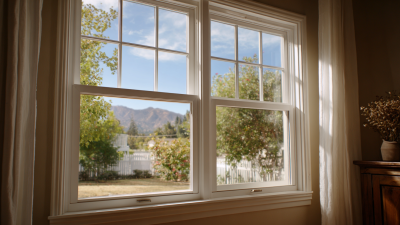
Selecting the right windows for your home adds to your aesthetic appeal. Consider how the style of your windows complements your overall design. For a modern home, sleek, minimalistic frames work well. They can enhance clean lines and open spaces. However, traditional homes often benefit from double-hung or casement windows. These styles add classic charm, connecting to the house's historical roots.
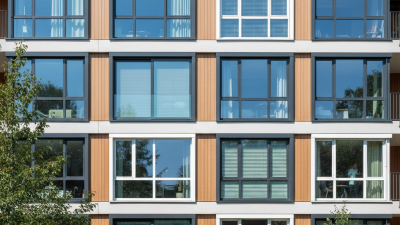
Color plays a significant role. White frames pair beautifully with vibrant walls. A bold color, like dark gray or navy blue, can create a stunning contrast. Think about the interior too. Matching the window color with your interior trim creates harmony. If you go for color, ensure it won't quickly go out of style; trends can be fleeting. Consider the materials as well, like wood, vinyl, or aluminum. Each has its beauty and durability, but they also come with maintenance challenges.
Reflect on the size of your windows. Large windows invite natural light, making spaces feel airy. Smaller windows may offer more privacy but could seem cramped if not balanced well. Be cautious about overdoing designs; too many styles can clash. Strive for a cohesive look that reflects your personality and enhances your space. A good choice should feel right, but keep in mind that not every decision will hit the mark.
Budgeting for Window Replacement or Installation Costs
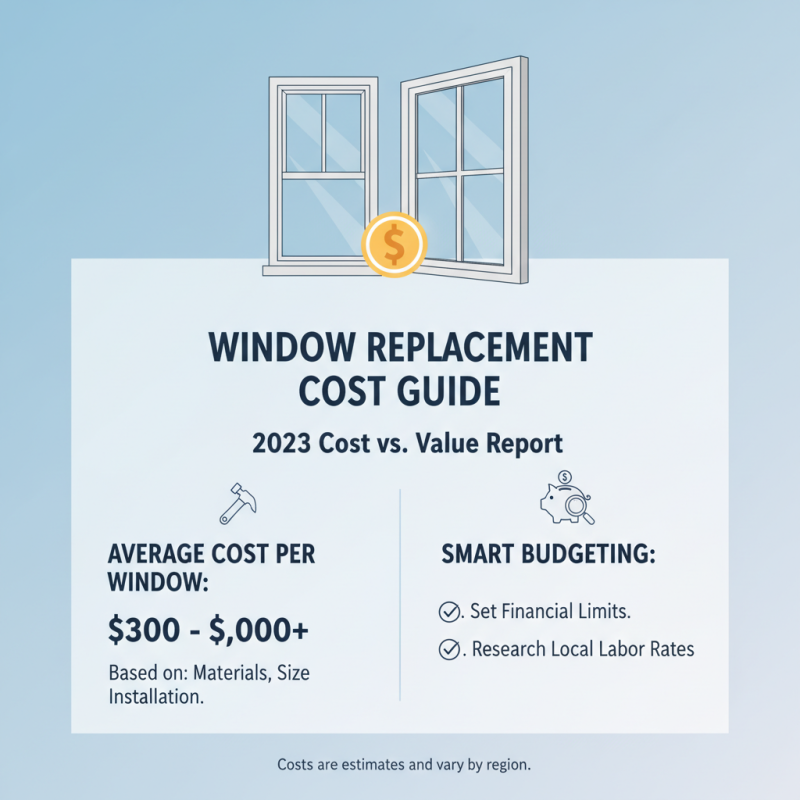
Choosing windows for your home can be challenging, especially when it comes to budgeting. According to the Remodeling 2023 Cost vs. Value report, the average cost of window replacement can range from $300 to $1,000 per window. This price varies based on materials, size, and installation complexity. It's essential to assess your financial limits upfront. Research local labor rates, as they can differ significantly.
When considering costs, don't forget potential energy savings. Well-sealed windows can reduce heating and cooling expenses. The U.S. Department of Energy suggests that homeowners can save up to 15% on energy bills by choosing energy-efficient replacements. Consider this as an investment in your home's future.
The right selection process matters greatly. First, evaluate your home's needs and style. Does it need a change? Too often, homeowners overlook aesthetics. Think about durability and maintenance as well. Vinyl windows may be cheaper but could require replacements sooner. Combine practicality with your vision. Understanding all aspects of your choices will help avoid costly mistakes later.