Blog
How to Choose Double Glazed Windows?
Choosing double glazed windows is not simply a matter of selecting the thickest glass or the lowest advertised price. The right choice depends on your home’s age, orientation, frame material, ventilation, and local climate. A south-facing bedroom may need solar control glass, while a shaded hallway may benefit more from maximum insulation. Small details matter. Spacer bars, seals, drainage paths, and installation quality can influence comfort as much as the glass itself.
Building-performance researcher Dr Richard Fitton offers a useful principle: “A window must be judged in the context of the whole building.” That advice is easy to overlook. A window with an impressive U-value can still perform poorly if installers leave gaps around the frame. Ask for the complete window specification, not only the centre-pane figure. Check the whole-window U-value, solar factor, acoustic rating, frame material, warranty, and certification.
There is no perfect window for every property. That is the uncomfortable part. A premium specification may deliver limited value in a poorly insulated room. Meanwhile, a cheaper unit may create condensation or draught problems after a rushed installation. Compare written quotations carefully. Look for clear measurements, glass composition, hardware details, removal costs, and aftercare. This guide explains how to weigh those factors before choosing double glazed windows. It also questions popular claims, because better performance often comes from balanced decisions rather than impressive numbers.
Understanding Double Glazed Window Structure and Benefits
How to Choose Double Glazed Windows?
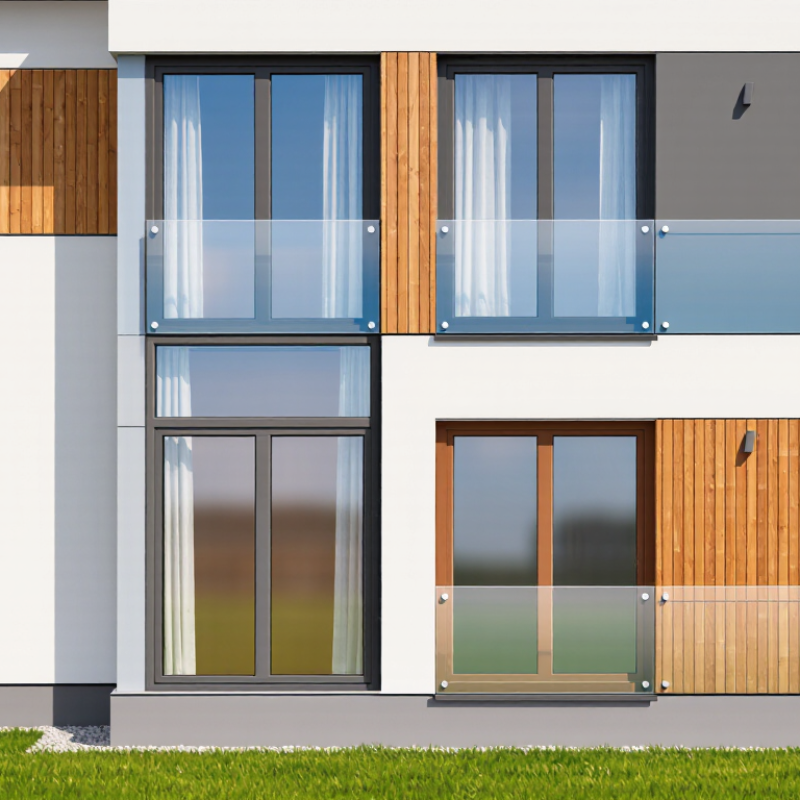
Understanding Double Glazed Window Structure and Benefits
A double glazed window contains two glass panes separated by a sealed spacer. The cavity usually holds dry air or argon gas. Low-emissivity coatings can reduce radiant heat transfer through the glass. The frame matters too. A strong glass unit performs poorly when the frame leaks air or conducts heat quickly.
A small detail is easy to miss. The spacer should limit condensation around the glass edges. Warm-edge spacers often improve edge temperatures and reduce moisture risk. On site, installers should check frame alignment, drainage paths, and seal continuity. These details affect comfort more than attractive brochures suggest.
The U.S. Department of Energy estimates that windows account for about 25–30% of residential heating and cooling energy use. This figure explains why glass selection deserves careful attention. NFRC guidance recommends comparing whole-window U-factors, not glass-only values. Lower U-factors generally indicate better insulation. Solar heat gain coefficient also matters, especially in hot or strongly sunlit rooms.
For bedrooms, a lower U-factor can help maintain steadier night-time temperatures. For south-facing rooms, excessive solar gain may create uncomfortable afternoon heat. Acoustic performance depends on pane thickness, spacing, and installation quality. A higher specification is not automatically better for every room. I would question any quotation that lists “argon filled” without U-factor, air leakage, and installation details. Manufacturers sometimes make the glass sound clever. The frame and fitting still decide much of the result.
Assessing Your Home’s Insulation, Lighting, and Ventilation Needs
Choosing double glazed windows should begin with your rooms, not a catalogue. Walk through the house on a cold morning. Note draughts, cold glass, and condensation around frames. A north-facing bedroom may need stronger insulation, while a sunny living room may need solar control. Record each window’s direction, size, shading, and condition. Small details matter.
Effective glazing reduces heat loss, but tighter windows can reveal weak ventilation. Check whether kitchens and bathrooms have working extract fans. Look for trickle vents or another controlled air path. Without airflow, moisture may settle on colder walls, even with efficient glazing. Ask a qualified installer to assess U-values, solar heat gain, frame condition, and installation tolerances. Request these details in writing. Do not rely on glass alone.
Lighting needs equal attention. Large south-facing windows can brighten a room, but summer glare may damage fabrics and overheat furniture. Low-emissivity coatings can change warmth and daylight, so compare technical data with the room’s actual use. I once underestimated afternoon glare in a home office; the screen became difficult to read by three o’clock. That mistake changed my approach. Check daylight at different times, and consider blinds, trees, or external shading. A careful assessment may feel slower, but it prevents choosing efficient windows that make the room uncomfortable.
How to Choose Double Glazed Windows? - Assessing Your Home’s Insulation, Lighting, and Ventilation Needs
| Assessment Area | Home Condition or Need | Useful Performance Metric | Suggested Double-Glazing Characteristics | Practical Benefit |
|---|---|---|---|---|
| Insulation | Cold rooms, noticeable draughts, or condensation on the inside pane during winter | Whole-window U-value; lower values indicate better heat insulation | Low-emissivity coated glass, sealed insulating spacer, and a whole-window U-value around 1.4 W/m²·K or lower where suitable | Reduces heat transfer and improves interior surface temperature |
| Solar Heat Control | Large windows facing south, west, or an exposed sunny elevation | Solar Heat Gain Coefficient (SHGC); lower values admit less solar heat | Select a lower-SHGC glass where summer overheating is a concern; combine it with external shading where possible | Helps limit unwanted summer heat without relying only on air conditioning |
| Natural Lighting | Dark rooms or windows shaded by nearby buildings, trees, or deep overhangs | Visible Transmittance (VT); higher values generally allow more daylight through | Choose clear or high-VT insulating glass, provided glare and solar gain remain acceptable | Increases daylight and may reduce the need for electric lighting during the day |
| Glare Management | Bedrooms, offices, or living spaces with strong direct sunlight or screen reflections | Daylight level, glare exposure, and window orientation | Balance VT with blinds, curtains, louvers, or external shading instead of selecting very dark glass by default | Improves visual comfort while preserving useful natural light |
| Ventilation | Bathrooms, kitchens, bedrooms, or rooms that feel humid or stuffy | Openable area, controllability, and background ventilation provision | Use safely operable opening sections, trickle vents where required by local regulations, and dedicated extractor fans for wet rooms | Supports controlled fresh-air supply and moisture removal |
| Condensation Control | Frequent moisture on glass, frames, reveals, or surrounding walls | Indoor relative humidity, surface temperature, and ventilation performance | Use thermally improved frames and warm-edge spacers, while maintaining adequate heating and ventilation | Reduces cold-surface moisture risk; replacement windows alone cannot correct all humidity problems |
| Noise Reduction | Home is near a busy road, railway, commercial area, or other persistent noise source | Weighted sound reduction index, commonly expressed as Rw or STC depending on the standard | Consider laminated acoustic glass, different pane thicknesses, a well-sealed frame, and professionally sealed installation | Reduces external noise; performance depends on the complete window and installation |
| Climate and Orientation | Different elevations experience different levels of winter heat loss and summer solar exposure | Local heating and cooling demands, compass orientation, shading, and window-to-wall ratio | Specify glass by elevation rather than using one identical specification for every window | Creates a more balanced result between winter insulation, daylight, and summer comfort |
| Installation Quality | Older openings, uneven masonry, or signs of water and air leakage around existing frames | Air leakage, water penetration, frame alignment, and continuity of perimeter seals | Use correctly sized units, continuous weather and air seals, insulated gaps, and appropriate drainage paths | Protects the rated window performance and helps prevent draughts, leaks, and premature failure |
Note: U-value, SHGC, VT, and acoustic ratings should be compared using the same test standard and should reflect the complete window assembly, including the frame. Ventilation changes should comply with applicable local building and safety requirements.
Choosing Glass Types, Frame Materials, and Energy Ratings
How to Choose Double Glazed Windows?
Choosing the right glass type affects comfort, daylight, and heating costs. Low-emissivity glass reflects indoor heat back into the room. It can also reduce fading on wooden floors and furniture. In colder areas, argon-filled units improve insulation between the panes. However, large south-facing windows may need solar-control glass. Otherwise, summer rooms can become uncomfortably warm. Glass choice should match the building’s direction and local climate.
Frame materials matter just as much. uPVC frames are practical, affordable, and require little maintenance. Timber frames feel warmer and suit traditional homes, but they need regular care. Aluminium frames are slim and strong, though they require effective thermal breaks. Ask about the frame’s thermal performance, not only its appearance. I once focused too heavily on glass ratings and underestimated cold edges around the frame. That was a useful, if expensive, lesson.
Tips: Compare the whole window’s U-value, not the glass alone. Check the energy label and installation details. A high-rated window can perform poorly with gaps around the opening. Look for warm-edge spacers and strong weather seals. Request written specifications from a qualified installer. Ratings may differ between countries, so confirm the local testing standard. There is no perfect window. Balance insulation, ventilation, sunlight, maintenance, and budget before choosing.
Comparing Window Features, Sizes, Styles, and Security Options
Choosing double glazed windows starts with performance, not appearance. The U.S. Department of Energy’s Energy Saver guidance estimates that windows can cause 25–30% of residential heating and cooling energy use. Glass specification matters. Low-emissivity coatings reduce radiant heat transfer, while argon-filled gaps improve insulation. However, better insulation can increase indoor heat retention during summer.
Measure carefully. A wide window brings daylight and wider views, but it may also increase solar gain and heat loss. Check the window’s U-value and solar heat gain coefficient, especially for south-facing rooms. The National Fenestration Rating Council recommends comparing certified ratings rather than relying on sales descriptions. That approach feels less exciting, but it is safer.
Style affects ventilation and security. Casement windows often provide strong seals, while sliding styles save space. Tilt-and-turn designs offer controlled airflow, though their hardware needs regular adjustment. For security, consider laminated inner glass, reinforced frames, multipoint locks, and lockable ventilation positions. Toughened glass improves impact resistance, but it is not a complete security solution.
Tips: Ask for the whole-window U-value, not only the centre-glass figure. Confirm the opening size on site. My own mistake was choosing larger glazing before checking summer overheating. The room looked brighter, but it became uncomfortable. Review drainage, hinge quality, and emergency access with a qualified installer. Some details are easy to overlook.
How to Choose Double Glazed Windows?
Compare glazing features, practical window sizes, opening styles, and security options before selecting a double glazed window.
Lower U-values indicate better thermal insulation. The figures shown are typical center-of-glazing values in W/m²K; whole-window performance also depends on the frame, spacer, installation, and window size.
Glazing Features
Clear double glazing with an air gap commonly has a center-glazing U-value around 2.7 W/m²K. Low-emissivity glass with argon filling can reduce this to approximately 1.1 W/m²K.
Sizes
Typical residential window modules range from about 600 × 900 mm for smaller openings to approximately 1200 × 1500 mm for larger rooms. Final dimensions should be based on the structural opening and ventilation requirements.
Styles
Casement windows usually provide strong ventilation and an effective seal. Tilt-and-turn windows offer inward opening for cleaning and controlled ventilation, while sliding windows save interior space but may have different air-sealing performance.
Security Options
Consider laminated or toughened safety glass, lockable handles, multipoint locking systems, reinforced frames, and opening restrictors where appropriate. Security performance should be checked against the applicable local standard.
Evaluating Installation Quality, Maintenance Needs, and Overall Cost
How to Choose Double Glazed Windows?
Evaluating Installation Quality, Maintenance Needs, and Overall Cost
A well-made window can still perform poorly after careless installation. Check whether the installer measures each opening accurately. Small gaps may cause drafts, condensation, and outside noise. Ask how the frame will be sealed around the wall. Foam alone is not always enough. A durable installation usually combines insulation, weatherproof tape, and careful internal finishing. Request written details about warranties and repair responsibilities. Clear paperwork matters.
I learned this after seeing condensation around a newly fitted frame. The glass was sound, but the surrounding seal was uneven. It looked minor. It was not. Ask to inspect previous work, especially corners and opening edges. Look for straight frames, smooth handles, and clean drainage channels. Experience helps, but even experienced installers can miss details.
Maintenance is usually simple, but not completely absent. Clean the glass with mild soap and check seals twice yearly. Hinges and locking points may need occasional lubrication. Avoid abrasive products. Replacement seals can become an unexpected expense, especially with unusual frame sizes. Compare the full cost, including delivery, removal, finishing, ventilation changes, and future repairs. A cheaper quote may exclude important work. Energy savings also depend on room heating, window orientation, and household habits. I once focused too heavily on the purchase price and underestimated finishing costs. That mistake changed how I compare quotes now.
Related Posts
-
Best 10 Construction Windows for Energy Efficiency in 2023 with Expert Insights
-
Why Choose Picture Windows for Your Home Improvement Needs?
-
How to Choose the Best Hopper Window for Your Needs?
-
What Are the Benefits of Double Hung Windows for Your Home?
-

Top 10 Windows and Doors Trends You Should Know About?
-
2026 Best Long Windows and Doors Types for Your Home?