What is the Importance of Large Windows in Modern Architecture?
In modern architecture, the presence of large windows has become a defining feature. Renowned architect Sarah Williams once stated, "Large windows create a dialogue between interior spaces and the world outside." This perspective highlights the significance of natural light and outdoor views in design.
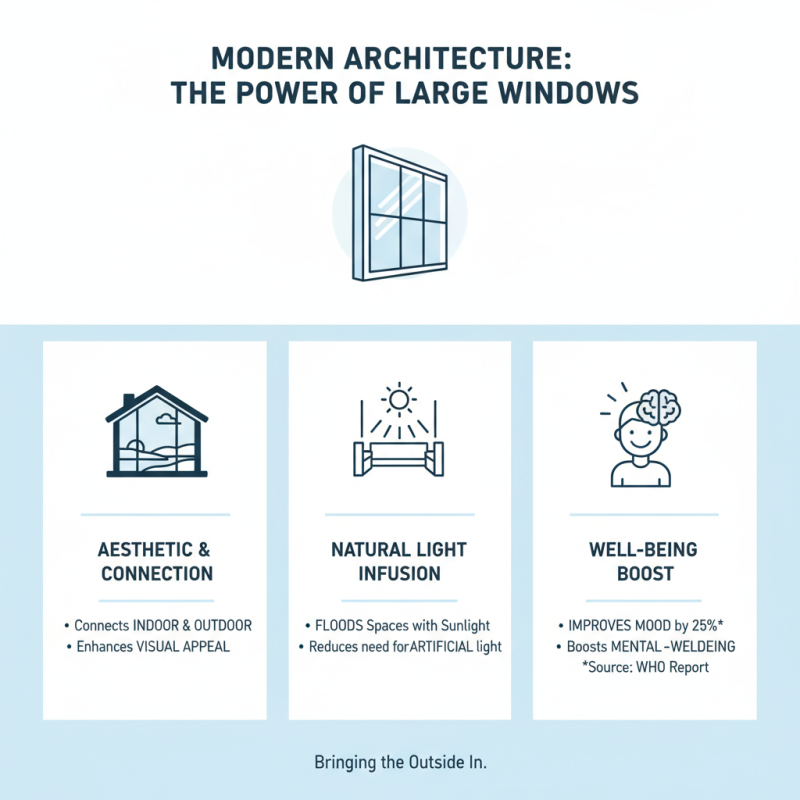
Large windows not only enhance the aesthetic appeal of a building but also impact its energy efficiency. They allow for ample sunlight, reducing the need for artificial lighting during the day. However, the placement of large windows can be challenging. They must balance privacy concerns and energy loss.
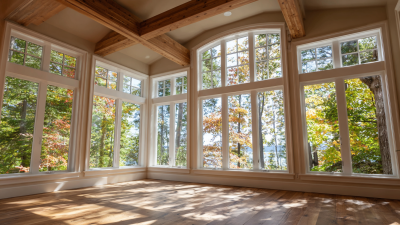
The allure of large windows is undeniable. They provide a sense of openness and connection to nature, offering breathtaking views. Yet, homes with large windows may face issues like excessive heat gain or glare during certain times of the year. Embracing large windows requires thoughtful design to overcome these drawbacks while maximizing their benefits.
The Role of Large Windows in Enhancing Natural Light in Architecture
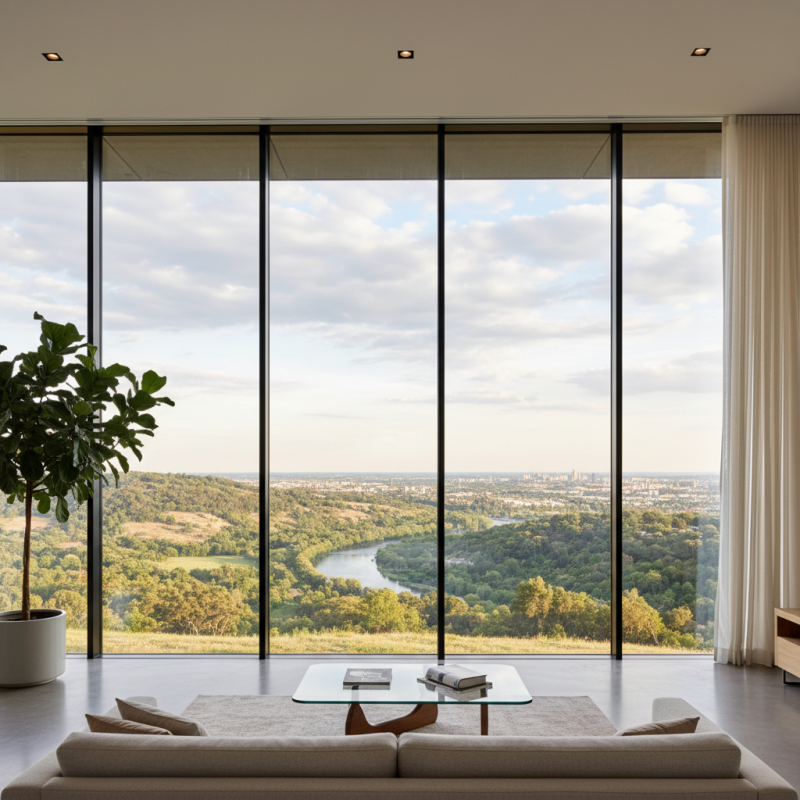
Large windows play a vital role in modern architecture, particularly in enhancing natural light within spaces. Natural light affects mood and productivity, making it a key consideration in design. Studies show that spaces with abundant daylight can increase overall well-being. For instance, a report from the Design Lighting Consortium found that well-lit environments can improve concentration by up to 15%. This underscores the significance of large windows in offices and homes alike.
TIP: Consider the orientation of your windows. South-facing windows capture maximum sunlight during the day. Avoid overhanging eaves that could block light. Each window's placement impacts the brightness of your interiors significantly.
However, relying solely on large windows can lead to challenges. Excessive sunlight can increase heat levels, necessitating more cooling systems. There's also the issue of glare, which can be distracting. A balance must be struck. Integrating window treatments or using tinted glass can mitigate these problems. It’s essential to reflect on how much light is truly needed and how it can be managed effectively.
TIP: Think about using smart glass technology. This innovative approach allows windows to adjust their tint based on sunlight intensity. It offers a dynamic solution to light management while retaining aesthetic appeal.
Impact of Large Windows on Energy Efficiency and Sustainability in Buildings
Large windows are a significant trend in modern architecture. They enhance natural light, thus reducing dependence on artificial lighting. The U.S. Department of Energy states that careful use of windows can reduce energy consumption for lighting by up to 20%. This allocation makes spaces feel larger and more inviting. However, this benefit does come with its challenges.
Despite the energy savings, large windows can lead to excessive heat gain in warmer months. A study from the National Renewable Energy Laboratory highlights that without proper shading, buildings can overheat. In some cases, cooling costs may increase by 30% due to poor window placement or lack of insulation. Therefore, the design must balance light and temperature control.
Moreover, large windows may contribute to a higher carbon footprint if not properly designed. Architects must consider the materials used. For example, high-performance glazing can minimize heat loss. According to the International Energy Agency, buildings account for nearly 40% of global energy consumption. Thus, integrating energy-efficient features in large windows is essential for sustainability in buildings. Balancing aesthetics and functionality remains a critical challenge.
Psychological Benefits of Large Windows: Connection to Nature and Well-Being
Large windows have become a hallmark of modern architecture. They provide more than just aesthetic appeal. These openings connect indoor spaces to the outside world, allowing natural light to flood in. Studies show that natural light significantly impacts mental well-being. In fact, according to a report by the World Health Organization, natural light exposure can improve mood by 25%.
Psychologically, having a view of nature contributes to reduced stress levels. Research indicates that people with access to greenery report lower anxiety and higher happiness. Nature views enhance creativity, too. A study published in the Journal of Environmental Psychology found that participants performed better on creative tasks when they could see nature.
**Tips**: Consider adding large windows to your home or office. Choose to overlook gardens or parks. Even small windows can provide glimpses of nature. Ensure your design allows for adequate sunlight without causing glare. Remember, while large windows can boost well-being, they also require reflections on privacy and heating during summer. Balancing these factors is key to building a harmonious space.
Design Considerations: Balancing Aesthetics and Functionality of Large Windows
Large windows are a hallmark of modern architecture. They usher in natural light, enhancing aesthetic appeal. According to a study by the American Institute of Architects, 70% of homeowners prefer homes with ample natural light. This preference underscores a significant design consideration. When large windows blend beautifully with the overall design, they create a harmonious living space. However, achieving this balance can be challenging.
Functionality is also crucial. Large windows can lead to energy inefficiencies if not designed well. A report from the Department of Energy highlights that poorly insulated windows can account for 25-30% of a building's heating and cooling costs. Architects must assess window placement and glazing options carefully. Reflective coatings or thermal breaks might be necessary. It’s essential to think beyond aesthetics and focus on energy efficiency. While large windows offer beauty and views, they require thoughtful integration into the structure. This dual focus can often conflict, making the design process complex.
Trends in Modern Architecture: The Shift Toward Open and Bright Spaces
Large windows have become a hallmark of modern architecture. They let in natural light and create a sense of openness. The shift toward open and bright spaces reflects a growing desire for connection with the outdoors. This trend promotes well-being and enhances mood.
Tips: Consider the orientation of your windows. South-facing windows capture more sunlight. This can help with heating in winter and create a warm atmosphere. Think about the glass type too. Double-glazed windows improve insulation.
Designing open spaces can be challenging. You may face issues like maintaining privacy or dealing with noise. Large windows can make a room feel larger, yet they may also expose you to the outside world. Balancing visibility and comfort is crucial. Don't overlook shading options. They provide relief from the sun while preserving views.
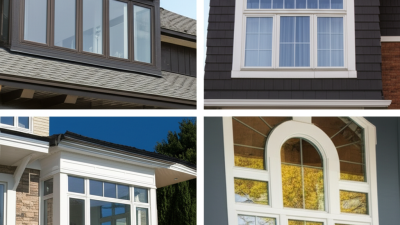
Another aspect to think about is the style of the windows. They should complement your building's overall design. This can be tricky, especially in older neighborhoods. It's essential to ensure that new large windows respect the surrounding architecture.
The Importance of Large Windows in Modern Architecture
As architecture trends shift towards open and bright spaces, the integration of large windows has become increasingly significant. This chart illustrates the percentage of architects who believe large windows enhance various aspects of building design.