What is Tempered Laminated Glass and Its Benefits for Buyers?
Tempered Laminated Glass is a remarkable innovation in modern construction and design. It combines safety and aesthetics, making it a popular choice among homeowners and builders alike. This type of glass features multiple layers, bonded together, offering enhanced security and durability. Unlike regular glass, it breaks into small, less harmful pieces, reducing the risk of injury.
One major benefit of Tempered Laminated Glass is its ability to withstand extreme weather conditions. This makes it an excellent option for coastal homes or areas prone to storms. Additionally, its sound-dampening qualities can create a peaceful atmosphere indoors. Buyers often appreciate its energy efficiency, contributing to lower heating and cooling costs.
While Tempered Laminated Glass offers many advantages, it's essential to consider installation challenges. Skilled professionals should handle the installation to ensure safety and performance. Potential buyers must also weigh the initial cost against long-term benefits. Investing in this glass can lead to a safer, more stylish home.
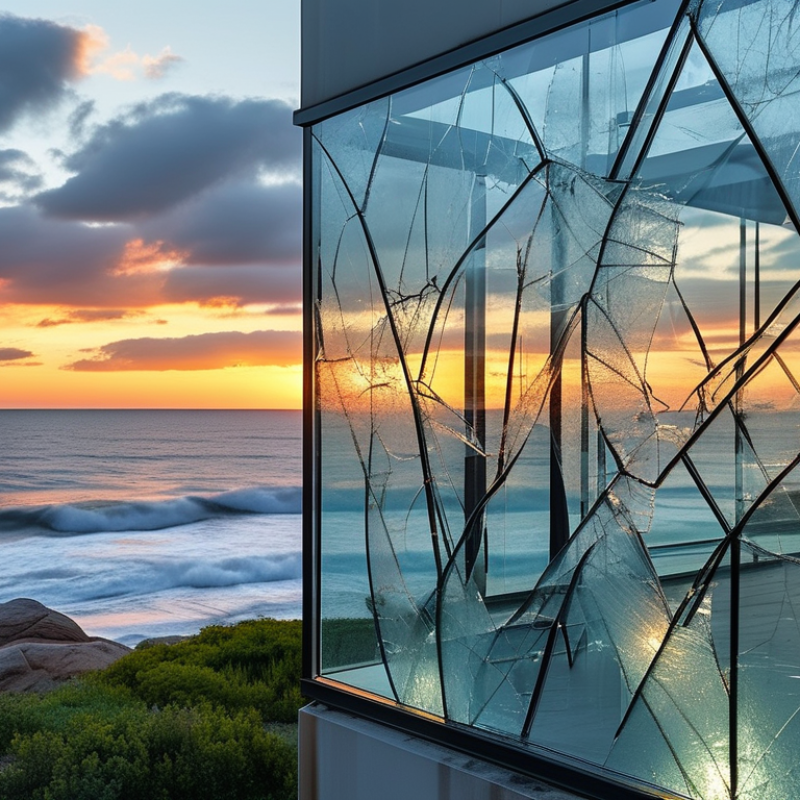
Definition and Composition of Tempered Laminated Glass
Tempered laminated glass is a safety glass made by sandwiching a layer of polyvinyl butyral (PVB) between two layers of tempered glass. This composition enhances its strength and safety. The laminated layer holds shattered glass pieces together, minimizing injury from sharp shards. Research indicates that it can be up to five times stronger than standard glass when tested against impact forces.
In terms of performance, tempered laminated glass significantly reduces ultraviolet (UV) rays penetration by around 99%. This characteristic protects furnishings and interiors from fading. Additionally, the sound insulation properties are commendable. A well-designed tempered laminated glass can reduce outdoor noises by approximately 30 to 35 decibels. However, the initial cost may deter some buyers. The investment is usually justified by long-term durability and energy efficiency.
Safety standards have evolved, emphasizing the importance of using tempered laminated glass in construction. According to industry reports, buildings with this type of glass experience fewer injuries from accidents or extreme weather events. It is also essential to ensure proper installation. Poor installation may undermine the glass's inherent benefits. Each project requires careful assessment of the glass type to align with safety regulations and aesthetic goals.
Manufacturing Process of Tempered Laminated Glass
Tempered laminated glass is renowned for its durability and safety features. The manufacturing process is crucial to achieving these benefits. Initially, two or more layers of glass are cut to the desired size. These layers are meticulously cleaned to remove any impurities. After cleaning, a specialized interlayer, often made of polyvinyl butyral (PVB), is placed between the glass sheets. This interlayer adds strength and flexibility.
The next step involves heating the glass layers in an autoclave. This process increases the temperature and pressure, a critical stage that ensures proper adhesion between the glass and interlayer. Upon cooling, the laminated glass undergoes tempering. During tempering, the glass is reheated and then cooled rapidly. This process enhances its strength, making it more resistant to external forces.
While the manufacturing appears straightforward, factors like temperature variations can impact the final product. A slight miscalculation in heating can lead to defects. It's essential to maintain precise control throughout the process. The balance of heat and pressure is vital. Each detail must be executed with care to produce glass that meets safety standards while enhancing structural integrity. These complexities highlight the importance of skilled labor in this field.
Key Benefits of Tempered Laminated Glass for Homeowners
Tempered laminated glass is a popular choice among homeowners seeking durability and safety. This type of glass features a special lamination technique, which combines tempered glass layers. The result is a product that withstands impact and extreme temperatures. One of the key benefits is enhanced safety. If broken, the glass does not shatter into sharp pieces, reducing the risk of injury.
Another advantage of tempered laminated glass is its energy efficiency. This glass can help insulate your home, keeping it cooler in summer. Homeowners often notice a reduction in energy bills due to better thermal performance. This can lead to long-term savings, which is essential for many families.
**Tips:** When choosing glass for your home, think about your specific needs. Make sure to consult with a professional for installation advice. Consider aesthetics as well; many designs can enhance your home's exterior. Also, reflect on maintenance requirements; cleaning might be more demanding than regular glass. Choose wisely, as this investment can significantly impact comfort and safety.
Applications of Tempered Laminated Glass in Architecture and Design
Tempered laminated glass combines strength and safety, making it a popular choice in architecture and design. This type of glass consists of multiple layers, featuring a laminated interlayer that adds to its durability. In commercial buildings, architects increasingly utilize tempered laminated glass for facades, allowing natural light while reducing energy costs. According to a recent report from the Glass Association, using high-performance glass can cut energy consumption by up to 30%.
In residential design, large tempered laminated glass panels serve as elegant entryways and stunning views. These panels not only enhance aesthetics but also provide sound insulation and UV protection. The National Institute of Standards and Technology notes that tempered laminated glass can withstand significant impacts, making it ideal for busy urban areas. However, despite its strength, there is a risk of thermal stress leading to cracks, especially in poorly designed buildings. Thus, thorough analysis during the design phase is critical.
The applications extend beyond merely functional. In modern design, tempered laminated glass creates open spaces that blend indoor and outdoor environments. Designers appreciate its versatility, allowing for creative custom shapes. Yet, it is essential for architects to remain aware of potential drawbacks. Overreliance on glass can lead to overheating if not balanced with other materials. Awareness of these factors ensures the successful integration of tempered laminated glass in contemporary architecture.
Comparing Tempered Laminated Glass with Other Glass Types
Tempered laminated glass is gaining attention for its unique properties. Compared to standard tempered glass, it combines the safety of laminated glass with the strength of tempered glass. This type reduces the risk of shattering. When broken, it stays intact, minimizing injury and property damage. Research indicates that laminated tempered glass can resist impact better than standard glass by up to 50%.
When comparing glass types, tempered glass is known for its thermal resistance. However, it lacks the same level of safety as laminated glass. Regular laminated glass does not withstand impact as well as tempered laminated glass. A report from the Glass Association highlights that tempered laminated glass performs better in high-stress situations, such as in hurricane-prone areas.
Tips: Consider your environment. If your building is in a high-traffic area or has safety concerns, tempered laminated glass is a wise choice. It not only protects but also enhances aesthetic appeal. Evaluate installation costs; they can vary significantly. Lastly, remember to check for certifications to ensure compliance with safety standards.
Comparison of Different Glass Types