Top Tips for Choosing Exterior Windows for Your Home?
Choosing the right exterior windows for your home can significantly impact energy efficiency, aesthetics, and resale value. According to the 2022 Window and Door Market Report, up to 30% of a home’s energy loss can be attributed to inefficient windows. This highlights the importance of selecting high-quality options that enhance comfort and reduce utility bills. Industry expert John Harmon, a leading figure in energy-efficient design, emphasizes, "Investing in the right exterior windows today can lead to substantial savings tomorrow."
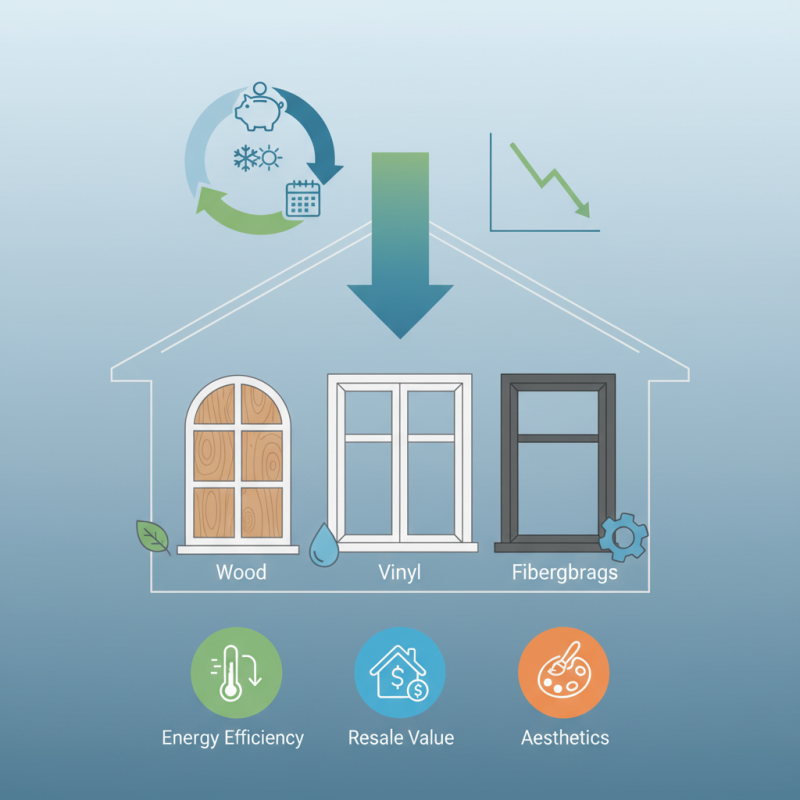
When considering exterior windows, factors such as materials, styles, and insulation ratings are crucial. Vinyl, wood, and fiberglass each offer unique benefits. Vinyl is low-maintenance and cost-effective, while wood provides timeless beauty. Fiberglass windows are known for their strength and energy efficiency. The choice you make must align with your home's design and climate.
Many homeowners overlook the long-term benefits of proper window selection. Some may choose based solely on price, neglecting energy ratings and durability. This oversight could lead to higher costs later. Making informed decisions about exterior windows will ensure you enjoy your investment for years to come.
Understanding Your Home's Style and Architecture
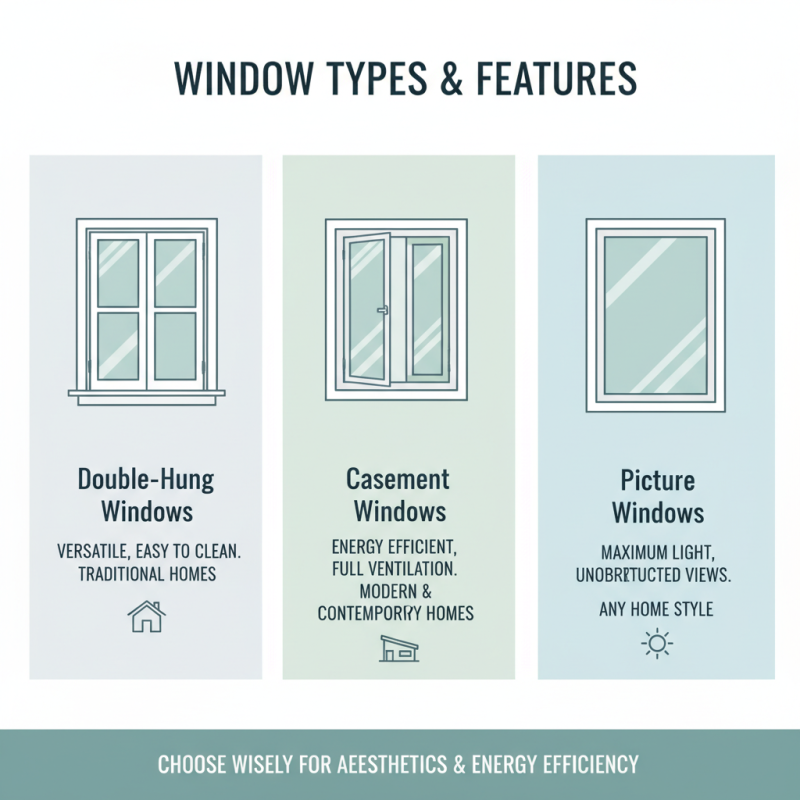
When selecting exterior windows, it's crucial to consider your home's specific style and architecture. Factors such as the architectural era, local climate, and unique features fundamentally shape your choices. For example, traditional homes may benefit from double-hung windows that maintain classic aesthetics. Meanwhile, modern designs often favor sleek, minimalistic casement windows that complement larger open spaces.
A report from the American Institute of Architects states that window styles can influence energy efficiency and overall home value. Houses designed in a craftsman style, for instance, typically use wooden frames which contribute to better insulation. Conversely, contemporary homes may capitalize on aluminum frames with larger glass areas, improving natural light while impacting thermal performance. Notice the balance of functionality and style; too much emphasis on one can yield regrettable choices.
Lastly, homeowners should explore local regulations and neighborhood norms. Failing to adhere to guidelines may lead to costly changes down the line. While personal preference is key, aligning your window selection with architectural integrity fosters long-term satisfaction and ensures your home reflects its unique character.
Evaluating Energy Efficiency Ratings for Windows
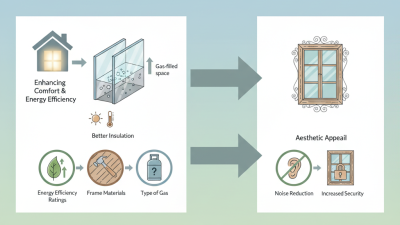
When selecting exterior windows, energy efficiency ratings play a crucial role. The National Fenestration Rating Council (NFRC) provides reliable data on window performance. This includes U-factor, Solar Heat Gain Coefficient (SHGC), and Visible Transmittance (VT). Windows with a low U-factor indicate better insulation. A low SHGC means less solar heat enters, which can save on cooling costs.
Look for windows with ENERGY STAR labels. These meet strict energy efficiency guidelines set by the U.S. Environmental Protection Agency. A study by the Department of Energy found that ENERGY STAR windows can reduce energy bills by 7-15%. This significant savings makes investing in energy-efficient windows worthwhile.
Consider the climate of your area. In warmer climates, prioritize windows with low SHGC. In cooler regions, you may need windows that trap heat effectively. Rethink window placement; larger windows can increase heat loss. Sometimes, aesthetics should take a backseat to energy efficiency. Overall, understanding energy ratings can guide you to make informed decisions.
Top Tips for Choosing Exterior Windows for Your Home - Evaluating Energy Efficiency Ratings for Windows
| Window Type |
U-Value (W/m²K) |
Solar Heat Gain Coefficient (SHGC) |
Energy Star Rated? |
Average Cost ($) |
| Double Glazed |
1.1 |
0.30 |
Yes |
300 |
| Triple Glazed |
0.8 |
0.25 |
Yes |
500 |
| Vinyl Windows |
1.2 |
0.32 |
Yes |
250 |
| Wood Clad |
1.4 |
0.28 |
Yes |
600 |
| Aluminum Windows |
1.5 |
0.35 |
No |
400 |
Choosing the Right Materials for Durability and Aesthetics
Choosing the right materials for your exterior windows can significantly influence your home’s
durability and aesthetics.
Vinyl, wood,
and fiberglass are popular options.
Vinyl is low maintenance and offers excellent insulation.
However, it can fade over time. Wood provides a classic, timeless look
but requires regular upkeep to protect against rot and pests.
Fiberglass offers strength and energy efficiency,
but it may be more expensive.
Consider your regional climate when selecting materials. For example, homes in areas with extreme weather
should have windows designed for resilience. Additionally, pay attention to energy efficiency ratings.
They play a crucial role in helping you save on utility bills.
Sticking with popular trends can sometimes lead to regrettable choices.
Black window frames, though modern, might not suit every home’s style.
It’s essential to consider the overall aesthetic and choose materials that blend seamlessly with your architecture.
Reflecting on your priorities, be it durability, cost, or style, is vital to making the best choice for your home.
Exploring Different Window Types and Their Features
When choosing exterior windows, it’s essential to consider the various types available. Each type offers unique features and benefits that influence your home’s aesthetics and energy efficiency. For instance, double-hung windows are versatile and easy to clean. They work well in traditional homes but might not suit a modern aesthetic.
Casement windows are another option. They open outward, providing excellent ventilation. This type is ideal for hard-to-reach areas. However, their protruding design can be a concern in high-wind areas. Sliding windows offer seamless transitions between indoor and outdoor spaces but can be less energy-efficient than other types.
When selecting windows, it's crucial to assess your specific needs. Consider the climate in your area. High insulation might be necessary for colder regions, while UV protection is vital in sunny areas. Reflecting on your home’s style is also important. Some owners overlook how window styles impact overall curb appeal. Ultimately, your choices should align with both functionality and aesthetic desires.
Considering Installation and Maintenance Requirements
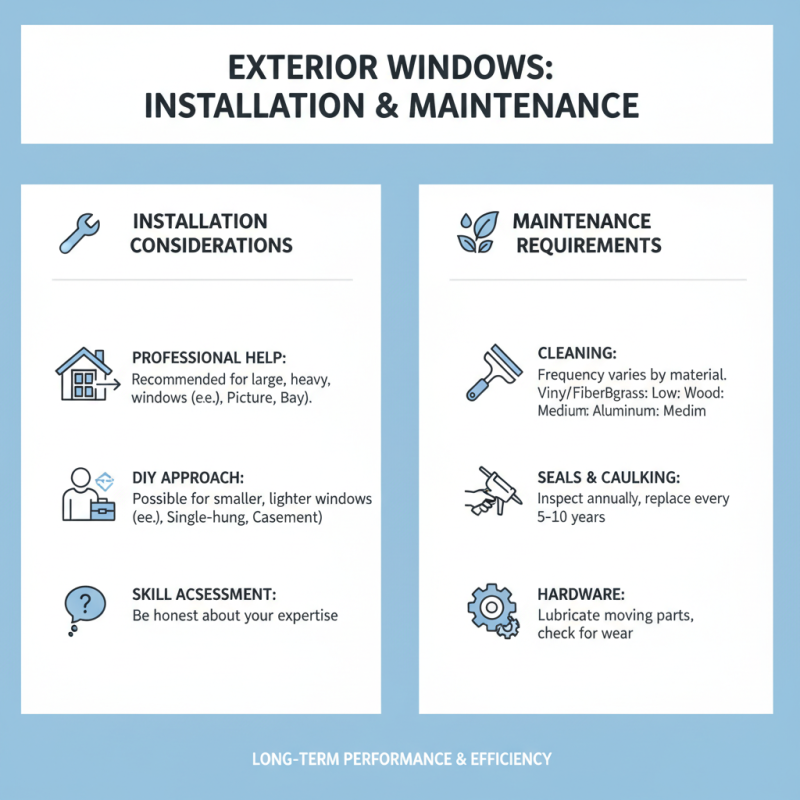
Choosing exterior windows for your home goes beyond aesthetics. Installation and maintenance play a crucial role in the long-term performance of your windows. When selecting your windows, it's essential to consider the complexity of the installation process. Some window types require professional installation due to their weight and size. Others might be simpler for a DIY approach, but can still present challenges. It’s vital to assess your skill level honestly before committing.
Think about future maintenance as well. Some materials, like vinyl or fiberglass, need minimal upkeep, while wood frames require regular painting or sealing to prevent decay. If you lead a busy lifestyle, investing in low-maintenance options might be wiser. Be cautious, as neglecting maintenance can lead to bigger expenses down the line. You want your windows to look great while also functioning well. Research common issues with different materials, so you can prepare for any potential headaches.