Top 10 Windows and Doors Trends You Should Know About?
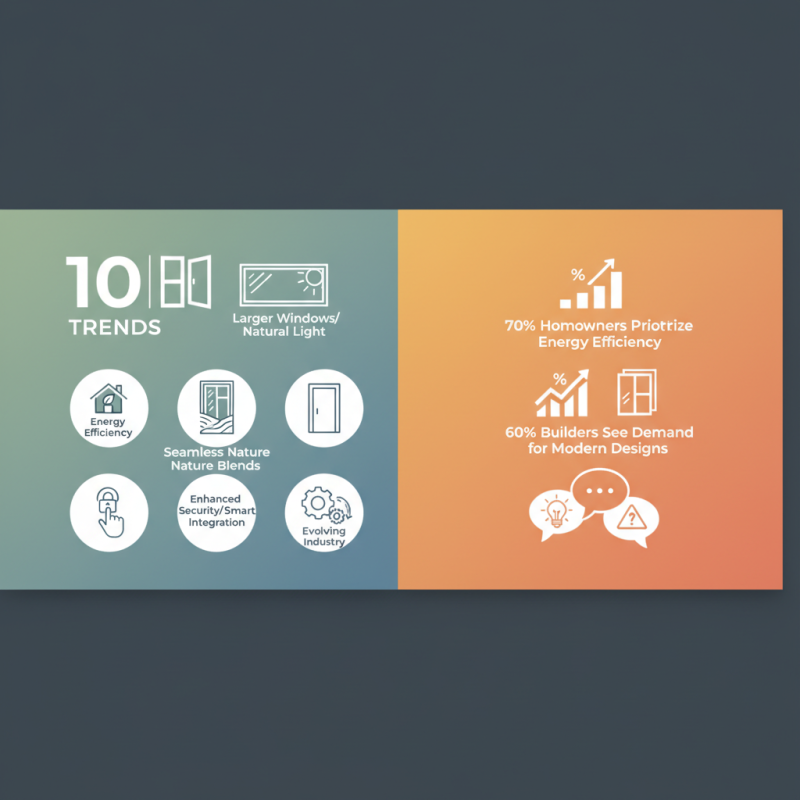
The windows and doors industry is evolving rapidly. Recent reports from the National Association of Home Builders highlight that 70% of homeowners prioritize energy efficiency in their purchasing decisions. This growing trend reflects a broader awareness of sustainability and cost-efficiency. Industry expert Jake Thompson states, "In today’s market, windows and doors are not just functional; they are essential for energy conservation."
Design trends are also changing. Homeowners now prefer larger windows that invite natural light. They seek aesthetics that blend seamlessly with nature. According to the 2023 Building Products Survey, more than 60% of builders notice a rise in demand for modern, minimalist designs. However, there's a challenge. Balancing style and energy efficiency requires innovative solutions.
Accessibility and smart home integration are emerging themes. Many new products feature enhanced security and technology. Yet, not every homeowner is ready for this shift. Overcoming resistance to change remains a hurdle. As the windows and doors landscape continues to shift, staying informed about these trends is crucial.
Latest Material Innovations in Windows and Doors
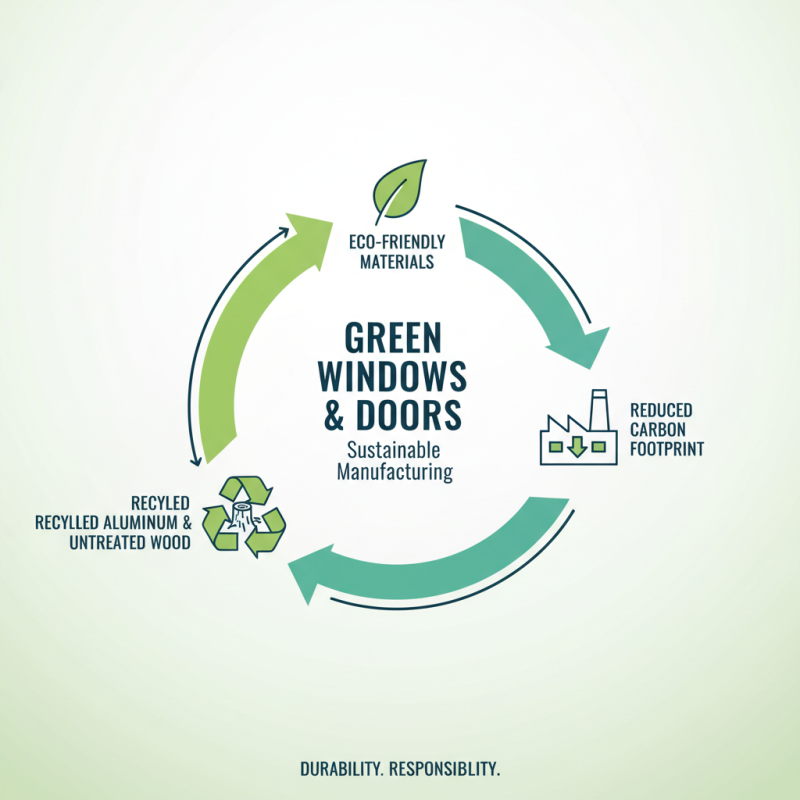
When it comes to windows and doors, innovation is key. Recent material advancements are changing the landscape. For instance, fiberglass has gained popularity. It is strong, energy-efficient, and low-maintenance. Unlike traditional wood, it doesn’t warp or swell. This makes it a solid choice for various climates.
Another trend is the use of aluminum. This material is sleek and modern. It offers durability and aesthetic appeal. Aluminum frames can withstand harsh weather. They come in various colors and finishes. However, they can conduct heat, which might require extra insulation.
One should also consider composite materials. They combine different elements for enhanced performance. This option can provide the warmth of wood with the durability of synthetic materials. Choices abound, yet it’s essential to reflect on the specific needs. Every home is unique, and materials should reflect that. Balancing aesthetics and functionality can be challenging but rewarding.
Energy Efficiency Trends in Modern Window and Door Design
Energy efficiency is a key focus in modern window and door design. Homeowners seek features that help reduce energy bills. Double or triple glazing is becoming standard. These glass options significantly enhance insulation. They trap heat in winter and keep homes cool in summer. Proper framing also plays a role. Materials such as vinyl and fiberglass offer strong thermal performance.
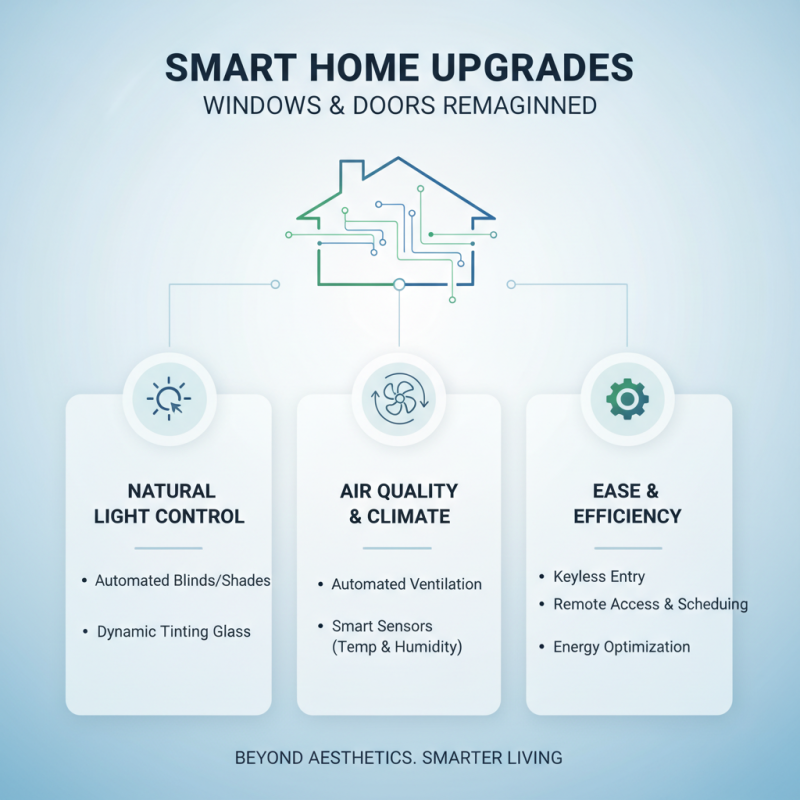
The overall design is equally important. Windows and doors are now crafted for tighter seals. Gaps can lead to drafts and energy loss. Innovative designs like tilt-and-turn doors improve ventilation without compromising efficiency. Smart home technology is another emerging trend. Automated windows can adjust based on temperature or humidity levels.
Yet, some homeowners struggle to understand the full impact of these features. Choosing the right energy-efficient options can be overwhelming. Not every design suits all homes. Costs can also be a hurdle. It’s vital to weigh long-term savings against initial investments. Energy efficiency is not just about technology. It requires careful planning and consideration.
Smart Technology Integration in Windows and Doors
Smart technology is transforming the way we view windows and doors. Homeowners now seek more than aesthetic appeal; they want functionality. Automated systems control everything from natural light to air quality. These innovations can be programmed for efficiency, making life easier and more comfortable.
Imagine opening your windows with just a voice command. Or, using sensors that alert you when a door is ajar. It seems convenient, but it's essential to ensure the technology works flawlessly. Integration issues may arise, leading to inconvenience. Homeowners must ask themselves if they want to rely on such systems as life demands more personal touch at times.
Furthermore, security is a pressing concern. Smart locks and monitoring systems offer peace of mind. However, they also require regular updates and vigilance. A reliance on technology can sometimes backfire. Homeowners might overlook traditional measures that are equally important. Balancing smart technology with classic security needs careful thought and planning. The journey toward a smart home is exciting but requires ongoing reflection.
Aesthetic Shifts: Color and Design Trends for Windows and Doors
Recent trends in windows and doors have shifted dramatically. Color and design have become key factors. For instance, 70% of homeowners now choose neutral colors over traditional white. Shades like gray, black, and deep blues are gaining popularity. These colors can create a modern, sophisticated look, appealing to a broad audience.
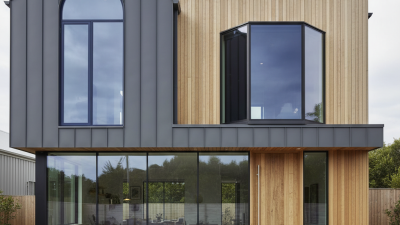
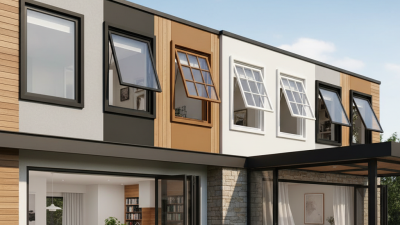
Texture plays a significant role in design choices. Many designers emphasize mixed materials. Combining wood, metal, and glass offers a unique aesthetic. According to industry reports, over 60% of homeowners prefer textured finishes. Such choices lead to a richer visual experience. However, not all combinations work seamlessly. It’s essential to consider the overall architectural style of the home when selecting materials.
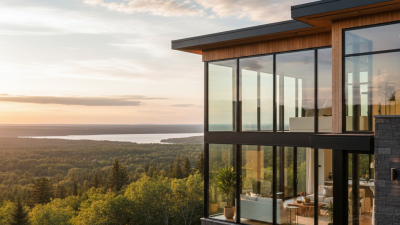
Another interesting shift is the move towards larger windows. Expansive glass panels connect indoor and outdoor spaces. They enhance natural light and improve energy efficiency. Reports indicate that homes with larger windows sell for up to 10% more. However, potential buyers should balance this with privacy concerns. It’s crucial to find the right fit for each unique space.