Blog
Why Choose Double Glazed Glass for Global Sourcing?
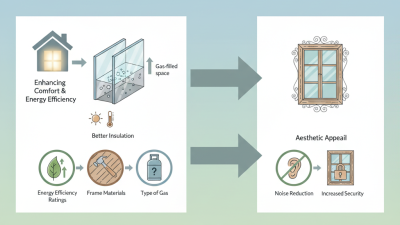
Global sourcing decisions affect comfort, energy use, delivery schedules, and long-term building performance. Double glazed glass has become a practical option for projects requiring better thermal and acoustic control. Its sealed air or inert-gas cavity reduces heat transfer between indoor and outdoor spaces. In winter, it helps retain warmth near the window. In summer, it can limit unwanted solar heat.
The sourcing process needs more than a low unit price. Experienced buyers compare glass thickness, spacer materials, coating types, gas filling, seal quality, and edge protection. A factory should provide clear technical data, inspection records, and samples from current production. Certifications and test reports should be checked against the intended market and project specifications. Standards such as EN 1279 may support quality evaluation, but documents alone cannot replace physical inspection.
Details matter. A damaged corner, weak seal, or poorly protected crate can create costly problems after arrival. Buyers should confirm dimensions, tolerances, packaging methods, lead times, replacement policies, and shipping responsibilities before placing an order. Factory visits, independent inspections, and small trial shipments can reveal practical issues early. That evidence builds trust.
Still, double glazed glass is not a perfect solution for every climate or building design. Incorrect solar-control coatings may reduce useful daylight. Heavy units may also increase frame and installation requirements. Global sourcing can lower costs, yet communication gaps and inconsistent specifications remain real risks. Careful comparison, technical advice, and transparent supplier records help buyers make a more reliable decision. The right choice depends on verified performance, not attractive promises.
What Is Double Glazed Glass?
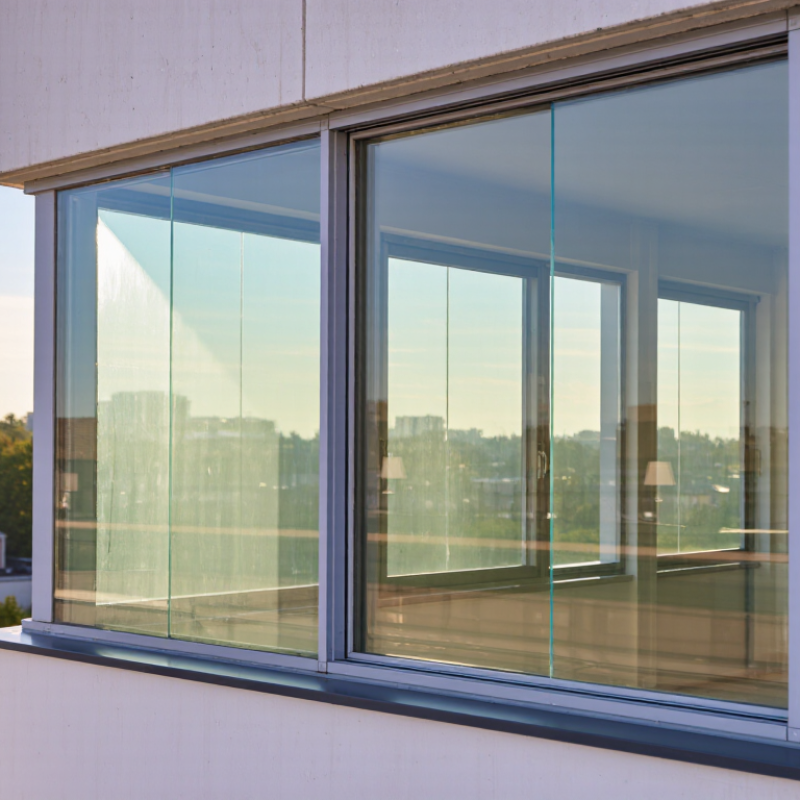
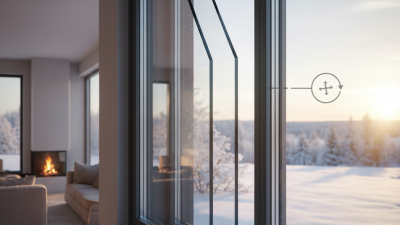
Double glazed glass is an insulated window unit made from two glass panes. A spacer separates the panes around the edges. This creates a sealed cavity between them. The cavity usually contains dry air or an insulating gas, such as argon.
The sealed space reduces direct heat transfer through the window. It can also soften outdoor noise, limit interior condensation, and improve indoor comfort. Low-emissivity coatings may improve thermal performance further. However, performance depends on more than the glass itself. Frame material, spacer quality, seal durability, installation, and local climate all matter.
In global sourcing, buyers should request measurable specifications, not vague claims. Useful details include pane thickness, cavity width, gas filling, coating position, visible light transmission, and thermal values. Test reports should identify the testing method and production date. In practical sourcing work, I would also inspect edge seals and packaging before shipment. Small seal defects can cause moisture between the panes later.
Double glazed glass is not automatically the best choice for every building. A wider cavity may not always deliver better results. Oversized units can also create handling and installation problems. This part is often underestimated. Suppliers should explain tolerances, warranty conditions, replacement procedures, and compatibility with local building requirements. Samples help, but one sample cannot represent every production batch. Batch inspection remains necessary.
How Double Glazed Glass Works
Double glazed glass works through a sealed space between two panes. This cavity slows heat movement. It also reduces air circulation near the window surface. Many units use argon, which conducts less heat than ordinary air. A low-emissivity coating reflects indoor warmth back into the room.
The International Energy Agency reported that buildings consumed about 30% of global final energy in 2022. They also produced roughly 26% of energy-related emissions. Better glazing can reduce heating and cooling demand, especially when frames and installation perform well.
The U.S. Department of Energy explains that low-e windows can limit heat loss during winter and solar gain during summer. However, glass alone cannot fix a poorly sealed building envelope.
For global sourcing,
buyers should compare whole-window U-values, solar heat gain coefficients, spacer materials, and test standards. A lower U-value usually indicates stronger insulation. Ask for factory test records, edge-seal details, and gas-fill inspection procedures. Certification documents matter more than attractive sample displays.
Tips:
Match the glass to the climate. In hot regions, control solar gain. In cold regions, prioritize insulation. Check condensation risk near the frame. Small gaps become expensive problems. Some specifications still disappoint in practice. Door-to-door performance depends on installation quality, not only laboratory data.
Key Benefits for Global Sourcing
Global sourcing decisions often begin with landed cost, but double glazed glass adds value beyond the invoice. Two panes, a sealed cavity, and a spacer reduce heat transfer through windows. This can support lower heating or cooling demand, depending on climate, frame design, and installation quality. In a coastal warehouse, sealed units may improve indoor comfort near cold glass. Small details matter.
For international buyers, consistent specifications make supplier comparison easier. Request the U-value, glass thickness, cavity width, gas fill, spacer type, and edge-seal description. Ask for test reports from competent laboratories, not only a sales sheet. Samples should be checked for visual defects, seal alignment, dimensions, and transport damage. Crates, corner protection, moisture control, and clear labeling can prevent expensive surprises at the destination. That is practical experience.
Double glazing may also reduce outside noise, though performance changes with glass thickness and frequency. It can lower condensation risk, but it cannot correct poor ventilation or thermal bridges. Global sourcing still requires careful review of standards, warranties, replacement procedures, and delivery times. A low price may hide weak packaging or inconsistent tolerances. I would not treat every certificate as proof of long-term performance. Independent verification remains worthwhile.
Factors to Evaluate Before Purchasing
Why Choose Double Glazed Glass for Global Sourcing?
Before purchasing, evaluate performance, compliance, and supply reliability together. The U.S. Department of Energy reports that windows can cause 25–30% of residential heating and cooling energy use. Double glazing can reduce this loss, but results depend on cavity width, gas filling, coatings, and installation quality. A low U-value helps in cold climates. However, a lower U-value is not automatically better for every region. Solar heat gain coefficient, visible transmittance, and condensation resistance also require review. The International Energy Agency states that buildings consume about 30% of global final energy. Small specification errors can become large operating costs.
Global buyers should request tested values, not broad claims. Check U-value calculations under EN 673 or ISO 10077-1, and verify product testing through an independent laboratory. Ask about argon purity, spacer materials, sealant durability, edge temperatures, and expected service life. For shipping, inspect crate protection, glass thickness, and moisture control. A damaged corner may remain invisible until installation. Certification paperwork can look complete, yet important test conditions may be missing. That deserves a second review.
Tips: Compare the whole window system, not glass alone. Confirm units, climate assumptions, tolerances, and warranty terms in writing. Request a sample or mock-up before ordering a full container. Also check local building requirements before production. The cheapest quotation often excludes testing, packaging, or replacement risk. That is easy to overlook.
How to Choose a Reliable International Supplier
Why Choose Double Glazed Glass for Global Sourcing?
How to Choose a Reliable International Supplier
Choosing a reliable international supplier requires more than comparing quotations. Double glazed glass protects indoor comfort, but poor sealing can cause fogging, heat loss, and early failure. Ask suppliers for detailed specifications, including glass thickness, spacer material, gas filling, coating type, and edge-seal design. Small details matter.
Request recent test reports and certificates from recognized, independent laboratories. Check whether the documents match the exact product being offered. A factory may show excellent samples, yet deliver a different configuration later. This happens. Arrange a video inspection or visit the production site when possible. Review cutting accuracy, sealant application, storage conditions, and protective packaging. Photos are useful, but they are not proof.
Reliable suppliers communicate clearly before receiving payment. They should confirm tolerances, lead times, minimum order quantities, inspection procedures, and shipping responsibilities in writing. Ask how they handle damaged units or production delays. Their answer reveals more than a polished sales presentation. Speak with previous international customers if they agree. Examine payment terms carefully, and avoid rushing because of a temporary discount. I once focused too heavily on unit price and overlooked packaging quality. Several panels arrived with damaged corners. That mistake changed my sourcing checklist. Good suppliers welcome technical questions, admit limitations, and provide traceable batch records. They also explain installation requirements, because even excellent glass can fail when handled poorly.
Related Posts
-
How to Choose the Best Double Glazed Windows for Your Home
-

Top Benefits of Double Glazed Windows for Your Home
-

2026 Top Double Glazing Trends You Need to Know?
-
2026 Best Double Glazing Options for Energy Efficiency and Home Comfort?
-
Why Choose Double Glazing for Your Home Benefits Explained
-
2026 Best Triple Glazing Options for Energy Efficiency and Comfort?