Why Choose Double Glazing for Global Buyers?
Global buyers weigh more than the number of glass panes. They consider climate, building design, shipping, installation, and long-term maintenance. Double glazing can reduce heat transfer and outside noise, but results depend on the complete window system. Frame material, spacer design, seals, and installation quality all matter. A specification that performs well in a cold region may not suit a humid coastal setting.
Building scientist Dr. Wolfgang Feist, founder of the Passive House Institute, has described the goal this way: “A Passive House is a building standard that is truly energy efficient, comfortable and affordable at the same time.” That principle is relevant when assessing glazing: efficiency should support everyday comfort without ignoring cost. Buyers should compare documented U-values, solar heat gain, acoustic ratings, and warranty terms. They should also check whether local installers can fit and service the chosen system. A low quoted price may not include those details. It can be easy to miss.
This guide explores why double glazing attracts international buyers, which performance claims deserve scrutiny, and how climate and project needs shape a sensible choice. It also considers a practical limitation: glazing cannot compensate for poor installation or weak building design. The best option is not always the most expensive one. Clear specifications help buyers ask better questions, compare suppliers fairly, and choose windows suited to the building—not just the brochure.

What Is Double Glazing? Two Panes, a Sealed Cavity, and Low-E Coatings
Double glazing uses two panes of glass separated by a sealed cavity. The cavity may contain air or an insulating gas, depending on the unit’s design. Together, the panes and cavity slow heat transfer through the window. They can also soften some outdoor noise, though results depend on glass thickness, cavity width, and installation quality.
Low-E coatings are thin, nearly invisible layers that manage heat and light. In cold weather, a suitable coating can reflect some indoor heat back into the room. In warm, sunny conditions, another coating configuration can limit incoming solar heat. The right choice depends on climate, window direction, and how much daylight a space needs. Small details matter.
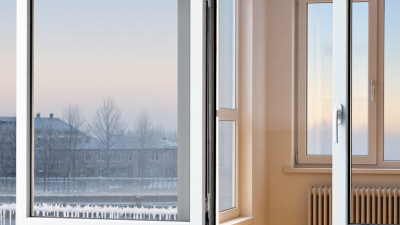
Picture a living room window on a winter morning: the inside pane may feel less chilly than single glass, and condensation may be reduced. But double glazing is not magic. Poor seals, a badly fitted frame, or high indoor humidity can still cause problems. Buyers should check the whole window specification, not just the pane count. It is easy to overlook installation. A clear warranty and local performance data help, although comparing specifications across regions can be awkward.
Thermal Performance: U-Values Near 1.1 W/m²K Under EN 673 Testing
For global buyers, a U-value near 1.1 W/m²K can be a useful benchmark for insulating glass. Under EN 673, the centre-pane U-value, or Ug, is calculated from heat transfer across the glass. It is not a laboratory test result by itself. Lower values mean less heat passes through the glazing. Small detail, big impact. A low-emissivity coating and argon-filled cavity can help double glazing reach this level, though the result depends on pane spacing, gas retention, and glass configuration.
The International Energy Agency’s Buildings report notes that buildings account for about 30% of global final energy consumption. Better-performing windows can contribute to lower heating and cooling demand, but buyers should compare whole-window Uw values, not Ug alone. Frames, spacers, and installation affect real performance. Ask for declared figures, calculation conditions, and relevant test documentation. One caveat: a product specification may look precise while overlooking poor installation or local climate. That deserves a closer look. A 1.1 Ug rating is meaningful, but it does not guarantee the same comfort in every building.
Energy Efficiency: Double Glazing Can Cut Window Heat Loss by Up to 50%
Double glazing uses two panes of glass separated by a sealed gap, often filled with air or an insulating gas. This layer slows heat moving through the window. In suitable conditions, some comparisons report up to 50% less window heat loss than single glazing. The exact result depends on pane type, frame quality, installation, and the original window. That figure is not a promise for every home.
You may notice fewer cold drafts near the glass on a winter morning. A warmer inner pane can also reduce condensation, though it cannot fix high indoor humidity or poor ventilation. Window performance is only part of the picture; leaky doors, roofs, and walls still matter. The savings can be less dramatic than expected.
Tips: Ask for the tested U-value of the complete window, not glass alone. Check that installers seal the frame carefully. Compare estimates against your existing windows and local climate. Small details count.
For global buyers, energy prices and weather vary widely, so payback periods differ. In a mild climate, the comfort improvement may matter more than lower bills. In colder regions, reduced heat loss can ease heating demand. I would avoid choosing by glass alone: frame material, spacer design, and workmanship shape real-world results. Even a good window can disappoint if fitted poorly.
Acoustic Comfort: Tested Double-Glazed Units Can Deliver 30–40 dB Reduction
Why Choose Double Glazing for Global Buyers?
Acoustic Comfort: Tested Double-Glazed Units Can Deliver 30–40 dB Reduction
For homes near busy roads, aircraft routes, or crowded streets, sound control can make rooms feel calmer. Tested double-glazed units may reduce noise by 30–40 dB under specified laboratory conditions. That figure is useful, but it is not a promise for every building. Glass thickness, pane spacing, frame design, seals, and installation all affect real-world results. A small gap around a frame can let traffic noise back in.
Ask suppliers for test reports that identify the glazing configuration and test method. Compare the reported performance with the sounds you actually hear, such as low engine rumble or sharp motorcycle noise. Different frequencies behave differently, so one rating cannot describe every acoustic experience. It is tempting to focus only on the glass. That can be a mistake. The frame and installation deserve equal attention.
Tips: Check perimeter seals and ask how the unit was tested. If possible, visit a comparable installation during a noisy period. Keep expectations realistic; double glazing can reduce disturbance, not create silence. Even good windows have limits.