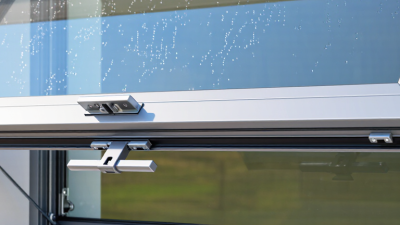
2026 How to Choose Window Parts for Global Sourcing?
Global sourcing window parts is not simply a price comparison exercise. It is a performance decision involving hardware, seals, profiles, glass interfaces, and installation conditions. A low-cost handle may fail quickly if its spindle size, coating, or cycle rating does not match the window system.
Dr. Joe Hayden, a respected fenestration engineer and building-envelope consultant, states, “A window performs only as well as the parts that connect its design to reality.” This principle should guide every sourcing decision. Buyers need verified drawings, material specifications, tolerance data, and test reports before requesting serious quotations. They should also examine supplier experience with export packaging, batch control, replacement support, and technical communication.
Details matter.
For example, a stainless-steel friction stay may resist corrosion, yet its screw pattern can still conflict with a regional profile. A gasket may appear suitable, but temperature changes can affect compression and long-term sealing. These problems are rarely visible in a product photograph.
Reliable sourcing requires more than collecting certificates. It requires sample testing, factory audits, reference checks, and documented approval procedures. Independent laboratory results can strengthen confidence, although they do not replace project-specific validation. Some buyers, including experienced teams, still overlook spare-part availability and after-sales response times. That is a weakness worth acknowledging.
This guide explains how to compare window parts suppliers, evaluate technical compatibility, manage quality risks, and build a dependable global purchasing process. It also questions one common assumption: the cheapest component is rarely the lowest-cost choice over the complete service life.
Define the Window Parts Required for Your Global Sourcing Project
2026 How to Choose Window Parts for Global Sourcing
Define the Window Parts Required for Your Global Sourcing Project
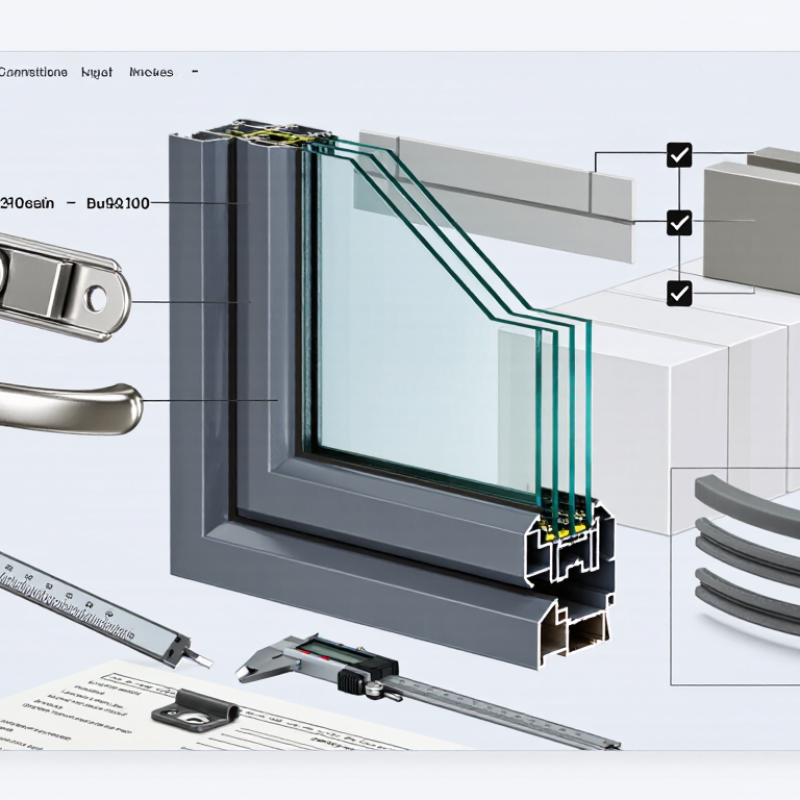
Define every window part before requesting supplier quotations. Create a controlled bill of materials with clear item numbers. Include frames, sashes, glazing, spacers, gaskets, hardware, screens, fasteners, and drainage components. State each part’s material, dimensions, finish, tolerance, and approved alternatives. A simple drawing is not enough. Suppliers may interpret the same detail differently.
Performance requirements must guide the parts list. The U.S. Department of Energy reports that windows can represent 25–30% of residential heating and cooling energy use. Energy Saver, 2024. Therefore, specify U-values, solar heat gain, air leakage, water resistance, and acoustic targets. The International Energy Agency reports that building operations consume about 30% of global final energy. Buildings, 2023. Small component decisions can affect long-term energy performance. They also influence shipping weight and packaging volume.
A first specification is rarely complete. That is normal. Review extrusion samples, gasket compression, drainage paths, and hardware fit before mass production. Record measurement methods, inspection frequency, and acceptable defects. Consider ISO 10077-1 calculations when evaluating thermal performance. Country-specific standards may still require separate testing. An experienced sourcing team should also identify substitute materials without weakening performance. One overlooked spacer or screw can delay an entire container. That risk deserves a line in the sourcing plan.
Compare Materials, Designs, Standards, and Supplier Capabilities
2026 How to Choose Window Parts for Global Sourcing?
Choosing window parts for global sourcing requires more than comparing unit prices. Materials must match climate, building use, and maintenance expectations. Aluminum offers strength and slim profiles, while uPVC supports insulation and lower maintenance. Timber provides warmth, but it needs controlled moisture protection. Glass selection also matters. Low-emissivity coatings, laminated layers, and different thicknesses affect heat, safety, and sound control. Ask for measured performance data, not attractive claims.
Design details can decide whether a shipment installs smoothly. Confirm frame dimensions, drainage paths, hardware positions, gasket types, and opening directions. Regional standards may require different wind-load, water-tightness, air-leakage, fire, or thermal tests. Request current test reports, factory quality records, and product drawings with revision numbers. Standards are not decoration.
Supplier capability deserves a practical review. Check tooling control, inspection equipment, batch traceability, packaging methods, and experience with export documentation. A supplier should explain tolerances clearly and respond with evidence. Sample one complete window assembly, not only loose components. Test it under realistic handling conditions. Small issues often appear there. Perfect plans rarely survive production unchanged. I have learned that a cheaper part can become expensive after delays, replacements, or difficult installation. Keep communication written, and leave room for technical correction when field conditions expose an overlooked detail.
2026 How to Choose Window Parts for Global Sourcing?
Compare materials, designs, standards, and supplier capabilities through practical sourcing criteria.
How to interpret the chart
Thermal conductivity is a material-level indicator, not the U-value of a complete window. Lower values generally support better frame insulation, while aluminum requires thermal breaks to reduce heat transfer. Timber, uPVC, fiberglass, and aluminum have different fabrication methods, durability profiles, tooling requirements, and recycling considerations. For global sourcing, confirm the target market standard, tested window configuration, air and water performance, structural resistance, glazing compatibility, and supplier traceability before comparing quotations.
Material
Compare thermal conductivity, corrosion resistance, maintenance, recycled content, and availability of profiles and hardware.
Design
Specify fixed, casement, sliding, tilt-turn, or awning designs according to ventilation, weather exposure, hardware, and installation needs.
Standards
Request test evidence aligned with applicable requirements such as EN 14351-1, AAMA/WDMA/CSA 101/I.S.2/A440, AS/NZS 2047, or ISO 10077-1.
Supplier capability
Check tooling control, minimum order quantity, sample approval, quality inspection, batch traceability, packaging, lead time, and export documentation.
Chart data: representative thermal conductivity values for commonly used window-frame materials, expressed in W/m·K. Actual values vary by alloy, formulation, density, moisture content, profile geometry, and test method.
Calculate Total Costs, Logistics, Duties, and Delivery Risks
2026 How to Choose Window Parts for Global Sourcing?
Choosing window parts requires more than comparing unit prices. Review frames, seals, rollers, handles, and fasteners by function and replacement frequency. A cheaper seal may fail sooner in heat, moisture, or cold conditions. Request material specifications, tolerance data, sample parts, and inspection photos before placing a large order. Small mismatches can delay installation.
Calculate the full landed cost. Include product prices, tooling, packaging, inland transport, ocean or air freight, insurance, customs duties, brokerage, storage, and local delivery. Duties depend on accurate product classification and destination rules. Confirm these details with a qualified customs broker. Delivery risk also matters. Port congestion, seasonal capacity, and incomplete documents can add weeks. A spreadsheet helps, but it can still miss handling charges or currency changes. Build a realistic contingency allowance.
Tips: Compare suppliers using the same delivery terms. Test one complete window assembly before scaling. Measure carton strength and moisture protection. Ask for production lead times in writing. Keep critical hardware slightly above forecast demand. This may increase inventory, but it can prevent expensive site delays. Recheck every assumption.
2026 How to Choose Window Parts for Global Sourcing? - Calculate Total Costs, Logistics, Duties, and Delivery Risks
| Window Part |
Typical Material / Specification |
Indicative FOB Cost
(USD/unit) |
Typical MOQ |
Packed Weight
(kg/unit) |
Carton Volume
(m³/unit) |
Production Lead Time
(days) |
Common HS Heading |
Indicative Duty Range* |
Estimated Logistics Cost
(USD/unit)** |
Estimated Landed Cost
(USD/unit)*** |
| Aluminum Frame Profiles |
6063-T5 extruded aluminum, mill finish or powder coated; cut-to-length sections |
$8.50 |
500 kg |
3.80 |
0.0065 |
25–35 |
7604
Aluminum bars, rods and profiles |
0–10% depending on destination, alloy, finish and trade measures |
$1.20 |
$10.63 |
| Insulating Glass Units |
Double glazing, 4 mm / 16 mm air space / 4 mm low-emissivity glass; spacer and sealant included |
$22.00 |
100 m² |
22.00 |
0.0350 |
20–30 |
7007
Safety or insulating glass |
0–8% depending on glass type and destination |
$7.50 |
$31.28 |
| Window Hardware Set |
Die-cast zinc or stainless-steel handles, hinges, locks and mounting screws |
$4.80 |
1,000 sets |
0.65 |
0.0022 |
25–40 |
8302
Base-metal mountings and fittings |
2.5–8.5% depending on product composition and destination |
$0.55 |
$5.72 |
| EPDM Weather Seals |
Extruded EPDM rubber gasket, black, UV-resistant, supplied in coils |
$0.65 |
5,000 m |
0.18 |
0.0007 |
15–25 |
4016
Articles of vulcanized rubber |
0–6.5% depending on profile and destination |
$0.12 |
$0.81 |
| Polyamide Thermal Break Strips |
PA66 reinforced with approximately 25% glass fiber; standard thermal-break profiles |
$1.35 |
1,000 kg |
0.30 |
0.0014 |
20–30 |
3921
Plastic plates, sheets and profiles |
3–6.5% depending on polymer classification |
$0.20 |
$1.63 |
| Fasteners and Anchors |
Galvanized or stainless-steel screws, brackets and expansion anchors |
$0.42 |
10,000 pieces |
0.09 |
0.0003 |
15–25 |
7318
Iron or steel screws and fasteners |
0–12% plus possible trade remedies |
$0.08 |
$0.55 |
| Silicone or Hybrid Sealant |
Neutral-cure construction sealant, 300 ml cartridge, standard color range |
$1.90 |
2,000 cartridges |
0.42 |
0.0008 |
15–25 |
3214
Glaziers' putty and mastics |
3–8% depending on chemical formulation |
$0.32 |
$2.38 |
| Window Screens |
Aluminum or fiberglass mesh in a light aluminum perimeter frame |
$6.20 |
500 pieces |
1.10 |
0.0060 |
25–35 |
7616 / 7019
Aluminum articles or glass-fiber mesh |
0–10% depending on construction and destination |
$1.05 |
$8.18 |
Cost basis: Indicative 2026 planning values for standard commercial specifications, based on an export shipment from East Asia to a major North American or Western European port. Landed cost is calculated as FOB cost + estimated international logistics + duty on customs value. Taxes, brokerage, inspection fees, inland delivery, demurrage, anti-dumping duties and special surcharges are excluded.
Logistics, Duty and Delivery-Risk Comparison by Sourcing Method
| Transport Option |
Typical Transit Time |
Indicative Cost Level |
Best Use Case |
Main Cost Drivers |
Typical Delivery Risks |
Risk Rating |
| Ocean FCL |
25–45 days port-to-port; 35–60 days door-to-door |
$80–$180 per m³, excluding destination charges |
Large, stable orders of frames, glass and mixed components |
Container freight, peak-season surcharge, port handling, inland haulage |
Port congestion, blank sailings, container shortages and customs holds |
Medium |
| Ocean LCL |
30–55 days port-to-port; 40–70 days door-to-door |
$120–$260 per m³, often with minimum chargeable volume |
Small trial orders or multiple low-volume component lines |
Consolidation, deconsolidation, warehouse handling and minimum charges |
Cargo mixing, handling damage, warehouse delays and less predictable sailing schedules |
High |
| Rail Freight |
18–30 days door-to-door on available corridors |
$0.80–$2.00 per kg, route dependent |
Time-sensitive medium-value parts where air freight is excessive |
Rail capacity, border transshipment, fuel and security surcharges |
Border delays, route restrictions and schedule variability |
Medium |
| Air Freight |
3–8 business days door-to-door |
$4.00–$9.00 per kg, chargeable weight basis |
Samples, replacement hardware, urgent production shortages |
Chargeable volume weight, fuel surcharge, security and handling fees |
Capacity shortages, customs inspection and high cost escalation during peak periods |
Low for transit time; High for cost |
| Express Courier |
2–5 business days door-to-door |
$8.00–$18.00 per kg for small parcels |
Prototypes, documents, small hardware and emergency parts |
Dimensional weight, remote-area fees, clearance and residential delivery |
Shipment limits, incorrect customs descriptions and unexpected brokerage charges |
Low |
Destination Cost and Compliance Checkpoints
| Cost or Compliance Item |
How It Is Calculated |
Typical Planning Range |
Parts Most Affected |
Sourcing Action |
| Customs Duty |
Customs value × applicable tariff rate |
0–12% for many standard parts; higher rates may apply in special cases |
Aluminum profiles, hardware, fasteners and finished screens |
Confirm the destination country's tariff schedule, product description, material composition and correct HS classification before signing the purchase order. |
| Import VAT or GST |
Taxable import base × local tax rate |
Often 5–25%, depending on destination and importer status |
All imported parts |
Model the cash-flow impact separately from the permanent product cost and verify whether the importer can recover the tax. |
| Customs Brokerage |
Fixed entry fee plus possible disbursement or line-item charges |
Approximately $75–$250 per shipment for standard commercial entries |
Small LCL, air and courier shipments |
Consolidate compatible SKUs where practical and request a written fee schedule from the customs broker or freight forwarder. |
| Packaging and Damage Protection |
Export carton, pallet, corner protection, separators and moisture control |
Approximately 1–5% of FOB value; higher for glass |
Insulating glass, long aluminum profiles and screens |
Require drop protection, edge guards, moisture barriers, pallet loading diagrams and pre-shipment packaging photographs. |
| Quality Inspection |
Pre-production, in-process or pre-shipment inspection fee |
$250–$600 per inspection day, excluding laboratory tests |
Hardware, coatings, gaskets, sealants and glass assemblies |
Use measurable acceptance criteria for dimensions, coating thickness, color tolerance, opening force, seal compression and glass defects. |
| Delivery Contingency |
Expected delay cost plus expedited freight or line-stop exposure |
Reserve 5–15% of planned logistics budget for normal variability |
Long-lead profiles, custom dies, glass and project-specific hardware |
Set a reorder point using production lead time, transport variability, customs clearance time and safety stock requirements. |
Recommended Selection by Purchasing Priority
| Purchasing Priority |
Preferred Part Strategy |
Preferred Transport |
Minimum Control Measures |
Decision Rule |
| Lowest Unit Cost |
Standardized aluminum profiles, seals and hardware with limited customization |
Ocean FCL |
Container utilization plan, annual volume forecast and tariff verification |
Select when forecast demand is stable enough to fill containers and hold safety stock. |
| Shortest Lead Time |
Common hardware, fasteners and replacement seals held in regional inventory |
Air freight or express for urgent replenishment |
Approved emergency supplier, pre-cleared product descriptions and reorder triggers |
Use when the cost of a production stop is higher than the freight premium. |
| Lowest Damage Exposure |
Small hardware sets and seals rather than fragile glass or long profiles |
FCL with dedicated packaging |
Packaging validation, loading inspection, humidity protection and cargo insurance |
Choose when handling damage would create rework, replacement or installation delays. |
| Best Product Flexibility |
Modular profiles, interchangeable hardware and standard gasket geometries |
Ocean LCL for trials, then FCL after demand validation |
Sample approval, revision control, common drawings and spare-part compatibility |
Use for new markets where demand, local standards or final configurations remain uncertain. |
| Lowest Total Risk |
Dual-source critical parts and qualify an alternative material or profile |
Primary ocean route plus air-freight contingency |
Second-source approval, buffer stock, inspection plan and documented customs classification |
Apply to parts that can stop an entire window line, especially glass, profiles and proprietary hardware. |
Important: Duty rates, import taxes, trade remedies, customs classifications, freight quotations and transit times change by origin, destination, product composition, Incoterm, shipment volume and date. Verify the applicable tariff database and obtain a current freight quotation before making a purchase decision.
Select Suppliers and Establish a Reliable Sourcing Process
Global window sourcing succeeds when supplier selection becomes a controlled process, not a price comparison. UNCTAD reports that over 80% of global trade volume moves by sea. Therefore, freight reliability, packaging quality, and port access matter as much as unit cost.
Audit suppliers before requesting large production runs. Check extrusion capacity, glass processing equipment, tooling control, and documented quality procedures. Request test reports for air leakage, water penetration, wind resistance, thermal performance, and hardware durability. ISO 9001 certification can support consistency, but it cannot replace a factory visit or independent inspection. The World Bank’s 2023 Logistics Performance Index evaluates 139 economies across customs, infrastructure, tracking, and timeliness. Use these indicators when comparing production countries. Build a supplier scorecard with measurable weights. Include quality, lead time, communication, compliance, and recovery speed.
Tips: Approve one sample first. Inspect hidden surfaces. Record every tolerance. Ask suppliers to explain their weakest process. This reveals more than a polished presentation. A dual-source plan may reduce disruption, although it can increase tooling and coordination costs. That trade-off deserves honest review. I have seen buyers focus heavily on aluminum prices while ignoring corner leakage and damaged packaging. The savings disappeared after installation complaints. Define inspection gates before ordering: material approval, pre-production sample, mid-production check, and final loading inspection. Keep corrective-action records. A reliable sourcing process is built through repeated evidence, not promises.