Blog
What Are the 2026 Top Types of Aluminum Doors and Windows?
In 2026, aluminum doors and windows are moving beyond simple frames and glass panels. Homeowners, architects, and developers now expect stronger thermal performance, quieter interiors, and cleaner visual lines. The best choice depends on climate, building orientation, budget, and daily use.
Stephen Selkowitz, a respected building scientist and former leader at Lawrence Berkeley National Laboratory, has often emphasized, “Windows are the weak link in the building envelope.” His observation remains relevant. A poorly selected frame can turn a beautiful façade into a source of drafts, condensation, and wasted energy. That risk is easy to underestimate.
This guide examines the leading aluminum doors and windows for 2026. It considers thermally broken systems, slimline casement windows, lift-and-slide doors, folding doors, pivot entrances, and smart glazing solutions. Each type offers a different balance of strength, daylight, ventilation, security, and maintenance. Some prioritize dramatic openings. Others protect indoor comfort more effectively.
Performance matters.
A large sliding door may provide an impressive garden view, yet its rollers, seals, and drainage channels need careful inspection. A narrow frame may look refined, but less visible aluminum does not automatically mean better insulation. That assumption deserves challenge. Product labels can also sound impressive while hiding installation weaknesses.
Real experience reveals the gap between specifications and performance. Correct glass selection, thermal breaks, hardware quality, and professional fitting often matter as much as the frame itself. This overview will compare practical strengths and limitations, helping readers judge which 2026 aluminum doors and windows suit their buildings, weather conditions, and long-term expectations.
What Defines the Top Aluminum Doors and Windows in 2026
What Are the 2026 Top Types of Aluminum Doors and Windows?
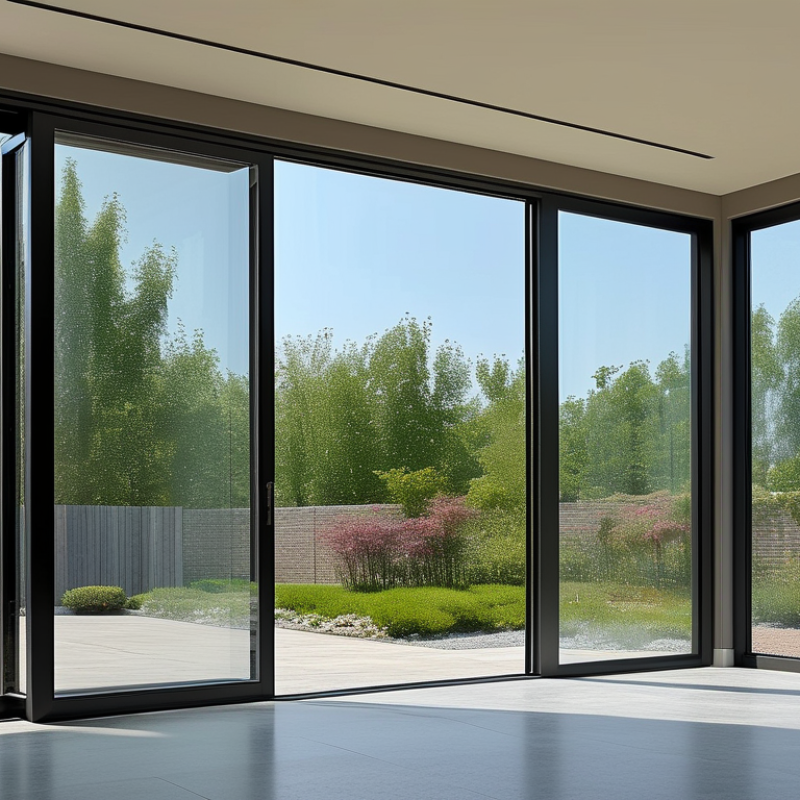
In 2026, top aluminum doors and windows are defined by performance, not appearance alone. Thermally broken frames reduce heat transfer through the metal. This matters near a cold bedroom wall or a sunlit living room. High-quality sliding doors offer wide glass panels and smooth, low-resistance tracks. Casement windows provide strong ventilation and dependable compression seals. Folding systems create larger openings, but they demand precise installation and regular track cleaning.
Measured performance should guide selection. Look for verified air leakage, water resistance, wind-load, and thermal data. A reliable product should include clear test results and installation instructions. Multi-point locking hardware improves security when the frame, glass, and wall connection work together. Laminated or tempered glass may also suit homes facing busy roads or severe weather. Small details matter. A poorly aligned latch can weaken an otherwise excellent system.
Sustainability is becoming more practical than decorative. Recycled aluminum content, durable powder coatings, replaceable seals, and repairable hardware can extend service life. Yet no single design fits every building. Slim frames may reduce visible sightlines, but they can increase cost and require careful structural review. Large glass areas bring daylight, although they may create glare and summer heat. I have seen attractive installations perform poorly because drainage was overlooked. That lesson deserves attention. Local climate, opening size, maintenance habits, and installer skill should shape the final choice.
What Are the 2026 Top Types of Aluminum Doors and Windows?
Representative thermal-performance benchmarks for leading aluminum door and window configurations. Lower U-factor values indicate better insulation.
Thermally broken frames, insulated glazing, airtight seals, durability, and large-format design flexibility define the strongest aluminum systems in 2026. Values are representative whole-product benchmarks in W/m²·K; actual performance varies by frame size, glazing, hardware, and testing standard.
Key Types of Aluminum Doors and Their Best Applications
In 2026, aluminum doors are becoming more application-focused. Hinged casement doors suit balconies, patios, and narrow garden exits. They open widely, improve ventilation, and create a clear walking path.
Sliding doors work better in compact rooms because their panels move along a track. This design saves floor space near sofas, kitchen islands, and bedrooms.
Lift-and-slide doors serve larger openings. Their raised rollers support heavier glass panels with less operating effort. They fit modern living rooms, hotel terraces, and homes facing gardens.
Folding doors can open almost an entire wall, making them useful for restaurants and event spaces. However, their many joints require careful alignment and cleaning. This detail is easy to overlook.
Pivot doors create a dramatic entrance for villas, offices, and galleries. Their central hardware needs accurate structural planning. Thermally broken aluminum doors are preferable in colder or hotter climates because they reduce heat transfer through the frame.
The U.S. Department of Energy notes that windows can represent 25–30% of residential heating and cooling energy use, so frame design deserves serious attention.
The IEA’s Buildings 2023 report also states that buildings consume about 30% of global final energy.
Still, door performance depends on installation, glass selection, seals, and drainage. A premium-looking door can underperform when fitted poorly. That is the part many project specifications miss.
Leading Aluminum Window Styles and Their Functional Benefits
What Are the 2026 Top Types of Aluminum Doors and Windows?
Leading Aluminum Window Styles and Their Functional Benefits
In 2026, thermally broken aluminum windows remain a strong choice for energy-conscious buildings. Their insulated polyamide barriers reduce heat transfer through the frame.
The U.S. Department of Energy reports that windows can cause 25–30% of household heating and cooling energy use. That makes frame design important, not decorative.
Casement windows offer wide ventilation and strong compression seals. They work well in bedrooms, kitchens, and windy coastal areas. Sliding windows save interior space and suit compact rooms. However, their horizontal tracks need regular cleaning.
Awning windows open outward from the bottom, helping block light rain during ventilation. Tilt-and-turn windows provide inward ventilation and easier glass cleaning. They also support emergency egress when properly sized.
Large aluminum picture windows create bright interiors and uninterrupted views. Slim frames increase daylight, but larger glass areas can raise solar heat gain. Low-emissivity glazing and external shading become essential.
The International Energy Agency’s Buildings report identifies buildings as responsible for about 30% of global energy demand.
Better windows cannot solve every efficiency problem, though. Installation quality, orientation, seals, and local climate still control real performance. This is where specifications sometimes fail: a high-performance window can underperform beside a poorly sealed wall.
Folding and lift-and-slide doors extend the same principles to wider openings. Their benefits include flexible indoor-outdoor access, but hardware alignment demands careful installation and maintenance. Some designs look excellent on paper. Daily use may reveal different priorities.
Innovative Materials and Features Shaping 2026 Designs
In 2026, aluminum doors and windows are moving beyond simple metal frames. Thermally broken systems now use reinforced polyamide barriers to reduce heat transfer through the frame. This matters in winter and summer. The International Energy Agency and UNEP reported that buildings consume about 30% of global final energy. Better frame insulation can support lower heating and cooling demand.
Low-e glass, warm-edge spacers, and multi-point seals are becoming standard design partners. Some advanced units also include electrochromic glass, which changes tint under electrical control. Daylight stays available. Glare becomes manageable. However, smart glazing still costs more and needs careful control. It is not automatically the best choice for every room.
Slimline profiles and large sliding doors remain popular, especially where daylight and outdoor views matter. Recycled aluminum strengthens this trend. The International Aluminium Institute states that recycled aluminum requires roughly 5% of the energy used for primary production. That is a powerful material advantage. Yet recycled content, coating durability, and thermal performance must be verified separately. One number cannot prove sustainability.
Acoustic doors and windows are also gaining attention in urban housing. Laminated glass, airtight gaskets, and deeper frames can reduce traffic noise. Performance depends heavily on installation quality. A beautiful frame can still leak sound. In practice, designers should test whole-window performance, not only individual components. That distinction is easy to miss.
How to Choose the Right Aluminum Door or Window System
What Are the 2026 Top Types of Aluminum Doors and Windows?
Choosing the right aluminum door or window system starts with the building’s daily use. Sliding systems suit wide openings and connect living rooms with patios. Casement windows provide strong ventilation and tight closure. Folding doors create a larger opening, but they need accurate installation and enough stacking space. Lift-and-slide doors handle heavier glass and offer a smoother operation.
Climate matters as much as appearance. In cold or hot regions, choose thermally broken aluminum frames with suitable insulated glazing. Ask about air leakage, water resistance, wind performance, and visible drainage paths. A slim frame may look elegant, yet it can perform poorly if the glass, seals, or installation are weak. Details matter.
Measure twice. Do not guess.
Before ordering, check the opening width, sill height, glass weight, hardware quality, and access for future repairs. For coastal homes, corrosion-resistant finishes and regular cleaning deserve special attention. For busy entrances, test the handle, lock, rollers, and threshold in person. I have seen projects select beautiful systems that became inconvenient because furniture blocked the opening. That mistake is easy to avoid. Request performance documents, installation guidance, and local code information from qualified suppliers. Specifications can vary between similar-looking systems. A thoughtful choice balances daylight, ventilation, security, energy use, budget, and maintenance rather than focusing on frame color alone.
| System Type | Primary Operation | Best Applications | Typical Thermal Design | Ventilation | Weather Performance | Space Requirement | Security Considerations | Key Selection Factor |
|---|---|---|---|---|---|---|---|---|
| Thermally Broken Casement Window | Side-hinged sash opens inward or outward. | Bedrooms, living rooms, offices, and façades requiring strong ventilation. | Thermal-break aluminum frame; commonly paired with double or triple insulating glass. | Excellent | Usually provides strong air sealing and effective resistance to wind-driven rain when correctly fabricated and installed. | Requires clear swing space inside or outside the opening. | Multi-point locking, laminated glass, and restricted opening hardware can improve resistance to forced entry. | Choose it when ventilation, airtightness, and cleaning access are priorities. |
| Tilt-and-Turn Window | Tilts inward from the top or turns inward from the side. | Residential buildings, upper floors, high-performance homes, and rooms needing secure night ventilation. | Thermally broken frame with compression seals; double or triple glazing is common. | Excellent | Compression seals generally support good airtightness and water resistance. | Needs interior clearance for the turn function. | Multiple locking points and inward operation can support security, but hardware quality and installation remain critical. | Choose it for flexible ventilation and convenient inward cleaning. |
| Awning Window | Top-hinged sash projects outward from the bottom. | Bathrooms, kitchens, clerestories, and openings that need ventilation during light rain. | Thermally broken aluminum frame with insulated glazing options. | Very Good | The outward-projecting sash can help shield the opening from light rainfall; performance depends on drainage and weather seals. | Requires exterior projection clearance. | Use robust locking hardware and safety restrictors where the window is accessible or located at height. | Choose it when controlled ventilation and rain protection are important. |
| Horizontal Sliding Window | One or more sashes slide horizontally along tracks. | Wide openings, compact rooms, apartments, and areas where swing clearance is limited. | Thermally broken frames are preferred; insulated glazing improves comfort. | Good | Weather performance depends heavily on track drainage, interlocks, pile seals, and installation accuracy. | Minimal interior and exterior swing space. | Specify anti-lift devices, keyed locks, reinforced interlocks, and laminated or tempered safety glass as appropriate. | Choose it for space efficiency and simple operation, not maximum airtightness. |
| Lift-and-Slide Door | Handle lifts the panel from the seals before it rolls along a track. | Large openings to patios, balconies, gardens, and terraces. | Thermally broken aluminum frame; large insulated glass panels are typical. | Good | Can deliver strong weather performance with correctly designed thresholds, drainage, seals, and structural support. | Needs wall-side stacking or a fixed panel zone, but no swing arc. | Use multi-point locks, anti-lift protection, safety glazing, and appropriately designed tracks. | Choose it for large clear views and wide access with relatively low operating force. |
| Bi-Fold or Folding Door | Several hinged panels fold and stack to one or both sides. | Open-plan interiors, patios, restaurants, retail spaces, and wide connection zones. | Thermally broken aluminum profiles with insulated glass; more panel joints require careful sealing. | Very Good | Performance is influenced by the number of panels, corner details, sill design, gaskets, and adjustment quality. | Requires stacking space beside the opening and a level, accurately supported threshold. | Specify panel-to-panel locking, anti-finger-trap protection, secure handles, and safety glazing. | Choose it when maximum opening width is more important than the simplest weatherline. |
| Aluminum French Door | Two side-hinged leaves open from the center. | Balconies, gardens, traditional-style façades, and moderate-width access points. | Thermally broken aluminum frames with insulated glass are recommended for conditioned spaces. | Excellent | Compression gaskets and a properly drained threshold can provide good weather resistance. | Requires clearance for both door leaves. | Use a multi-point lock, secure hinges, strong central meeting stile, and suitable safety glass. | Choose it for a symmetrical appearance and wide everyday access. |
| Aluminum Entrance Door | Single hinged leaf, usually inward or outward opening. | Main entrances, apartment buildings, offices, schools, and commercial façades. | Thermally broken frame with insulated door leaf or insulated glass panel. | Limited | Threshold height, drainage, compression seals, and door closer adjustment strongly affect performance. | Requires a clear swing area. | Prioritize a multi-point lock, reinforced hinges, impact-resistant glazing where needed, and certified door hardware. | Choose it when security, durability, accessibility, and frequent use are central requirements. |
| Pivot Door | Large door leaf rotates around offset pivot hardware. | Architectural entrances, luxury residences, hotels, and statement façades. | Thermally broken frame and insulated door construction are recommended for exterior use. | Limited | Weather performance depends on pivot seals, threshold design, door alignment, and wind-load engineering. | Requires a large opening arc and sufficient floor space on both sides. | Use concealed or protected locking hardware, structural pivots, safety glazing, and controlled closing devices. | Choose it for visual impact and large leaf sizes after confirming structural and wind-load requirements. |
| Fixed Aluminum Window | Non-opening glazed panel. | Picture windows, curtain-wall sections, stairwells, and areas where daylight and views are the main goals. | Thermally broken frame with double or triple insulating glass. | None | Usually offers strong airtightness because there are no operating vents, provided the perimeter is correctly sealed. | No operating clearance. | Glass specification and frame anchoring are the main security considerations. | Choose it to maximize daylight and views where separate ventilation is available. |
| Selection note: Actual thermal, air, water, acoustic, structural, and security performance depends on the complete tested system, glass specification, hardware, frame size, local climate, installation quality, and applicable building codes. Ask for independently verified performance data rather than judging by frame material alone. | ||||||||
Related Posts
-
Top 10 Best Aluminum Doors and Windows for Your Home
-

10 Essential Tips for Choosing the Perfect Aluminum Window for Your Home
-
Why Choose Double Glazed Windows for Your Home Efficiency?
-
2026 How to Choose the Best Hopper Window for Your Home Design?
-
How to Choose Double Glass Windows for Your Home?
-
How to Choose the Right Double Hung Window for Your Home?