Blog
What Are Awning Windows and How Do They Work?
Awning windows are hinged at the top and open outward from the bottom. Their design creates a practical opening beneath a small protective canopy. Even during light rain, fresh air can enter while the glass helps block falling water. That simple movement makes awning windows useful in kitchens, bathrooms, bedrooms, and hard-to-reach wall sections.
Building-science researcher John Carmody, co-author of Residential Windows, explains, “A window’s performance depends on climate, orientation, and installation—not appearance alone.” His point matters here. An awning window is more than a decorative glass panel. Its outward-opening sash can improve ventilation, especially when warm air gathers near the ceiling. The handle usually operates a chain or crank mechanism. Turning it pushes the sash outward gradually, like opening a small roof overhang.
The explanation has limits. A tight opening may restrict airflow. Wind-driven rain can still enter if the window is poorly installed or left open during storms. Frame material, glazing, seals, and drainage paths also affect performance. These details are easy to overlook.
Picture a bathroom with a fogged mirror and a narrow exterior wall. One correctly sized awning window can release humid air without exposing the entire room. However, good results depend on accurate measurements and professional installation. This guide explores how awning windows work, where they perform best, and which practical weaknesses deserve attention before replacement.
What Are Awning Windows?
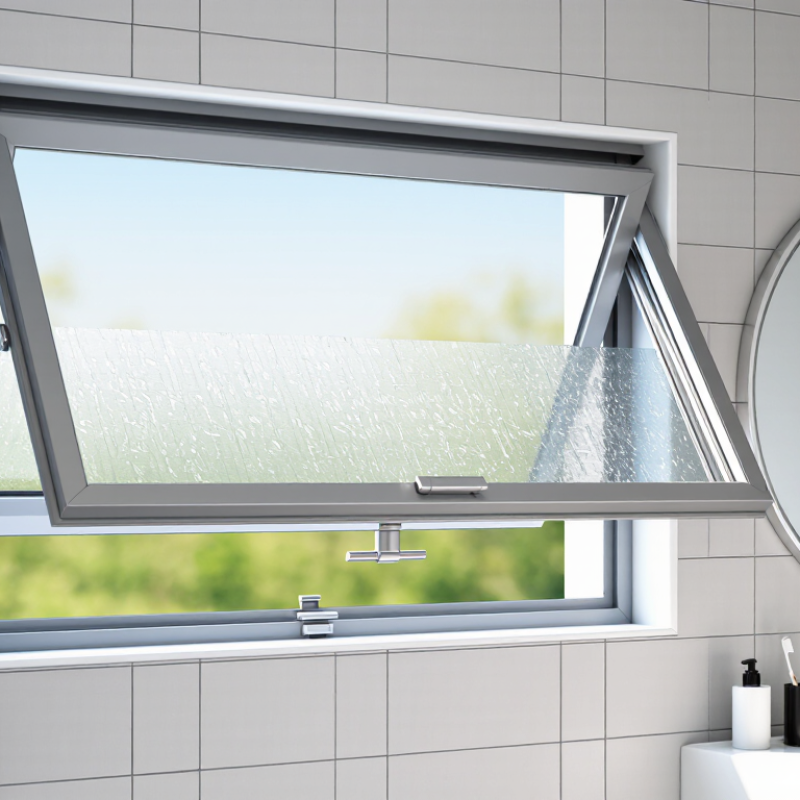
Awning windows are hinged along their top edge and open outward from the bottom. When opened, the sash forms a shallow canopy over the window opening. This design helps provide ventilation while offering some protection from light rain. The window usually operates with a crank handle, which gives steady control over the opening angle. Some models use friction hinges instead. Simple, but useful.
Their shape makes them practical for bathrooms, kitchens, and rooms needing regular airflow. A partially opened sash can direct fresh air inward without exposing the entire interior. It may also support privacy, especially when installed higher on a wall.
However, wind-driven rain can still enter. The canopy is helpful, not waterproof.
Residential inspections often show that placement matters as much as window type. An awning window needs clear space outside for safe operation. Nearby shrubs, walkways, or exterior fixtures can interfere with the sash. Interior screens should remain easy to remove for cleaning. Weather seals and crank hardware also need periodic inspection. A stiff handle may indicate dirt, misalignment, or worn parts.
Awning windows may not meet emergency-exit requirements in every room. Local building rules should be checked before installation. That detail is easy to miss. They are not perfect. Their strengths depend on careful sizing, suitable placement, and realistic ventilation needs.
How Do Awning Windows Operate?
Awning windows are hinged along their top edge, allowing the bottom sash to push outward. A crank handle or push bar controls this movement. As the sash opens, it forms a small protective canopy over the opening. The top stays hinged.
When closed, the sash presses against a frame seal. This helps reduce drafts, outside noise, and moisture entry. When open, the angled glass can guide fresh air into a room, even during light rain. However, heavy wind and driving rain may still enter. They are not magic.
In practical use, the opening distance depends on the hardware and sash size. A wider opening usually improves airflow, but it also needs more clearance outside. Screens can block insects while keeping ventilation available. I have found that a stiff crank often signals dirt, worn hardware, or frame pressure, not simply poor quality. That detail deserves inspection.
Tips: Open the window slowly and watch nearby branches, furniture, and exterior walkways. Clean the track and hinges with a soft brush. Avoid forcing the handle. Check the seal each season for cracks or gaps. For upper-level windows, confirm that the hardware operates safely before regular use.
What Are the Main Parts of an Awning Window?
An awning window opens outward from the bottom, while its top edge stays attached to the frame. Its main parts work together in a compact system. The frame anchors the unit to the wall opening. The sash is the moving section that holds the glass. Hinges connect the sash to the frame and guide its outward movement. A crank operator converts hand motion into controlled opening. A handle or latch then secures the sash tightly.
The glazing may include two sealed glass panes and a low-emissivity coating. These features influence heat transfer and indoor comfort. The U.S. Department of Energy reports that windows can cause 25%–30% of residential heating and cooling energy use. NFRC labels measure U-factor and solar heat gain coefficient, helping buyers compare performance.
Small parts matter, too. Weatherstripping blocks drafts around the sash. A screen keeps insects outside while air enters. Weep holes drain rainwater from the sill.
In practice, the operator often needs the most attention. Dust, corrosion, or a loose screw can make the crank feel rough. I have found that homeowners sometimes blame the glass first, although the seal or hinge alignment may be responsible. That assumption is not always correct. FGIA installation guidance emphasizes proper alignment, drainage, and sealing around the frame. Even a high-performing window can leak if installation is careless. Periodic inspection remains sensible, especially after heavy rain or strong wind.
Where Are Awning Windows Commonly Used?
Awning windows are hinged at the top and open outward from the bottom. This design creates a small canopy that can help block light rain while allowing fresh air inside. A handle or crank controls the sash, and compression seals usually improve weather resistance when the window is closed.
They are commonly used above kitchen counters, sinks, and bathroom fixtures. These areas need ventilation but often have limited wall space for large openings. Awning windows also suit basements, laundry rooms, and narrow upper walls. Their outward opening can capture moving air, even when placed beneath a fixed window. In coastal or rainy regions, homeowners may appreciate ventilation without leaving the entire opening exposed.
They work well in modern homes and compact renovations. However, they are not perfect for every room. A projecting sash can interfere with walkways, shutters, or nearby landscaping. It may also create a safety concern beside busy paths. Installers should check drainage, wall clearance, opening direction, and local egress requirements before fitting one. A basement bedroom may need a different window for emergency escape. That detail is easy to miss. Another practical issue is cleaning the exterior sash on upper floors. Regularly inspect the hinges, seals, and operator hardware, especially after harsh weather. A beautiful location is not enough; the window must also remain reachable, safe, and useful.
What Are the Benefits and Limitations of Awning Windows?
Awning windows are hinged at the top and open outward from the bottom. A crank mechanism controls the sash, allowing ventilation even during light rain. In my installation experience, this design directs air through the lower opening while the upper frame acts like a small shelter. That practical detail matters in kitchens, bathrooms, and humid rooms. It also supports ventilation when privacy is important.
The benefits are measurable. The U.S. Department of Energy reports that windows can represent 25–30% of residential heating and cooling energy use. A well-sealed awning window may reduce unwanted drafts and improve comfort near the opening. However, performance depends on glass, frame quality, installation, and shading. The National Fenestration Rating Council recommends comparing U-factor and solar heat gain coefficient ratings, rather than judging windows by appearance alone. Lower U-factor generally means better insulation, while SHGC should match the local climate and window orientation. That choice is easy to overlook.
There are limitations. The outward sash needs clearance from trees, walkways, shutters, and nearby buildings. Strong wind can make operation uncomfortable, even when the hardware is rated for exposure. Screens may also complicate cleaning and emergency access. A narrow awning window provides less clear opening than some larger window styles. That can affect escape planning. The assumption that every awning window improves energy efficiency is too simple; poor flashing or an uneven frame can undermine an excellent product. Regularly check seals, crank hardware, and drainage paths. Small defects become expensive when ignored.
What Are Awning Windows and How Do They Work? - What Are the Benefits and Limitations of Awning Windows?
| Data Dimension | Awning Window Information | Practical Effect |
|---|---|---|
| Basic Definition | An awning window is a hinged window that opens outward from the bottom, with the top edge remaining attached to the frame. | The opened sash forms a small overhang above the opening. |
| How It Operates | A handle or crank activates operating hardware that pushes the lower part of the sash outward. | The window can be opened gradually and positioned to control airflow. |
| Opening Direction | The sash projects outward from the building when open. | Outdoor clearance is needed, and the window should not obstruct walkways or nearby structures. |
| Ventilation | The full operable area can allow substantial ventilation compared with a partially opened sliding sash of similar size. | Useful for bathrooms, kitchens, bedrooms, and other spaces that need controllable fresh air. |
| Light Rain Protection | The outward-angled sash can help deflect some light rain while the window is open. | Ventilation may continue during light precipitation, but the window is not a substitute for weatherproof closure. |
| Weather Sealing | When closed and properly installed, the sash presses against seals around the frame. | A well-fitted unit can reduce unwanted drafts and moisture entry; installation quality and seal condition are important. |
| Energy Performance | Energy efficiency depends on glazing, frame material, air leakage, installation, orientation, and local climate. | The window type alone does not determine performance; look for documented thermal and air-leakage ratings. |
| Cleaning and Maintenance | Some models allow access to the exterior glass from indoors, but access varies by design and location. | Regular cleaning of tracks, hinges, handles, seals, and hardware helps maintain smooth operation. |
| Security Considerations | The closed sash is held by locking hardware around the frame, depending on the window design. | Use correctly adjusted locks and keep hardware maintained; security also depends on the frame, glass, and installation. |
| Main Benefits | Strong ventilation potential, adjustable opening, good daylight, and possible light-rain protection when open. | A practical choice where airflow and flexible ventilation are priorities. |
| Main Limitations | The outward swing requires exterior space and may conflict with shutters, landscaping, screens, or nearby paths. | Planning is needed before installation, especially in narrow passages or high-traffic areas. |
| Suitability for Emergency Egress | An awning configuration may not meet emergency escape requirements because the upper hinge can limit the clear opening. | Local building codes should be checked before using this window type in bedrooms or other required egress locations. |
| Best Selection Criteria | Compare frame material, glazing, air-leakage performance, water resistance, hardware quality, dimensions, and installation requirements. | Choosing based on the whole window system provides a more reliable result than selecting by style alone. |
Related Posts
-
2025 Top 5 Awning Windows: Best Choices for Style and Functionality
-
What Are Awning Windows and How Do They Work?
-

Top Benefits of Awning Windows for Modern Homes in 2026?
-
Top 10 Essential Window Parts You Need for Home Renovation
-
China Best Residential Windows for Global Buyers in 2026?
-
2026 Top Door Window Trends and Innovations You Need to Know?