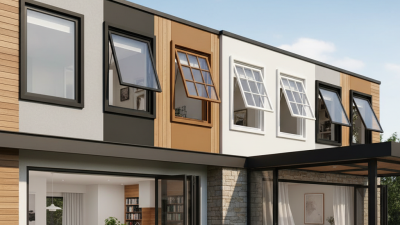
Blog
What Are Awning Windows and How Do They Work?
Awning windows are top-hinged windows that open outward from the bottom. Their hinges lift the sash like a small canopy, even during light rain. This design can improve ventilation while helping keep water away from the interior. However, the window is not automatically weatherproof. Frame quality, gasket compression, installation, and wall exposure all matter.
The U.S. Department of Energy explains that operable windows support natural ventilation, but their energy performance depends on U-factor, solar heat gain coefficient, air leakage, and climate. These values appear on National Fenestration Rating Council labels. ENERGY STAR also evaluates windows by climate zone, so one specification cannot suit every building. In a humid coastal room, a corrosion-resistant frame and durable hardware may matter more than a low price. In a sunny western room, solar control can become the stronger concern. Small details matter.
Awning windows work through a crank, handle, or concealed operator. Turning the handle pushes the sash outward and creates a controlled ventilation gap. The opening can guide airflow across a kitchen, bathroom, or bedroom while limiting direct rain entry. Yet the benefits can be overstated. A narrow opening will not replace mechanical ventilation where moisture or indoor pollutants require stronger control. Professional installers commonly check the rough opening, flashing, sill slope, and fastener placement before sealing the unit. That practical inspection is easy to overlook. This guide examines how awning windows operate, where they perform well, and which limitations deserve honest attention.
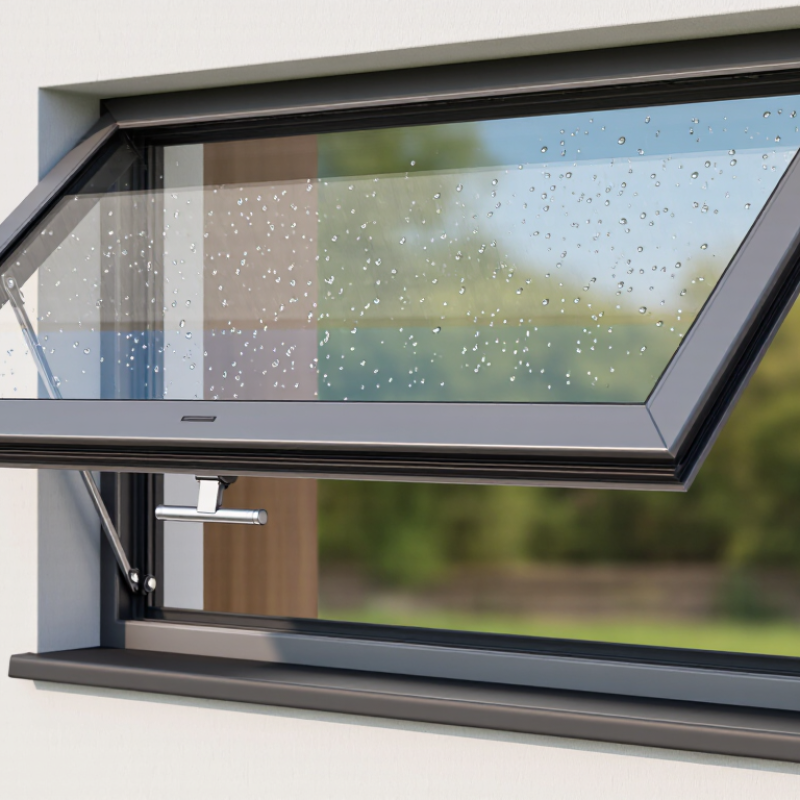
What Is an Awning Window?
An awning window is hinged along its top edge and opens outward from the bottom. This design creates a small sheltered opening, even during light rain. A handle, often called a crank, controls the opening mechanism. Turning it moves the sash outward smoothly and closes it against the frame.
Awning windows are useful in kitchens, bathrooms, and high walls. They allow fresh air to enter while helping keep rain, leaves, and dust outside. Their compression seals can also improve comfort by reducing unwanted drafts. In practical inspections, correct installation matters as much as the window itself. A poorly aligned sash may leak air or water. It is easy to overlook that detail.
How Awning Windows Operate
An awning window is hinged along its upper edge. When the handle turns, the lower sash moves outward from the frame. A crank operator usually controls this movement through a small arm and gear mechanism. The hinge line stays fixed while the bottom edge travels forward. This opening directs fresh air upward and can help block light rain.
Turn slowly. The operator should move smoothly without grinding or sudden resistance. As the sash closes, compression seals press against the frame and reduce drafts. Many awning windows also include insect screens inside the room. Some screens are removable, allowing easier cleaning and inspection. The opening angle depends on the hardware, sash weight, and available exterior space. A wide opening may improve airflow, but it can also expose the sash to strong wind.
In practical inspections, I check the corners first because uneven pressure often appears there. A loose handle, bent operator arm, or worn seal can prevent a tight closure. Dirt near the track may create resistance, although not every difficult handle signals serious damage. I once overlooked a slightly misaligned sash during a routine check; the window closed, but the seal still leaked air. That detail matters. Clean the frame, tighten accessible fasteners, and test the latch gently. Avoid forcing the crank, especially when the sash is obstructed outside. Regular attention keeps the mechanism responsive and helps reveal small alignment problems before they become expensive repairs.
What Are Awning Windows and How Do They Work?
Awning windows are hinged at the top and open outward from the bottom. The chart shows the geometric relationship between sash opening angle and the bottom projection, expressed as a percentage of the window height.
As the opening angle increases, the bottom edge projects farther outward. The projection values are calculated using the sine of the opening angle.
Key Components of an Awning Window
An awning window has a sash hinged along its upper edge. The sash pushes outward from the bottom, creating a small canopy. This design allows ventilation during light rain. The frame supports the glass and transfers pressure into the surrounding wall. Strong frame joints matter, especially in windy locations.
Most awning windows use a hand crank or another operating mechanism. Turning it moves the sash through connecting arms. Hinges guide the movement and keep the sash aligned. A locking handle pulls the sash tightly against the frame. Weatherstripping seals the contact line, reducing drafts and outside noise. The glass provides daylight, while a removable screen helps block insects. Small drainage channels direct water away from the sill. They can clog with dust and leaves. I have seen minor leaks caused by this simple oversight.
Tips:
Open the sash slowly and watch the hardware. Do not force a stiff crank. Check the seals each season for cracks or flattened sections. Clean the drainage openings with a soft brush, not a sharp tool. If the sash appears uneven, stop using it until the hinges and operator are inspected. A slightly loose fastener may seem harmless, but repeated movement can enlarge the mounting hole. Keep nearby curtains clear, because they can catch on the opening mechanism.
Benefits and Limitations of Awning Windows
Awning windows are hinged at the top and open outward from the bottom. This design lets warm air escape while the glass still shields the opening from light rain. A handle, operator, or chain mechanism controls the sash. In my experience, that outward angle can improve airflow noticeably in kitchens and upper rooms. Small changes matter.
Their main benefit is ventilation during unsettled weather. They also offer strong sealing when closed, which can reduce drafts and outside noise. Because the sash opens outward, furniture usually does not block it. High placement can improve privacy while bringing daylight indoors. Cleaning may be simple when the window is reachable. Some are not.
The limitations deserve equal attention. An open sash may clash with a walkway, tree branch, shutter, or exterior light. It can also create a hazard near busy paths if the opening projects too far. Screens must fit securely, and hardware needs periodic inspection for looseness or corrosion. Wide awning windows may feel heavy and place stress on hinges. Poor installation can cause leaks, even with quality materials. Local building requirements may limit their use near exits or bedrooms. I would measure the opening, swing path, and drainage details before choosing one. The style is practical, but not universally practical.
Where Awning Windows Work Best
Awning windows are hinged at the top and open outward from the bottom. This design creates a small, sloped canopy that helps block light rain while admitting fresh air. Their strongest advantage appears in rooms needing ventilation without sacrificing some weather protection.
They work especially well above kitchen counters, sinks, and bathroom fixtures. A handle remains reachable, even when furniture sits below the window. In a rainy climate, the angled sash can keep a gentle breeze moving through the room during a brief shower. They also suit upper-level walls, where airflow matters and privacy is easier to maintain. Used beside fixed glazing, they can provide ventilation without making a broad opening.
Placement still requires careful judgment. An awning window may be unsuitable beside a narrow walkway, because the open sash projects into the passage. It can also fail as an emergency exit in many room layouts, since the opening is limited by its top hinge. Check local building requirements before choosing it for a bedroom. Strong coastal winds deserve extra attention; exposed windows need durable hardware, accurate flashing, and dependable seals. A common mistake is focusing only on the window’s style. Water stains around the interior trim often point to poor installation, not poor window design. Even then, design choices can be wrong. A beautiful awning window may feel inconvenient above a busy counter or unsafe near a walkway.
What Are Awning Windows and How Do They Work? - Where Awning Windows Work Best
| Data Dimension | How Awning Windows Work | Where They Work Best | Key Benefits | Important Considerations |
|---|---|---|---|---|
| Basic Definition | An awning window is hinged along its top edge and opens outward from the bottom, creating an awning-like opening. | Residential rooms, offices, basements, and other areas that need controlled ventilation. | The outward-opening sash helps direct airflow into the room while providing some protection from light rain. | The window projects outward, so the exterior area must be clear of walls, walkways, landscaping, and other obstructions. |
| Opening Mechanism | A hand-operated crank, handle, or operating arm moves the sash outward and pulls it closed against the frame. | Locations where the window may be installed above a counter, sink, work surface, or furniture. | The operating hardware is generally easier to reach than a sliding sash in elevated or obstructed locations. | Hardware should be operated smoothly and inspected periodically for wear, dirt, or misalignment. |
| Ventilation | When open, the entire unobstructed glass area can provide a broad ventilation path compared with many partially opening window styles. | Kitchens, bathrooms, bedrooms, and study areas where fresh air is useful. | They can support effective air exchange and help release indoor heat, moisture, and odors. | Ventilation performance depends on wind direction, opening size, room layout, and the presence of other open windows or doors. |
| Light Rain Protection | The raised top-hinged sash can act as a small exterior canopy while the window is open. | Moderately sheltered exterior walls and rooms that need ventilation during light rain. | Fresh air may enter without exposing the opening as directly as some other outward-opening designs. | It is not fully weatherproof when open. Heavy rain, strong wind, or driving rain can still enter. |
| Energy Efficiency | When closed, the sash typically presses against a continuous perimeter seal, creating a compression-style seal. | Climate-controlled rooms where reducing unwanted air leakage is important. | A properly installed and maintained unit can limit drafts around the closed sash. | Actual performance depends on frame material, glazing, seals, installation quality, and local climate conditions. |
| Natural Lighting and Views | The large glass area provides daylight while the crank mechanism leaves the central view relatively open. | Living rooms, bedrooms, home offices, and narrow wall sections that benefit from daylight. | They can provide clear views and strong daylight without a horizontal meeting rail across the center of the glass. | Privacy, glare, and solar heat gain should be considered when selecting glass, shades, or exterior shading. |
| Security When Closed | The sash closes into the frame and is secured by the window’s locking hardware. | Ground-level and upper-level rooms where a securely closed window is required. | Locking points and a closed compression seal can help keep the sash firmly in place. | Security depends on the complete window assembly, locking system, frame, glass, installation, and building conditions. |
| Best Wall Locations | The outward-opening design uses exterior space rather than requiring an interior track or large vertical lifting area. | Above sinks, countertops, benches, cabinets, and other interior features that make sliding or lifting windows difficult. | They make useful ventilation choices for compact or hard-to-reach wall locations. | Check clearance above exterior paths, property boundaries, shutters, screens, and nearby windows. |
| Basements and Lower Levels | A properly sized awning window can provide daylight and ventilation in a lower-level wall installation. | Basement rooms where local building rules permit the window type and opening configuration. | The crank operation can be convenient where the window is positioned close to a work surface or floor-level obstruction. | Local requirements for emergency escape, drainage, window wells, waterproofing, and minimum opening dimensions must be verified. |
| Screens and Insect Control | A screen is commonly installed on the interior side because the sash opens outward. | Rooms that require ventilation while limiting the entry of insects. | The screen can remain in place while the window is opened and closed from inside. | Interior screens need regular cleaning and must be removed or opened for some exterior glass-cleaning tasks. |
| Cleaning and Maintenance | The opening action may allow access to portions of the exterior glass from inside, depending on the design and installation height. | Upper floors or locations where exterior access is limited, provided the specific unit permits safe cleaning. | Routine cleaning can be simpler than with some fixed or difficult-to-reach window arrangements. | Do not force the crank. Clean tracks and seals, lubricate compatible moving parts, and replace damaged weatherstripping. |
| Situations to Avoid | The sash requires unobstructed exterior clearance to open fully and safely. | Not ideal directly beside narrow walkways, busy pedestrian areas, property lines, or locations exposed to frequent strong winds. | Choosing a suitable location reduces the risk of impact, obstruction, and weather-related problems. | Consider another window style if outward projection, emergency egress, exterior clearance, or local code requirements create conflicts. |
Related Posts
-
2025 Top 5 Awning Windows: Best Choices for Style and Functionality
-
How to Choose Double Glass Windows for Your Home?
-
Top 10 Window Parts You Need for Home Improvement Projects?
-
How to Choose Double Glazed Windows?
-

Top Benefits of Awning Windows for Modern Homes in 2026?
-
How to Choose the Best Double Glazed Windows for Your Home