Best Door Window Options for Global Buyers to Consider?
Choosing the right door window for your home can be a complex decision. It requires careful consideration of style, functionality, and energy efficiency. Global buyers may feel overwhelmed by the options available. Different regions offer various materials and designs that cater to local climates and aesthetic preferences.
Door windows serve as more than just entries to the house. They enhance natural light and influence the home's overall ambiance. Some designs provide better security, while others maximize energy savings. Understanding these aspects can lead to better choices.
Yet, there is no universal 'best' option. Personal preferences and specific needs play a significant role in the selection process. A door window that works perfectly in one setting may not suit another. Finding the ideal balance between beauty and practicality is crucial. Engaging with professionals can help navigate potential pitfalls in this decision-making journey.
Factors Influencing Door and Window Selection for Global Markets
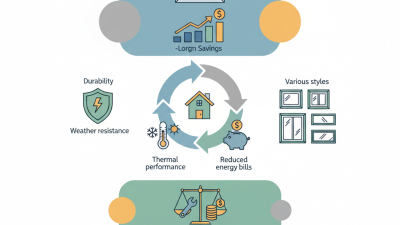
When considering door and window options for global markets, several factors come into play. Regional climate is a significant aspect. For instance, in colder climates, insulated options tend to perform better, offering energy efficiency and comfort. A report from the International Energy Agency states that energy-efficient windows can reduce heating costs by up to 30%. This statistic emphasizes the importance of selecting appropriate materials based on local conditions.
Another consideration is aesthetic appeal. Global buyers are inclined towards designs that resonate with regional architecture. Aesthetic preferences can greatly impact sales. Research from the Architectural Institute highlights that 70% of consumers prioritize style alongside functionality when selecting windows and doors. This shows a balance must be struck between practical performance and visual appeal.
Finally, compliance with building codes is crucial. Regulations can vary widely across regions. For instance, hurricane zones might require impact-resistant choices. A lack of understanding of these codes can lead to costly mistakes. Adapting to local laws requires diligence and precision, reflecting the complexity of global market strategies for doors and windows.
Types of Materials Used in Doors and Windows: A Global Perspective
Choosing the right materials for doors and windows is crucial. Different climates and cultures influence material selection globally. For instance, wood is popular in many regions due to its aesthetic appeal and thermal insulation. However, it lacks resistance to moisture and pests. This weakness can lead to rotting and requires regular maintenance.
On the other hand, metal options like aluminum offer durability and low upkeep. They resist rust and are ideal for modern designs. However, metal can conduct heat poorly, affecting energy efficiency. Vinyl is another alternative favored in residential buildings. It provides excellent insulation and withstands harsh weather, but the color choices may be limited.
Glass is vital, too, particularly for windows. Double or triple glazing enhances thermal performance. Yet, the initial cost can be a deterrent for some buyers. Each material has its pros and cons, requiring careful consideration based on local conditions and personal preferences. It’s essential to balance aesthetics, performance, and sustainability when making your choice.
Best Door and Window Materials Considered by Global Buyers
Energy Efficiency Standards for Doors and Windows Across Different Regions
Energy efficiency is a critical aspect for choosing doors and windows worldwide. Different regions have varying standards that influence design and functionality. In Europe, for instance, Energy Performance Certificates (EPC) assess a building’s energy efficiency. This report affects decisions on materials and styles. Manufacturers in this area often prioritize insulation and sustainability.
Similarly, in North America, energy efficiency ratings like the Energy Star label guide consumers. Homes benefit from double or triple-glazed glass. Energy-efficient windows reduce heating and cooling costs. However, not all products meet these high standards, which can lead to confusion for buyers.
In contrast, some regions may not enforce strict efficiency standards, which poses challenges. Buyers must be vigilant. Researching local regulations is vital. The lack of consistency can make it difficult for global consumers. Balancing efficiency with aesthetic choices is also important. Buyers should reflect on their values and priorities.
Design Trends in Doors and Windows for International Buyers in 2023
In 2023, design trends in doors and windows reflect a growing emphasis on sustainability and functionality. Many international buyers prioritize materials that are eco-friendly. Wood and aluminum are popular choices. They offer durability and can blend with various architectural styles. Yet, the sourcing of these materials often raises questions about environmental impact.
Minimalistic designs are in vogue. Clean lines and simple forms enhance curb appeal. However, the challenge lies in balancing aesthetics with security. Buyers may find it hard to identify the right options that do both. Furthermore, the trend towards larger windows brings in more light but can lead to increased energy costs if not properly insulated.
Customization is also a key consideration for global buyers. Tailored solutions allow for personal expression. Yet, working with local artisans can present challenges in terms of timelines and pricing. This complexity might deter some buyers. They need to weigh the benefits of unique designs against potential pitfalls. The design landscape is rich yet complicated, making informed choices essential.
Cost Considerations and Budgeting for Door and Window Projects Worldwide
When considering door and window projects globally,
cost is a significant factor. According to the Global Construction Survey, over
30% of project budgets are often spent on these components. This statistic
emphasizes the importance of proper budgeting. In regions like North America
and Europe, installation costs can range from
$200 to $1,000 per unit, depending on materials and labor.
In contrast, markets in Asia and Africa
show varying trends. For instance, average costs could be as low as $150 in some regions.
This discrepancy stems from material accessibility and labor rates. Buyers must assess local market
conditions and materials when budgeting.
Additionally, many homeowners overlook maintenance costs.
Proper upkeep of doors and windows can add 15-20% to long-term expenses. Investing
in durable materials may lead to better value over time. Balancing initial costs with future needs
is crucial. Ultimately, thorough research and planning are necessary to avoid overspending in this
critical area.