
Blog
7 Best Triple Pane Windows for Energy Efficiency
A window can look impressive in a showroom and still feel drafty beside a winter sofa. Triple pane windows add a third glass layer and insulating spaces, which can help limit heat transfer and soften outdoor noise. But more glass does not guarantee lower energy bills. Frame quality, glass coatings, airtight installation, and local climate all affect real-world performance.
This guide introduces seven options for homeowners comparing triple pane windows for energy efficiency. It considers practical details, including U-factor, solar heat gain coefficient, frame materials, available sizes, and warranty coverage. These specifications can help narrow a shortlist, but ratings should be read in context: a window suited to a cold northern climate may not be the best fit for a sunny home. Installation matters, too. A small gap around the frame can undermine an otherwise well-insulated unit.
Small details matter. The comparison also recognizes trade-offs, such as higher upfront cost, heavier units, and possible reductions in natural light. Product availability and specifications can change, so confirm current details with the manufacturer or a qualified installer before buying. No single model is right for every home, and energy savings are difficult to predict without considering the building itself. That part is easy to overlook. The goal is a clear, evidence-minded starting point—not a promise that new windows will solve every comfort problem.
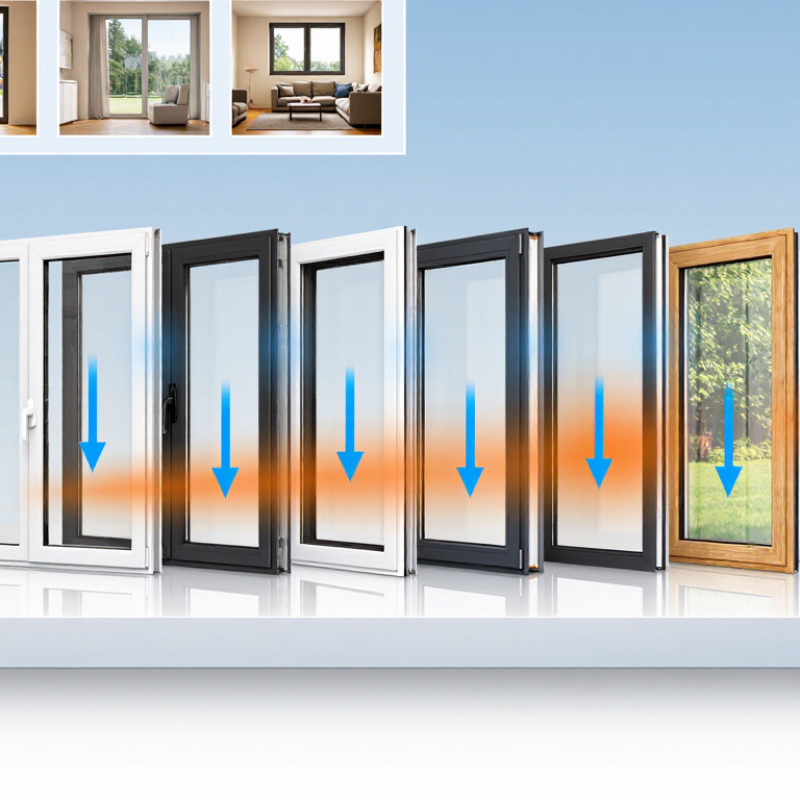
How Triple-Pane Windows Improve Energy Efficiency
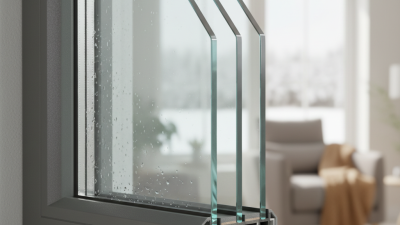
Triple-pane windows slow heat loss by placing a third sheet of glass between indoor and outdoor air. The extra sealed space, often filled with insulating gas, reduces heat transfer through the window. Low-emissivity coatings can also reflect indoor heat back into a room during cold weather. That matters near a chilly window seat. The U.S. Department of Energy’s Energy Saver guidance estimates that heat gain and loss through windows account for 25–30% of residential heating and cooling energy use. Better-performing windows can help reduce that load, though actual savings depend on climate, installation, and household habits.
Check the whole-window U-factor, not just the number of panes. The National Fenestration Rating Council explains that U-factor measures heat flow; lower ratings indicate better insulation. A properly fitted triple-pane unit can also make a room feel less drafty and reduce cold-surface discomfort beside the glass. Not automatically, though. Poor installation can leave air leaks around the frame, weakening the benefit of the extra pane. Triple glazing may also cost more and admit less daylight, depending on its coatings and design. I would compare certified ratings and visible-light performance for the exact window, rather than assume every triple-pane model performs equally.
7 Best Triple-Pane Windows for Energy Efficiency: How Triple-Pane Windows Improve Energy Efficiency
| Window Type | Typical Glazing and Frame | Indicative Whole-Window U-Factor | Typical SHGC | Best Suited For | Energy-Efficiency Advantage |
|---|---|---|---|---|---|
| High-performance low-e triple pane | Three panes, low-emissivity coatings, argon fill, insulated frame | 0.18–0.23 Btu/h·ft²·°F | 0.25–0.40 | Cold and mixed climates | Multiple panes and low-e coatings reduce heat transfer while the gas-filled spaces add insulation. |
| Solar-control triple pane | Three panes, spectrally selective low-e coatings, argon fill, vinyl or fiberglass frame | 0.17–0.23 Btu/h·ft²·°F | 0.20–0.35 | Sunny climates and rooms prone to overheating | Helps limit solar heat gain while retaining the insulating benefits of triple glazing. |
| Passive-house-oriented triple pane | Three panes, multiple low-e coatings, optimized gas fill, insulated frame and warm-edge spacer | 0.14–0.19 Btu/h·ft²·°F | 0.25–0.45 | Very cold climates and high-performance home designs | A low whole-window U-factor can reduce heat loss; careful installation is important to achieve the intended performance. |
| Triple pane with krypton gas | Three panes with narrower cavities, low-e coatings, krypton fill | 0.15–0.21 Btu/h·ft²·°F | 0.25–0.45 | Cold climates where a thinner insulating glass unit is useful | Krypton can provide effective insulation in narrower spaces between panes; the complete unit’s rating matters more than gas alone. |
| Triple pane with warm-edge spacers | Three panes, low-e coatings, argon fill, low-conductivity spacer at glass edges | 0.17–0.23 Btu/h·ft²·°F | 0.25–0.45 | Homes where edge temperatures and condensation are concerns | Warm-edge spacers can reduce heat flow around the glass perimeter and help keep interior glass edges warmer. |
| Triple pane with higher solar gain | Three panes, low-e coating selected for solar gain, argon fill, insulated wood or composite frame | 0.19–0.25 Btu/h·ft²·°F | 0.40–0.55 | Cold climates with well-oriented, sun-exposed windows | Allows more useful winter sunlight indoors; exterior shading may be needed to manage summer heat. |
| Triple pane with thermally improved metal frame | Three panes, low-e coatings, argon fill, thermally broken metal frame | 0.20–0.28 Btu/h·ft²·°F | 0.20–0.45 | Designs that need a slim frame profile and durable construction | A thermal break reduces heat flow through the metal frame, though frame performance can still differ from that of insulated non-metal frames. |
Performance figures are indicative ranges for comparison, not guarantees for a particular window. Actual ratings vary by size, frame, glass coatings, spacer, gas fill, and test method. A lower U-factor generally means better insulation; SHGC indicates how much solar heat a window admits. Check certified whole-window ratings and local climate requirements before choosing.
Related Posts
-
Are Triple Pane Windows Worth the Investment in 2026?
-

Exploring the Benefits of Double Glazed Windows: Energy Efficiency and Noise Reduction Explained
-
Why Choose Triple Glazing for Energy Efficiency Benefits?
-
2026 Best Triple Glazing Options for Energy Efficiency and Comfort?
-
How to Choose Triple Glazing for Better Insulation?
-
How to Choose Vinyl Windows for Your Home Improvement?