Skip to Content
chevron-left chevron-right chevron-up chevron-right chevron-left arrow-back star phone quote checkbox-checked search wrench info shield play connection mobile coin-dollar spoon-knife ticket pushpin location gift fire feed bubbles home heart calendar price-tag credit-card clock envelop facebook instagram twitter youtube pinterest yelp google reddit linkedin envelope bbb pinterest homeadvisor angies

What Is the Best Type of Double Glass Window?

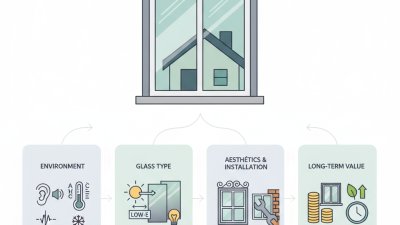
Choosing the best double glass window depends on more than appearance or advertised energy savings. Climate, window direction, frame material, glass coating, and installation quality all influence performance. A sunny south-facing room may benefit from low-emissivity glass that limits solar heat. A colder bedroom may need stronger insulation and warm-edge spacers. The right choice is rarely universal.

From practical renovation experience, small details matter. A carefully specified window can feel warmer beside the frame on a winter morning. However, even premium glass may perform poorly when the seal fails or the installation leaves narrow air gaps. I have seen attractive windows create condensation because ventilation and indoor humidity were ignored. That mistake is easy to overlook.

Reliable guidance should compare U-factor, solar heat gain, acoustic performance, safety features, and expected service life. Independent testing and manufacturer documentation offer stronger evidence than vague marketing claims. A qualified installer should also inspect the opening, drainage path, and frame alignment before fitting begins. Local building requirements deserve attention as well. They vary by region and project type.

This guide examines common double glass window options, including low-E coatings, argon-filled units, laminated glass, and different spacer systems. It explains where each design works best and where it may disappoint. The goal is not to promote the most expensive product. It is to match measurable performance with real household needs. Some recommendations remain conditional, because budget, weather, noise, and maintenance expectations change the answer. That uncertainty is useful. It encourages careful comparison before purchase.
What Is the Best Type of Double Glass Window?

How Double Glass Windows Work and Why Their Design Matters

Double glass windows use two panes separated by a sealed space. This gap slows heat movement through the glass. A spacer keeps the panes apart and supports the seal. Many units contain dry air or argon. The gas is not magic. Its value depends on correct sealing and spacing. A damaged seal can leave fog between the panes. That cloudy patch signals reduced insulating performance.

The design matters because heat travels in several ways. It passes through the panes, edge spacer, and frame. A low-emissivity coating can reflect indoor heat into the room. In summer, it may reduce solar heat entering through bright windows. Warm-edge spacers limit heat loss around the perimeter. However, strong glass can still perform poorly inside a badly fitted frame. Small gaps remain. They can create cold drafts and moisture problems. Installation deserves as much attention as the glass itself.

The best type depends on climate, window direction, room use, and frame material. A sun-facing room may need solar-control glass. A cold bedroom may benefit from a lower U-value. In humid conditions, ventilation still matters. Double glazing will not cure every condensation problem. I would inspect the whole window assembly, not only the center glass. Ask for measured U-values, coating details, and a clear warranty. Specifications can look impressive on paper. Actual comfort also depends on careful installation and regular maintenance.

Key Types of Double Glass Windows and Their Structural Differences

Double-glazed windows are not one design. Their structural differences affect insulation, noise control, and durability. Each unit contains two glass panes, a sealed spacer, and an insulating cavity. Air-filled cavities are economical but provide modest thermal performance. Argon-filled cavities usually improve insulation. Krypton works better in narrower cavities, but costs more. The best choice depends on climate, window size, and installation quality.

Glass construction matters too. Low-emissivity coatings reduce radiant heat transfer. Laminated glass improves sound control and holds together after breakage. Tempered glass offers stronger impact resistance, but it cannot be cut after treatment. The U.S. Department of Energy reports that windows can represent 25–30% of residential heating and cooling energy use. It also notes that low-emissivity technology can reduce window energy loss by roughly 30–50% (U.S. DOE, Energy Saver). These figures are useful, but real results vary. Poor seals can undermine expensive glass.

Tips: Compare whole-window U-factor and solar heat gain coefficient, not center-glass claims. The National Fenestration Rating Council explains that lower U-factor means better insulation, while SHGC should match local sunlight conditions (NFRC, Product Directory and Label Guide). In hot regions, choose lower SHGC. In cold regions, prioritize lower U-factor and warm-edge spacers. For traffic noise, consider different pane thicknesses or a laminated inner pane. Do not assume krypton always wins. Cavity width still matters.

What Is the Best Type of Double Glass Window? - Key Types of Double Glass Windows and Their Structural Differences

Double-Glass Window Type Structural Configuration Typical Cavity Fill Glass Coating or Feature Main Thermal Benefit Solar and Light Performance Sound-Reduction Potential Typical Best Use Key Limitations
Clear Double Glazing Two panes of clear glass separated by a sealed insulating cavity, commonly using a spacer around the perimeter. Dry air Two uncoated clear glass panes Basic
Improves insulation compared with single glazing because the sealed cavity reduces heat transfer.
High visible light transmission and relatively high solar heat gain. Moderate improvement over single glazing; performance depends strongly on pane thickness and cavity width. Mild climates, internal spaces, and projects where low initial cost is important. Less effective against winter heat loss and summer solar gain than low-emissivity or gas-filled alternatives.
Argon-Filled Double Glazing Two panes sealed around a cavity that is filled with argon instead of ordinary air. Argon gas Clear or low-emissivity glass can be used Good
Argon has lower thermal conductivity than air and can reduce conductive heat transfer.
Depends mainly on the glass coating; clear glass admits more solar heat than low-emissivity glass. Usually similar to comparable air-filled units; gas fill alone is not the primary acoustic feature. Residential and commercial buildings in heating or mixed climates. Requires a reliable edge seal; performance can decline if the gas escapes over time.
Low-E Double Glazing Two panes with a microscopically thin low-emissivity coating applied to a glass surface facing the sealed cavity. Air or argon Soft-coat or hard-coat low-emissivity layer Very Good
Reflects long-wave infrared radiation and helps retain indoor heat.
Can be selected for lower solar heat gain or higher passive solar gain, depending on coating design. Similar to other double-glazed units unless combined with asymmetric panes or laminated glass. Cold climates, mixed climates, and energy-efficient homes. Coating selection must match the climate; some coatings can reduce useful solar heat or visible light.
Low-E Argon-Filled Double Glazing Two panes, a sealed argon cavity, and a low-emissivity coating positioned toward the cavity. Argon gas Low-emissivity coating, usually on one cavity-facing surface Excellent
Combines reduced radiative heat transfer from the coating with reduced conduction from the gas fill.
Solar-control versions reduce unwanted summer heat; other versions preserve more solar gain in cold climates. Good general performance, but acoustic results depend more on pane mass, thickness difference, and frame construction. Most residential applications where balanced energy performance is required. Higher cost than clear glazing; incorrect orientation or coating selection can reduce the expected benefit.
Krypton-Filled Double Glazing Two panes with a narrower sealed cavity optimized for krypton gas. Krypton gas Often combined with low-emissivity glass Excellent
Performs well in narrow cavities and can provide strong insulation where frame depth is restricted.
Determined primarily by the selected glass coating and pane type. Comparable to other double-glazed systems with similar pane construction. High-performance windows with limited space for a wider cavity. More expensive than air or argon; the energy advantage may not justify the cost in every climate.
Solar-Control Double Glazing Two panes with a solar-control coating designed to limit the transmission of solar radiation. Air or argon Solar-control low-emissivity or spectrally selective coating Good
Reduces solar heat gain and can lower cooling demand.
Lower solar heat gain; visible light transmission varies by coating and glass composition. Generally similar to standard double glazing unless laminated or acoustically optimized glass is added. Large glazed façades, warm climates, and rooms exposed to intense sunlight. May reduce winter solar gains and can create a darker appearance depending on the coating.
Acoustic Double Glazing Two panes with different thicknesses or a laminated pane, creating an asymmetric structure that disrupts sound transmission. Air or argon Laminated acoustic glass, dissimilar pane thicknesses, or both Good
Thermal performance depends on the cavity, gas fill, coating, and frame.
Can provide good daylight; laminated interlayers may slightly affect visible transmission. Very Good
Designed to reduce airborne noise, particularly when pane thicknesses are different.
Buildings near roads, railways, airports, or other noisy environments. Higher weight and cost; frame, seals, vents, and installation quality can limit the actual result.
Warm-Edge Double Glazing Double-glazed unit using a low-conductivity spacer instead of a highly conductive metal spacer at the edge. Air or argon Insulating spacer, often polymer-based or composite Very Good
Reduces edge heat loss and lowers the risk of interior condensation near the perimeter.
Depends on the selected panes and coatings. Usually does not significantly change acoustic performance by itself. Energy-efficient installations and cold or humid conditions where edge condensation is a concern. Spacer quality and seal durability are essential; the spacer cannot compensate for poor glass or frame design.
Laminated Double Glazing At least one double-glazing pane is made from two glass sheets bonded to a plastic interlayer. Air or argon Safety, security, UV-filtering, or acoustic interlayer Good
Thermal insulation depends on the complete unit rather than the laminate alone.
Can filter a substantial portion of ultraviolet radiation; daylight and solar gain depend on the glass specification. Very Good
The interlayer can improve sound attenuation and holds fragments together if glass breaks.
Safety glazing, security-sensitive locations, noise reduction, and areas requiring UV control. Heavier and generally more expensive; requires compatible hardware and structurally adequate frames.

Note: Actual thermal and acoustic performance varies with glass thickness, cavity width, gas concentration, coating position, spacer type, frame material, window size, installation quality, and local testing standards. Lower U-values indicate better thermal insulation, while sound performance is commonly reported using an acoustic rating such as Rw or STC.

How Glass, Gas Fillings, and Frame Materials Affect Performance

The best double glass window depends on more than pane count. Glass coatings, gas fillings, and frames work as one system.

The U.S. Department of Energy estimates that windows can cause 25–30% of residential heating and cooling energy use. That makes the glass specification important.

Low-emissivity glass reduces radiant heat transfer. In winter, it helps keep room heat indoors. In summer, a suitable solar heat-gain coefficient can limit strong sunlight.

NFRC rating data identifies U-factor and SHGC as key performance measures. Lower U-factor means better insulation. However, a very low U-factor may not suit every climate. A sunny room can still overheat.

Argon filling usually improves insulation compared with ordinary air. The gap must be sealed well, or performance can decline quietly. Spacer design matters near the glass edge. It is easy to overlook.

Vinyl, fiberglass, and thermally broken metal frames offer different balances of strength, cost, and heat flow.

DOE guidance notes that frame material affects the whole-window U-factor, not just appearance. In field checks, poor installation often defeats good specifications. Small air leaks around the frame can create cold strips beside the glass.

I would not choose by gas filling alone. Local climate, orientation, shading, and installation quality deserve equal attention. Even detailed ratings cannot predict every occupied room perfectly.

Which Double Glass Window Best Fits Different Climates and Buildings

What Is the Best Type of Double Glass Window?

The best double glass window depends on climate, sunlight, and building use. In hot, sunny regions, select low-emissivity glass with a low solar heat gain coefficient. It limits radiant heat through south- or west-facing windows. A light-reflective coating can help, but it may reduce natural daylight. That trade-off deserves attention.

Cold climates need strong insulation. Double glazing with an argon-filled cavity, warm-edge spacer, and low U-value reduces heat loss near the glass. In windy areas, durable frames and professional sealing matter just as much. A poorly fitted window can waste energy, even with excellent glass. The window should also match the wall insulation and ventilation system.

Humid coastal buildings require corrosion-resistant hardware and careful drainage. For bedrooms, offices, or buildings near traffic, laminated inner glass can reduce noise and improve safety. Older buildings may need slimmer units to preserve their appearance and frame strength. I have seen specifications fail when they ignored window orientation. The same glass can perform well on one wall and poorly on another. No option is perfect. Architects and installers should check local weather data, indoor comfort targets, condensation risk, and installation details before choosing the final unit.

A Practical Checklist for Comparing Double Glass Window Options

What Is the Best Type of Double Glass Window?

Choosing the best double glass window starts with a practical checklist, not a glossy brochure. Measure the opening carefully, including uneven corners and the surrounding wall condition. A window can have excellent glass, yet perform poorly after careless installation. Check the U-value for insulation and the solar heat gain coefficient for sunlight control. Lower U-values usually reduce heat loss. However, excessive solar control may make a naturally bright room feel cold.

Compare the glass layers, spacer material, and gas fill. Low-emissivity coating can improve indoor comfort near the window. Argon-filled units often provide useful insulation when sealed correctly. In a busy street, laminated inner glass may reduce noise better than standard double glazing. Examine drainage paths, locking points, and frame strength. Also ask how the installer handles air gaps around the frame. Small gaps matter. They can cause drafts, damp patches, or condensation.

Tips: Hold a checklist during each quotation. Record the glass specification, frame depth, U-value, warranty terms, and installation method. Ask to see sample corners and seals. Touch the frame on a cold morning if possible. It reveals more than a showroom display. I once focused too heavily on thermal ratings and overlooked opening direction. That mistake affected ventilation and furniture placement. Reconsider maintenance, too. Narrow grooves collect dust, while damaged seals can be difficult to replace. A reliable choice should suit the room, climate, noise level, and installer’s demonstrated skill.

What Is the Best Type of Double Glass Window?

A practical comparison starts with thermal performance. The chart shows representative center-of-glazing U-factors for common double-glass configurations. A lower U-factor indicates better insulation and reduced heat transfer.

Typical values are shown in W/m²·K and can vary with glass thickness, coating design, gas fill, spacer, window size, and installation quality. For a balanced choice, compare U-factor together with solar heat gain, visible light transmission, frame material, air leakage, safety, and total cost.