Blog
How to Choose the Best Hopper Window for Your Project
Choosing the best hopper window means matching its size, operation, and performance to the room—not simply selecting a familiar frame. A hopper window is hinged at the bottom and opens inward, making it useful for controlled ventilation in basements, bathrooms, and compact spaces. Check the available opening clearance before choosing one. A nearby shelf, deep window well, or narrow walkway can interfere with the sash. Small details matter.
Energy performance deserves equal attention. The U.S. Department of Energy estimates that heat gain and heat loss through windows account for about 25%–30% of residential heating and cooling energy use. This figure is a useful warning, not a prediction for every building; climate, installation quality, and existing insulation all affect results. Compare certified product ratings, including U-factor and solar heat gain coefficient, and review the manufacturer’s test documentation. A low price alone says little.
For a sound selection, consider frame material, glazing, air leakage, drainage, hardware, and how the window will be cleaned. In damp rooms, suitable glazing and careful flashing help reduce moisture risks, but they cannot compensate for poor installation. Not every project fits. Measure the rough opening, note the room’s ventilation needs, and ask a qualified installer to assess site conditions. The best choice is rarely the most complicated one. It is the unit that fits the opening, performs for the local climate, and works comfortably in daily use. A rating helps, but it is not the whole story.
What Defines a Hopper Window and How It Works
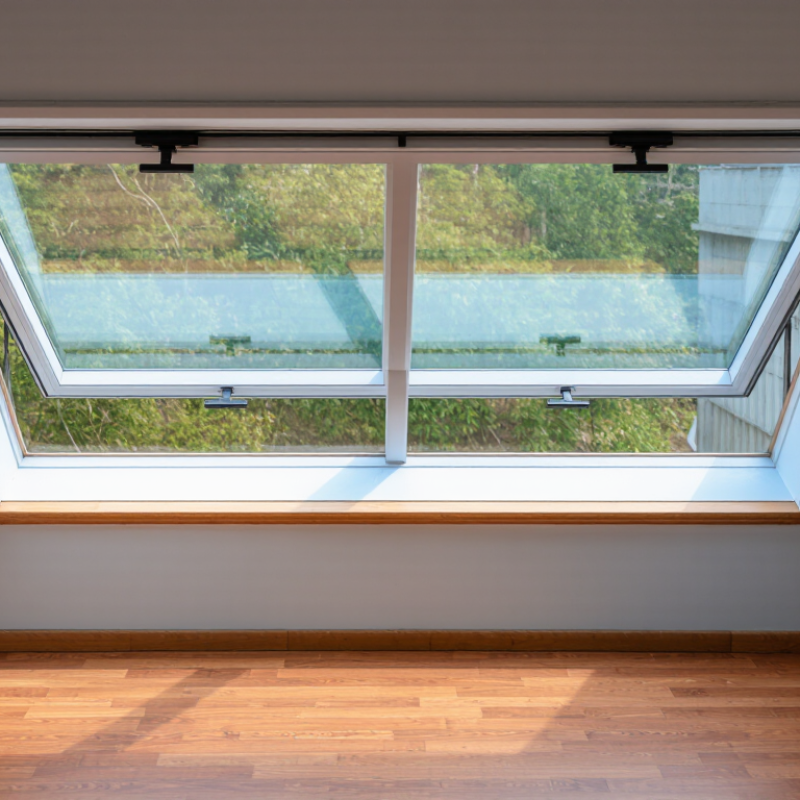
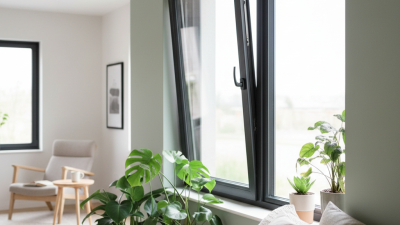
A hopper window is a compact window with a sash hinged along its bottom edge. When opened, the upper edge tilts inward, creating an opening near the top of the frame. A latch or crank may control the movement, depending on the design. Simple in principle.
This inward motion makes hopper windows useful in basements, bathrooms, and other spaces where wall area is limited. The angled sash can admit fresh air while helping deflect light rain, though it is not a substitute for a properly rated weather barrier. The actual performance depends on the frame, seals, installation, and exposure to wind. Small details matter.
To operate one, release the latch or turn the handle, then guide the sash inward. Hardware may limit how far it opens, which can help prevent the window from swinging too widely. Because the sash projects into the room, check for nearby shelves, faucets, or furniture before choosing a location. Also consider screen placement: an interior-opening sash can affect where a screen fits and how easily it can be removed. Measurements are easy to rush. Confirm the rough opening and the manufacturer’s installation requirements before ordering; dimensions and operating hardware vary between models.
How to Assess Your Project’s Ventilation and Space Needs
Before choosing a hopper window, consider how air moves through the room. Measure the space, then note where fresh air can enter and stale air can escape. A window helps most when it supports a clear airflow path, rather than opening toward a blocked corner. In a kitchen or bathroom, check whether an extractor fan already handles moisture and odors. The window can add ventilation, but it may not replace mechanical extraction.
Check the opening direction and the space it needs. Hopper windows usually tilt inward, so a deep sill, nearby shelf, or faucet may limit how far the sash can open. Measure from the frame to the nearest obstruction, not just the wall opening. Small details matter. Also consider the window’s height and reach. A high opening may preserve floor space, but it can be awkward to operate without a suitable handle or reachable control.
Think about everyday conditions, too. A street-facing opening may need a screen for insects or a restricted opening for practical safety. In a damp room, limited airflow can leave condensation on cold glass, even with a new window. A quick sketch with measurements can reveal conflicts, though it may miss trim thickness or uneven walls. Leave room for installation and hardware. A little extra clearance is rarely wasted.
How to Choose the Best Hopper Window for Your Project - How to Assess Your Project’s Ventilation and Space Needs
Use this project-planning table to compare room conditions, ventilation priorities, and interior clearance before selecting a hopper window. Room sizes below are illustrative examples, not ventilation-code requirements.
| Project Scenario | Example Room Size | Ventilation and Privacy Needs | Space Considerations | Hopper Window Planning Approach | Key Checks Before Selection |
|---|---|---|---|---|---|
| Basement bathroom | 2.0 m × 2.4 m 4.8 m² |
Provide natural ventilation where permitted; maintain privacy from adjacent properties. | An inward-opening sash may conflict with a sink, toilet, or wall-mounted fittings. | Consider a high-set hopper with privacy glazing. Confirm that the opening position and sash projection will not interfere with fixtures. | Check local requirements for bathroom ventilation, glazing safety, moisture resistance, and any required mechanical exhaust. |
| Small basement office | 2.4 m × 3.0 m 7.2 m² |
Allow fresh-air access and daylight while reducing direct sightlines from outside. | Furniture, shelving, or a desk near the window can obstruct an inward-opening sash. | Position the window above likely furniture height where practical. Compare the sash’s full opening arc with the planned desk and storage layout. | Check the room’s ventilation strategy, window well dimensions, drainage, security needs, and applicable emergency-escape rules. |
| Utility or laundry room | 2.4 m × 3.6 m 8.6 m² |
Ventilation may help with general air exchange, but it does not replace a required dryer exhaust or other dedicated exhaust system. | Appliances, counters, and wall cabinets may limit the usable opening area or sash clearance. | Locate the opening away from appliance doors and work surfaces. Coordinate the window with the dryer’s specified venting arrangement. | Verify appliance clearances, exhaust routing, moisture-control needs, and the window’s compatibility with the wall construction. |
| Ground-floor bedroom | 3.0 m × 3.6 m 10.8 m² |
Balance fresh-air access and privacy with any required emergency escape provision. | A hopper sash can project inward and may be difficult to use if a bed, radiator, or furniture sits below it. | Assess the opening from the planned bed and furniture positions. Do not assume a hopper window qualifies as an emergency escape opening. | Confirm local egress requirements, including required clear opening dimensions, opening method, sill height, and accessibility. |
| Below-grade recreation room | 3.6 m × 4.2 m 15.1 m² |
Consider the room’s overall ventilation plan, window-well air movement, daylight, and occupant use. | A deep window well or nearby landscaping can limit access, airflow, and maintenance. | Choose a size and location that suit the well and interior layout. Keep the well clear of debris and provide drainage appropriate to the site. | Review site drainage, waterproofing, window-well clearance, insect protection, and any locally required escape provisions. |
| Compact room with limited wall space | 2.1 m × 2.7 m 5.7 m² |
Use the available opening to support the room’s ventilation plan without compromising privacy or usable wall area. | A wide sash may intrude farther into the room; a narrow wall section can also limit frame size. | Compare several frame widths and opening positions against the furniture plan. Consider whether another window style better suits the available clearance. | Check rough-opening dimensions, wall framing, handle access, screen placement, and the manufacturer’s required installation clearances. |
Planning note: Window size alone does not establish ventilation performance. Actual airflow depends on the net free opening, opening angle, wind, temperature differences, room layout, and other building conditions. Confirm required ventilation and emergency-escape provisions with the applicable local building code and a qualified building professional.
How to Compare Frame Materials and Glazing Options
A hopper window tilts inward from the top, so its frame must handle both regular movement and damp air. Vinyl frames resist moisture and need little upkeep, but can feel less rigid in larger openings. Aluminum is strong and slim, though it may transfer heat unless it includes a thermal break. Wood offers a warm finish and useful insulation, but needs periodic sealing, especially near sinks or showers.
Glazing changes comfort as much as the frame does. Double glazing traps an insulating air space and can reduce cold drafts near the glass. Low-emissivity coatings may help limit heat loss, while laminated glass can improve sound control. Check the glass specifications, not just the number of panes. A well-rated unit can still perform poorly if its frame, seals, or installation are weak. I’d compare the whole window system, though that is easy to overlook.
Tips: Match the frame to your maintenance habits and exposure to rain. For a chilly room, compare whole-window insulation ratings and ask whether the glazing suits your climate. Check that the handle is reachable and the sash opens safely above nearby counters. Small details matter. Also consider condensation: even good glazing may fog if indoor humidity stays high. A comparison chart helps, but it cannot replace checking the actual opening and installation details.
How to Choose the Right Size, Opening Style, and Hardware
A good hopper window starts with the opening, not the catalog photo. Measure the rough opening at several points; older masonry can taper by a surprising amount. Compare the smallest measurement with the window’s installation requirements. Note the sill height, wall depth, and nearby pipes or shelving, too. A sash that clears an empty room may hit a laundry basket in daily use. Measure twice.
Hopper windows usually hinge at the bottom and tilt inward from the top. This brings in air, but the sash takes up interior space. Sketch its swing with masking tape before ordering. Choose hinges or stays rated for the sash weight, plus a latch you can reach easily. In a damp basement, moisture-resistant hardware and well-fitting seals matter. Check that screens can be removed for cleaning and that open windows won’t block a walkway. A wider opening sounds better, but it can be awkward beside a sink or storage shelf. One detail is easy to overlook: leave access to the frame’s drainage paths after installation.
How to Check Installation, Safety, and Maintenance Requirements
A hopper window usually tilts inward from a bottom hinge, so check what occupies the space below and inside the opening. Measure the rough opening at several points; older masonry openings are rarely perfectly square. The frame should sit level and plumb, with an even gap around it. A small error can make the sash bind or leave a draft. Confirm that the installer plans suitable flashing and drainage, especially in a basement where rainwater can collect. Details matter here.
Before ordering, verify the required opening size and any local egress or fall-protection rules. A window that opens is not automatically large enough for emergency escape. Ask how far the sash opens, whether a screen or restrictor changes that clearance, and how the unit will be secured. If children use the room, consider the opening height and access from nearby furniture. Do not guess.
For maintenance, check that the sash moves smoothly and that the hinges, seals, and fasteners show no rust or wear. Clear weep holes and remove grit from the track; trapped water can damage a frame over time. Look for peeling paint, soft surrounding wood, or recurring condensation after cold nights. Not every damp patch means a faulty window, though—it may point to indoor humidity or poor ventilation. Check the cause before replacing parts.
Related Posts
-
What Is the Best Hopper Window Type in 2026?
-
How to Choose a Hopper Window for Global Sourcing?
-
How to Choose the Best Hopper Window for Your Needs?
-
How to Choose the Best Hopper Window for Your Home?
-

Why Choose Triple Glazed Windows for Your Home Savings?
-

China Top 10 Exterior Windows Suppliers for Global Buyers?