
Blog
How to Choose the Best Vinyl Windows for Your Home?
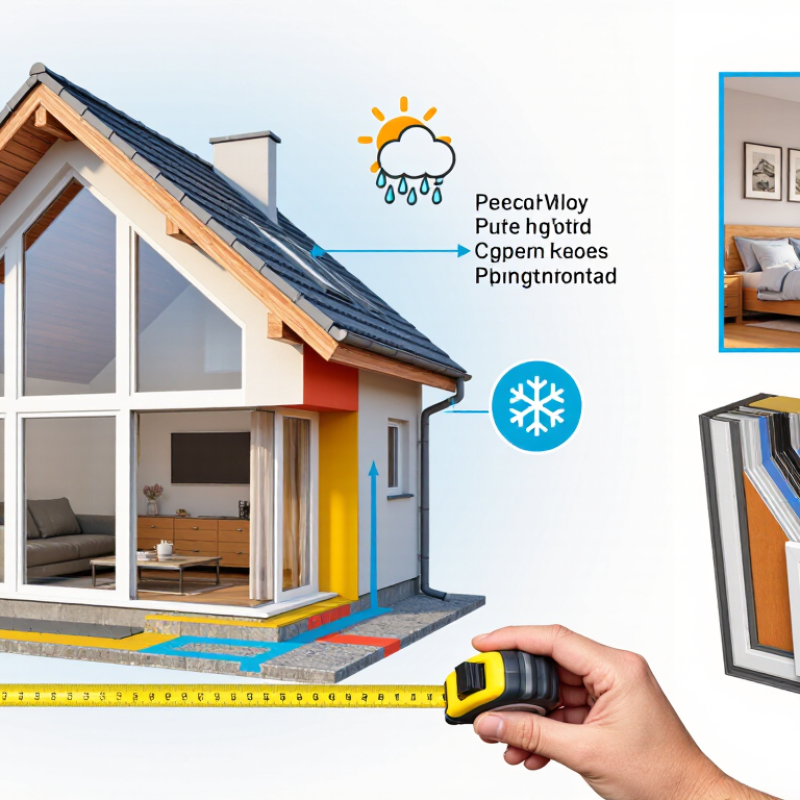
Choosing the best vinyl windows for your home involves more than comparing prices or admiring clean white frames. The right choice must suit your climate, wall structure, home style, and daily habits. A quiet bedroom may need better sound control, while a sunny living room may benefit from low-emissivity glass. Details matter.
Field experience shows that installation quality can matter as much as the window itself. Even a well-made unit can leak air or water when the opening is measured poorly. Building-science expert Joe Lstiburek often says, “Water is the enemy.” His warning applies directly to vinyl windows, especially around flashing, drainage, and exterior trim. Look for windows with tested performance ratings, dependable warranties, and installers who explain their methods clearly.
Energy efficiency deserves careful attention, but it should not become the only measure. A low U-factor may reduce heat loss, yet the best glass package depends on your region and sun exposure. Frame thickness, drainage design, hardware strength, and ease of cleaning also shape long-term value. I once treated attractive frames as the deciding factor; that was too simple. A beautiful window with weak hardware becomes frustrating after repeated use.
Not every premium feature is necessary. Some homes need stronger weather protection, while others benefit more from improved ventilation or noise reduction. Ask for documented ratings, not vague promises. Compare several quotations. Read the warranty limitations. Vinyl windows can offer durability and comfort, but only when their design and installation match the home. That final match is easy to overlook.
Understanding Vinyl Window Types and Frame Construction
How to Choose the Best Vinyl Windows for Your Home?
Understanding Vinyl Window Types and Frame Construction
Vinyl windows come in several operating styles, and each suits a different room. Double-hung windows allow both sashes to move. They work well in bedrooms and traditional homes. Sliding windows open horizontally and need little exterior clearance. Casement windows open outward with a crank, helping direct breezes indoors. Picture windows stay fixed and provide wide, unobstructed views. They do not provide ventilation.
Frame construction deserves equal attention. Look for thick vinyl walls and multiple internal chambers. These chambers can improve stiffness and reduce heat transfer. A reinforced frame may resist warping in larger openings. Welded corners usually create a tighter, more stable frame. Also inspect the sash, drainage paths, weather seals, and glazing system. A well-built frame still performs poorly if water cannot escape. I have seen homeowners focus on glass ratings while overlooking installation quality. That is an easy mistake.
Tips: Match the window type to how you use the room. Check the opening direction before choosing casement windows. Compare frame depth, reinforcement, and seal quality. Ask for performance test results, not vague claims. A lower price can be tempting. It may not reflect long-term durability. Examine samples in daylight, because vinyl color and frame bulk can look different indoors. Specification sheets help, but careful observation matters too.
How to Choose the Best Vinyl Windows for Your Home? - Understanding Vinyl Window Types and Frame Construction
| Category | Vinyl Window Option | How It Is Constructed or Operated | Typical Performance Characteristics | Best Suited For | Important Considerations |
|---|---|---|---|---|---|
| Window Type | Single-Hung | The lower sash moves vertically while the upper sash remains fixed. | Usually offers lower air leakage potential than many sliding designs because only one sash moves; ventilation is limited to the lower opening. | Budget-conscious projects, bedrooms, and traditional façades. | The exterior side of the upper glass is harder to clean from inside, especially on upper floors. |
| Window Type | Double-Hung | Both the upper and lower sashes move vertically, often tilting inward for cleaning. | Provides controllable ventilation at the top, bottom, or both; performance depends heavily on sash seals and installation quality. | Multi-story homes, bedrooms, living spaces, and replacement projects. | More moving parts and seals can increase maintenance needs compared with fixed windows. |
| Window Type | Casement | The sash is hinged at the side and opens outward with a crank or operator. | A compression seal around the sash can provide strong air-tightness; the open sash can catch breezes effectively. | Areas where ventilation, low air leakage, and unobstructed views are priorities. | Requires exterior clearance and may not be suitable beside walkways or narrow property lines. |
| Window Type | Awning | The sash is hinged at the top and opens outward from the bottom. | Can provide ventilation during light rain when the top-hinged sash is properly positioned. | Bathrooms, basements, kitchens, and high windows used for ventilation. | The outward projection needs to be clear of exterior obstructions. |
| Window Type | Horizontal Slider | One or more sashes slide horizontally along tracks. | Does not project outward and is easy to operate, but sliding seals and tracks may allow more air leakage than compression-sealed styles if poorly adjusted. | Wide openings, patios, rooms with limited exterior clearance, and accessible locations. | Only part of the opening provides ventilation, and tracks should be kept clean for smooth operation. |
| Window Type | Picture or Fixed Window | The glazed unit is permanently fixed within the vinyl frame and does not open. | Generally offers very low air leakage because there are no operating joints; energy performance is mainly determined by glazing and frame design. | Living rooms, scenic walls, stairwells, and spaces where daylight and views are important. | Cannot provide natural ventilation and may require a nearby operable window for emergency egress or fresh air. |
| Frame Construction | Multi-Chamber Vinyl Frame | Internal hollow chambers in the extruded PVC frame create multiple air spaces that reduce heat transfer and improve rigidity. | Thermal performance is generally better than a simple single-cavity profile, but the exact result depends on frame depth, reinforcement, glass, and seals. | Most climates where balanced insulation, durability, and cost are desired. | A higher chamber count alone does not guarantee better performance; compare certified whole-window ratings. |
| Frame Construction | Welded Vinyl Corners | The vinyl frame and sash corners are heat-fused, creating continuous joints rather than relying only on mechanical fasteners. | Can improve corner strength and resistance to air or water intrusion when properly manufactured and installed. | Replacement windows and new construction requiring durable, low-maintenance frame joints. | Weld quality, drainage design, installation, and seal condition remain critical. |
| Frame Construction | Reinforced Vinyl Frame | A metal or composite reinforcement may be placed inside selected vinyl chambers to improve structural stability. | Useful for larger units and high-wind applications; metal reinforcement can create a thermal bridge if not carefully designed. | Large windows, tall units, wide combinations, and regions with demanding wind-load requirements. | Ask whether reinforcement is required for the proposed size and local design pressures. |
| Glazing | Double-Glazed Insulating Glass | Two panes are separated by a sealed spacer and insulating air or gas-filled cavity. | Typically provides substantially better insulation than single glazing and can reduce interior condensation risk. | Most residential replacement and new-construction applications. | A failed seal can cause fogging between panes and reduce insulating performance. |
| Glazing | Low-Emissivity Coating | A microscopically thin coating on the glass reflects selected infrared energy while allowing visible light to pass. | Can reduce heat loss in cold conditions and limit unwanted solar heat gain, depending on coating selection. | Homes seeking improved year-round energy efficiency and indoor comfort. | Select the solar-control level according to climate, orientation, shading, and heating or cooling priorities. |
| Performance Metric | U-Factor | Measures the rate of heat transfer through the complete window; lower values indicate better insulation. | A practical target for many efficient double-glazed vinyl windows is approximately 0.25–0.35 Btu/h·ft²·°F, although certified values vary. | Cold climates and rooms with noticeable winter heat loss. | Compare whole-window values, not glass-only values, and use the rating system required in your region. |
| Performance Metric | Solar Heat Gain Coefficient | Indicates the fraction of solar radiation entering through the window; lower values admit less solar heat. | Common residential values may range from about 0.20 to 0.45, depending on glazing and climate strategy. | Lower SHGC can help cooling-dominated homes; moderate or higher SHGC may benefit sunny cold-climate exposures. | Consider window orientation and exterior shading instead of selecting the same SHGC for every elevation. |
| Performance Metric | Air Leakage Rating | Measures the volume of air passing through a closed window under a standard pressure difference; lower values are better. | A lower certified rating generally indicates better resistance to drafts, but installation quality strongly affects real-world results. | Windy, cold, or exposed locations where drafts are a major concern. | Request independently tested ratings and ensure the rough opening is properly sealed during installation. |
Note: Performance ranges are representative planning values, not guarantees. Final selection should be based on certified whole-window ratings, local climate requirements, window size, orientation, and professional installation.
Related Posts
-

How to Choose the Best Vinyl Windows for Your Home Renovation
-
Top 10 Benefits of Vinyl Windows for Your Home Improvement Project
-

How to Choose Vinyl Windows for Your Home Improvement?
-

Top Door Window Trends for 2025 You Need to Know About
-

How to Choose the Best Double Glazed Glass for Your Project?
-
What Is a Door Window and How Does It Work?