Why Is Double Glazing Important for Your Home?
On a frosty morning, single-pane glass can feel cold even when the radiator is warm. Double glazing adds an insulating air or gas-filled space between two panes, helping reduce heat transfer through the window. As building scientist Joseph Lstiburek puts it, “A building is a system.” Windows matter, but so do walls, ventilation, and installation quality.
The benefits can be tangible. Rooms may feel more comfortable, outside noise may be reduced, and interior glass may be less prone to condensation. Results depend on the glazing specification, frame condition, seals, and local climate. Small details matter. A poorly fitted unit can still leave cold drafts around the edges. And double glazing is not a cure-all; ventilation remains important for managing indoor moisture.
When weighing an upgrade, check the window’s energy rating, ask how it will be fitted, and compare written quotes. Look closely at the frame corners and seals in any existing windows; gaps or soft, damaged material can undermine performance. The best choice is not always the most expensive one. It should suit the home and its actual problems. That may sound obvious, yet it is easy to focus on glass alone. A careful assessment can help homeowners understand where double glazing may make a difference—and where it may not.
What Double Glazing Is and How It Works
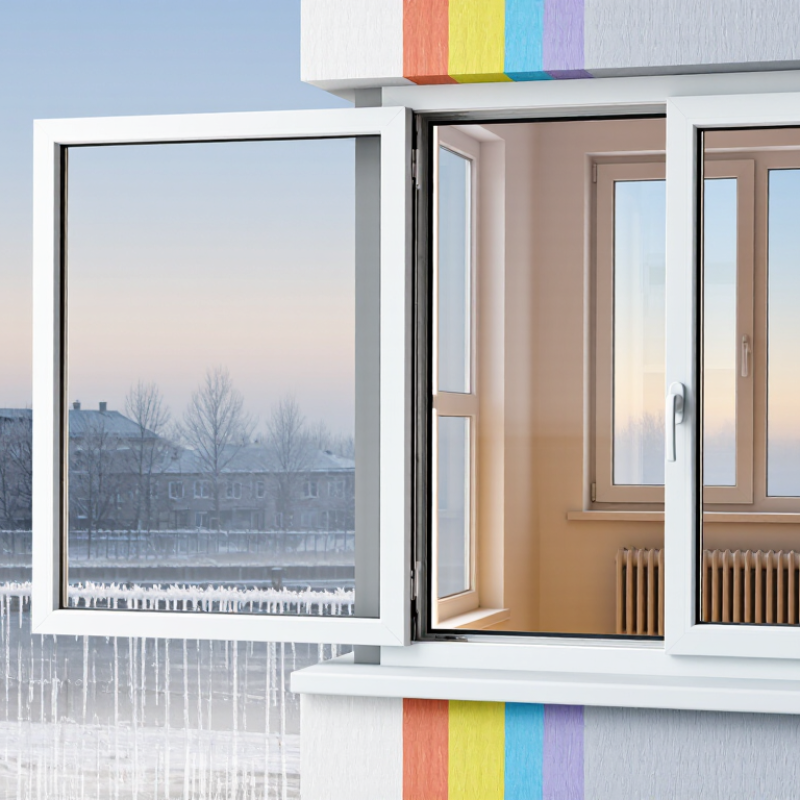
Double glazing uses two panes of glass separated by a narrow, sealed space. A spacer keeps the panes apart, while seals around the unit help prevent moisture from entering the cavity. The gap usually contains dry air; some units use an insulating gas, such as argon. That gap matters. It slows heat moving through the window by conduction and convection. Special low-emissivity coatings can also reflect some heat back into a room while allowing daylight through.
In a home, the effect is noticeable near a window on a cold morning: the inner pane may feel less chilly than single glass. Double glazing can also reduce some outside noise, though it does not make a room soundproof. Different glass thicknesses and a well-sealed frame influence the result. It is not magic. A poorly fitted unit, worn seals, or gaps around the frame can undermine its performance.
One detail is easy to overlook: condensation on the room-facing glass can still happen when indoor air is humid and the surface is cold. Condensation between the panes is different and may indicate that the sealed unit has failed. So the glass is only part of the system; installation and the condition of the frame matter too.
How Double Glazing Reduces Heat Loss and Outside Noise
Why Is Double Glazing Important for Your Home?
How Double Glazing Reduces Heat Loss and Outside Noise
Double glazing uses two panes of glass separated by a sealed gap. That gap slows heat moving from a warm room to colder outdoor air. In winter, the inside pane often feels less chilly, and rooms may stay comfortable for longer. It is not a heater, though. Results depend on the window frame, seals, installation, and the rest of the home’s insulation. A poorly fitted unit can still let draughts through.
The extra pane and air gap can also soften outside sounds, such as passing cars or steady neighbourhood chatter. The change is usually most noticeable when windows are closed. It will not make a busy street silent. Glass thickness, pane spacing, and gaps around the frame all affect noise reduction. One detail people sometimes overlook is ventilation: tightly sealed windows may contribute to indoor condensation if moisture has nowhere to go. Check room humidity and air flow, too.
Tips: Look for cold draughts around the frame on a windy day. Ask an experienced installer how the proposed glass and frame suit your room and local noise. Compare comfort after fitting; expectations may need adjusting.
Its Effects on Energy Use, Comfort, and Home Security
Double glazing matters because it changes how a room feels, not just how a window looks. Two panes with an insulating gap slow heat transfer, helping rooms stay warmer in winter and cooler in summer. The U.S. Department of Energy’s Energy Saver guidance estimates that windows account for 25–30% of residential heating and cooling energy use. That is significant. Better-performing windows can reduce drafts and heating demand, though results depend on the whole home, installation quality, and local climate.
Tips: On a chilly evening, sit near the window and notice any cold airflow or condensation. Check the seals and frame, not only the glass. Ask an installer about the unit’s energy rating and ventilation needs; airtightness without suitable ventilation can create new problems.
Comfort is only part of the picture. A well-fitted unit can soften traffic noise and make an exposed room feel less draughty. For security, though, two panes alone are no guarantee. The frame, locks, installation, and glass specification all matter; police security guidance commonly assesses the complete window assembly. A laminated inner pane may resist impact better than ordinary glass, but it can cost more. It is easy to focus on the glazing and overlook a weak frame. That detail matters.
Factors That Influence Its Performance and Suitability
Why Is Double Glazing Important for Your Home?
Factors That Influence Its Performance and Suitability
Double glazing can reduce heat transfer, outside noise, and cold drafts, but results depend on the whole window, not just its panes. The gap between the glass, frame material, seals, and installation all matter. A poorly fitted unit may still let air leak around its edges. On a chilly morning, that can mean a cold patch near the sill, even when the glass itself is doing its job. Climate and window orientation also affect which features are most useful.
Tips: Check seals for cracks, feel for drafts around the frame, and note condensation between panes. Compare the full window specification, not just the glass. Ask a qualified installer how the proposed unit suits your home’s exposure and ventilation needs.
There is no universal best option. Homes facing a busy road may benefit from different glazing than sheltered homes in mild areas. Low-emissivity coatings and gas-filled gaps can improve insulation, though their value depends on the product and installation. Replacing windows may not solve every comfort problem; roof or wall heat loss could be more significant. It is tempting to focus on one number, but real performance can be less tidy than a brochure suggests. Check local conditions and the existing frame before deciding.
Installation, Maintenance, and Long-Term Value of Double Glazing
Good double glazing starts with accurate measurements, not just attractive frames. An installer should check each opening, the wall condition, and ventilation needs before ordering units. Even a small gap around a frame can let in draughts and moisture. Ask how the old frame will be removed and how the edges will be sealed. Details matter. Poor fitting can weaken the benefits of otherwise efficient glass.
Maintenance is usually simple. Wipe frames with mild soapy water, and keep drainage channels clear of dirt and leaves. Check hinges, handles, and seals occasionally; stiff movement or visible gaps may need attention. Condensation between panes can indicate a failed sealed unit, while moisture on the room-facing glass may relate to indoor humidity or ventilation. These signs are not always easy to interpret. A qualified inspection can help identify the cause before repairs are chosen.
Long-term value depends on the home, climate, and installation quality. Better insulation may reduce heat loss and make rooms feel less draughty, but savings vary with energy use and existing insulation. Noise reduction also depends on glass type and the surrounding building. It is tempting to expect a dramatic change everywhere; that expectation may be too optimistic. Compare written specifications, warranties, and repair options, not price alone. A modest improvement can still matter over years.