Skip to Content
chevron-left chevron-right chevron-up chevron-right chevron-left arrow-back star phone quote checkbox-checked search wrench info shield play connection mobile coin-dollar spoon-knife ticket pushpin location gift fire feed bubbles home heart calendar price-tag credit-card clock envelop facebook instagram twitter youtube pinterest yelp google reddit linkedin envelope bbb pinterest homeadvisor angies

Why Are Window Parts Important for Global Buyers?

Why Are Window Parts Important for Global Buyers?

For global buyers, window parts are not minor accessories. They influence energy performance, safety, installation speed, and long-term maintenance. A worn gasket can allow rainwater into a room. A poor-quality hinge can make a heavy sash difficult to operate. These small failures become expensive when replacement parts cross borders.

The International Energy Agency reports that buildings consume about 30% of global final energy and produce roughly 26% of energy-related emissions. The 2023 Global Status Report for Buildings and Construction also highlights continuing pressure to improve building efficiency. Window parts support that goal through thermal breaks, low-conductivity spacers, weather seals, durable locks, and compatible fasteners. However, product claims are not always comparable. Buyers should examine test methods, material specifications, tolerances, and certification records.

Building-science expert Joseph Lstiburek often describes a window simply: “A window is a hole in the wall.” That statement sounds basic. It is not. Every part helps control air, water, heat, and movement around that opening. For international purchasers, compatibility matters as much as price. A seal designed for one profile may fail inside another. A replacement handle may fit visually but not mechanically.

Standards help. Careful verification helps more.

Reports from the IEA and UNEP provide the wider energy context, while manufacturer test data supports purchasing decisions. Yet buyers should remain cautious about incomplete supplier information, changing materials, and uncertain delivery conditions. The best sourcing process asks practical questions before placing an order: Will the part fit? Can its performance be verified? Will support remain available after installation?
Why Are Window Parts Important for Global Buyers?

What Are Window Parts and What Functions Do They Serve?

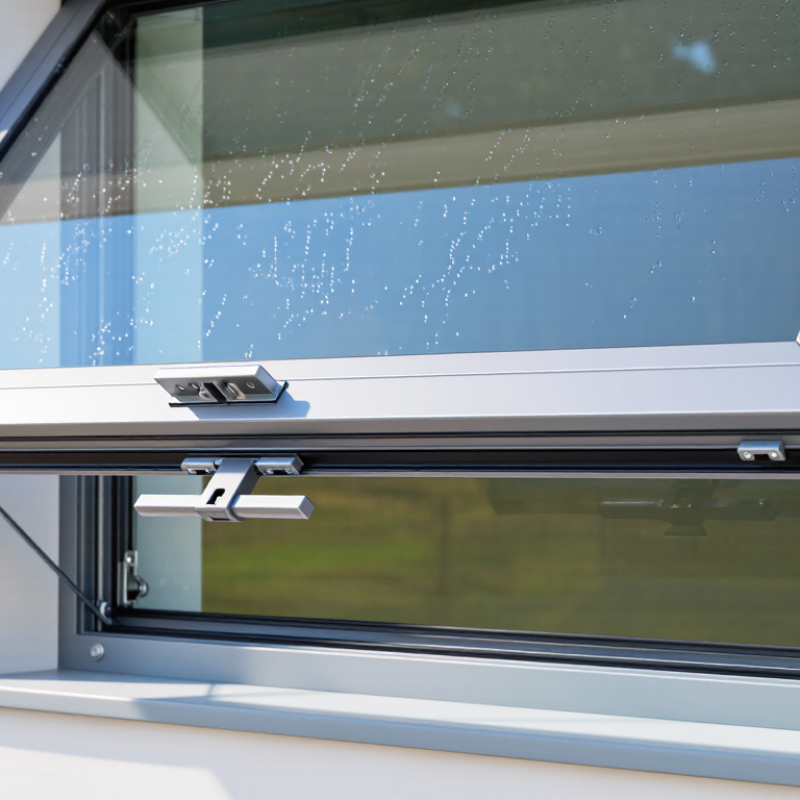
Window parts are the working elements behind a window’s performance. The frame supports the assembly and connects it to the wall. The sash holds the glass and moves in operable designs. Glazing admits daylight while limiting heat transfer, noise, and wind exposure. Spacers keep glass panes apart, while seals reduce air and moisture leakage. Hardware controls opening, locking, and ventilation. Flashing and drainage paths help guide rainwater away from the building.

These parts directly affect energy use. The U.S. Department of Energy reports that windows can cause 25–30% of residential heating and cooling energy use through heat gain, heat loss, and air leakage (Energy Saver: Windows, 2024). The International Energy Agency also identifies buildings as responsible for about 30% of global final energy consumption (Buildings 2023). A poorly fitted gasket may seem minor, yet it can create a cold edge around the room. Small failures matter.

Global buyers should examine each component, not only the visible glass. NFRC performance ratings help compare U-factor, solar heat gain, and air leakage under consistent testing. Local climate still changes the decision. A hot coastal project may need solar control and corrosion-resistant hardware. A cold inland site may require insulated frames and warm-edge spacers. Specifications can look complete on paper, but installation often remains the weak point. This is where careful inspection is necessary.

Why Are Window Parts Important for Global Buyers?

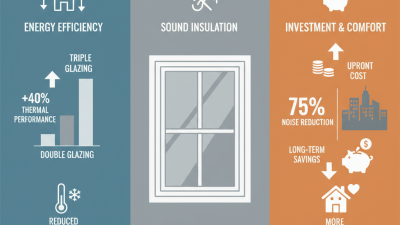
Window components such as glazing, frames, coatings, spacers, and seals work together to control heat and sunlight. Their performance directly affects building comfort, energy consumption, durability, and long-term maintenance requirements.

The U.S. Department of Energy reports that windows can account for approximately 25%–30% of residential heating and cooling energy use, while up to 76% of sunlight striking standard double-pane windows can enter during the cooling season. These figures show why global buyers should evaluate the complete window system rather than a single component.

Source: U.S. Department of Energy, Energy Saver, “Windows.”

How Do Window Components Affect Energy Efficiency and Comfort?

Window components directly shape indoor energy use and comfort. The U.S. Department of Energy reports that windows can account for 25–30% of residential heating and cooling energy consumption. This loss rarely comes from glass alone. Frames, spacers, seals, and installation joints also influence performance.

Glass selection matters. Low-emissivity coatings reduce radiant heat transfer, while insulating glass units slow conductive heat flow. In warm climates, a lower solar heat gain coefficient can reduce afternoon overheating. In colder regions, suitable solar gain may support passive warmth. The International Energy Agency notes that building envelopes are central to reducing global building energy demand. Window specifications should reflect local climate, orientation, and shading conditions.

Small gaps can undermine expensive components. Professional testing uses U-factor, solar heat gain coefficient, visible transmittance, and air-leakage ratings to compare products consistently. The National Fenestration Rating Council explains that these metrics help buyers evaluate whole-window performance, not glass performance alone. In practical inspections, poorly compressed gaskets often create drafts near corners. Comfort suffers first.

Yet ratings are not the whole story. A highly efficient window may perform poorly when installed without proper flashing or insulation. The Energy Star Residential Windows, Doors, and Skylights criteria indicate that qualified products can improve heating and cooling efficiency, but actual savings depend on climate and installation. Global buyers should request certified test data and installation guidance. I would not treat one impressive number as proof of comfort. Real buildings are less tidy than laboratory conditions.

Which Materials and Standards Matter to Global Window Buyers?

Global window buyers need more than attractive frames. Material choice affects thermal performance, durability, maintenance, and shipping risk. Aluminum offers strong, slim profiles, but it may conduct heat without a proper thermal break. uPVC provides useful insulation and resists moisture. Timber feels warm and natural, yet it needs careful finishing in humid climates. Glass also matters. Double glazing, low-emissivity coatings, and gas-filled cavities can reduce heat transfer, but only when the complete window system is tested.

Tips: Ask for verified test reports, not broad sales claims. Check air leakage, water penetration, wind resistance, thermal transmittance, and solar heat gain. Standards differ between regions, so confirm which local building requirements apply before production. A window passing one regional test may still need another evaluation elsewhere. This detail is often missed. It can delay a project.

Reliable suppliers should provide drawings, material specifications, tolerances, installation guidance, and batch records. Inspect samples closely. Look at corner joints, drainage openings, gasket contact, and hardware movement. A beautiful sample can hide weak assembly. Buyers should also review packaging for long-distance transport, especially around glass edges and frame corners. I have seen minor packaging decisions create major replacement costs.

No checklist is perfect. Site exposure, installer skill, and climate can change real performance. Clear documentation and independent verification make purchasing decisions safer.

How Do Window Parts Influence Installation, Maintenance, and Durability?

Window parts strongly influence installation, maintenance, and durability for global buyers. A frame, hinge, seal, or drainage channel may appear small, but each part affects the whole window system. During installation, correctly sized components reduce fitting errors and prevent uneven pressure on the frame.

Small gaps matter.

Experienced installers check screw positions, gasket compression, and corner alignment before sealing the window. Poorly matched parts can cause air leakage, water penetration, or difficult operation. These problems may not appear immediately. They often emerge after seasonal temperature changes, heavy rain, or repeated opening.

Maintenance also depends on accessible and compatible parts. Replaceable handles, rollers, seals, and fasteners help technicians work efficiently. Clear dimensions and material information make international sourcing safer.

Yet specifications alone are not enough. Actual building conditions, local weather, and installation habits can change performance. A component suitable for a dry climate may deteriorate faster in coastal air.

Stainless fasteners can help, but they still require correct selection and inspection.

Durability comes from cooperation between parts, not one strong component.

A durable seal cannot correct a warped frame. A strong hinge cannot compensate for incorrect installation. This is often overlooked. Global buyers should review service procedures, replacement availability, and maintenance instructions before purchase.

Keeping a few critical spare parts onsite can reduce downtime, although storage conditions must be controlled. Even reliable systems need inspection. That detail is easy to miss.

How Can Buyers Evaluate Window Parts for Different Markets?

Global buyers should evaluate window parts against local climate, codes, and installation habits. The U.S. Department of Energy reports that windows can cause 25–30% of residential heating and cooling energy use. Therefore, buyers should compare U-factor, solar heat gain coefficient, air leakage, and visible transmittance. A low U-factor is not automatically best. In hot markets, excessive solar gain may still raise cooling costs.

Climate changes the parts that matter. Coastal projects need corrosion-resistant rollers, hinges, screws, and drainage components. Cold regions need stable gaskets, warm-edge spacers, and tight compression. In windy or rainy areas, buyers should request air-infiltration, water-penetration, and structural-load test results. The International Energy Agency’s 2023 Global Status Report states that buildings consume about 30% of global final energy. Small sealing failures can become expensive at scale.

Standards also require careful comparison. Buyers should check whether test methods match local requirements, such as EN, ASTM, or national standards. Ask for batch records, material specifications, salt-spray results, and compatibility data. A handle may fit the profile but fail after repeated cycles. That mistake is common. Field samples should be tested with the actual frame, glass weight, drainage route, and fasteners. Reports from laboratories help, but they do not replace site trials. Even experienced teams can overlook humidity, installer skill, or replacement-part availability. Evaluation must include the full service life, not only the purchase price.