Blog
What Is the Best Hopper Window Type in 2026?
Choosing the best hopper window in 2026 means matching its design to the room, climate, and everyday needs. A hopper window tilts inward from the top, making it a practical option for basements, bathrooms, and other spaces where privacy matters. Its compact opening can admit fresh air without requiring a large swing area. Small details matter.
This guide compares common hopper window types by frame material, glazing, hardware, ventilation, and ease of cleaning. A vinyl frame may suit buyers seeking simple maintenance, while wood or aluminum options can offer different appearances and performance characteristics. Neither is automatically best. Glass type, weather seals, installation quality, and the manufacturer’s specifications can affect comfort as much as the frame itself. Look closely at the corners and locking points; these are easy to overlook in a showroom.
The right selection also depends on where the window will sit. A humid bathroom, a shaded basement, and a sun-exposed utility room place different demands on a window. Consider how much ventilation you need, whether the sash can be reached safely, and how the inward tilt affects nearby furniture or fixtures. Check product ratings and installation guidance, and confirm that the chosen model suits your opening and local requirements. There is no universal winner. The comparisons ahead explain which features are worth prioritizing, where cheaper options may fall short, and when a premium upgrade may not add meaningful value. Real conditions can differ from product descriptions, so verify details before buying.
How Hopper Windows Work and Where They Are Used
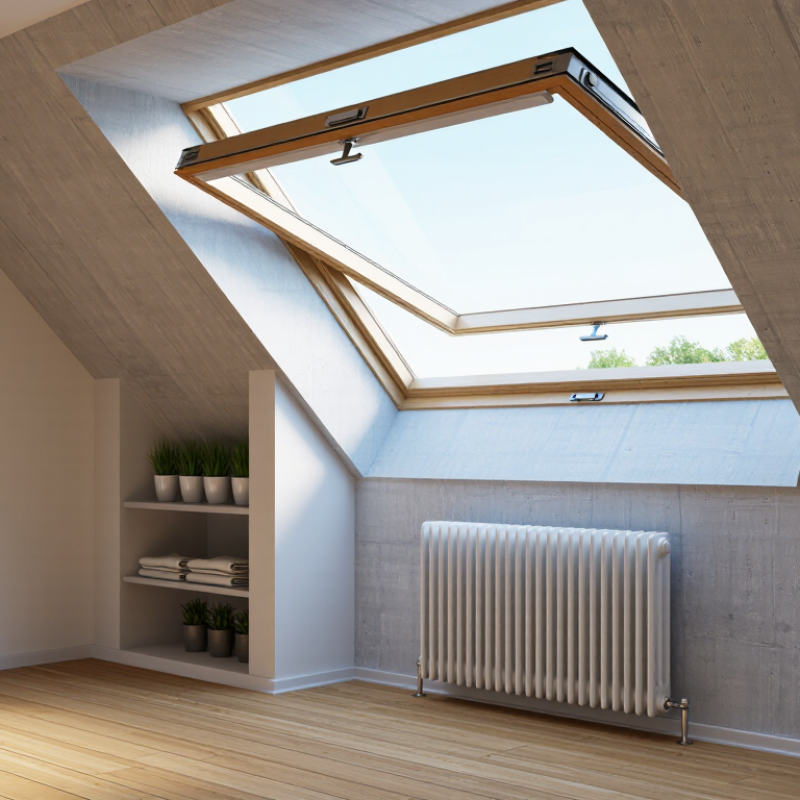
A hopper window is hinged along its bottom edge. Its sash tilts inward from the top, allowing controlled ventilation through a compact opening. You’ll often find them in basements, bathrooms, laundry rooms, and utility spaces, where wall space is limited. The inward swing needs clearance; a shelf or laundry basket can block it. That detail is easy to overlook.
The U.S. Energy Information Administration’s 2020 Residential Energy Consumption Survey found that space heating accounted for about 42% of household energy use. That makes a hopper’s seal important in cold months. Drafts can come from worn gaskets, loose hardware, or poor installation—not just the window design. I’d check that the sash closes evenly and compresses the seal around its full perimeter.
ENERGY STAR reports that replacing single-pane windows with certified models can reduce average household energy bills by about 12%. That figure is not specific to hopper windows, and actual savings vary. Compare National Fenestration Rating Council label values, including U-factor and solar heat gain coefficient, for your climate. A small hopper may ventilate well, but it may not provide a large clear opening; check the opening size before relying on it for access or escape.
The Main Types of Hopper Windows Available in 2026
Hopper windows in 2026 are available in several practical configurations. The standard single-sash type is bottom-hinged and opens inward at the top. It suits basements, utility rooms, and other spaces where a compact opening matters. A simple latch can make routine ventilation easy. Check that the open sash will not obstruct shelves, a sink, or a walkway.
Paired hopper windows place two operable sashes side by side, providing a wider opening and more airflow. Another option combines an operable hopper sash with fixed glass, which brings in daylight while limiting the area that opens.
Frame choices commonly include vinyl, aluminum, and wood; compare insulation, upkeep, and moisture resistance for the room’s conditions. Details matter. Ask how the unit drains water and how its hardware handles repeated use. Inward-opening designs are common, but product terminology can vary, so confirm the hinge position and opening direction before ordering. I would not choose by the name alone. A small basement window may ventilate well yet still offer limited light or access; measure the clear opening, not just the frame.
Key Factors for Comparing Hopper Window Types
Choosing a hopper window in 2026 means comparing more than appearance. Start with how the sash opens. Inward-opening models are easier to clean from indoors, while outward-opening designs may keep the sash clear of interior fixtures. Check the opening direction against nearby taps, shelving, and walkways. A window that looks right on a plan can feel awkward beside a deep sink.
Ventilation and weather resistance matter, too. A narrow opening can release warm, damp air, but airflow depends on room layout and window size. Look for secure hinges, a dependable latch, and drainage paths that do not trap water. Ask how the frame and seals handle the local climate; material performance varies with exposure and maintenance. Small details matter. For a bathroom, privacy glazing may help, though it can reduce daylight slightly. That trade-off is easy to overlook.
Compare glazing, frame upkeep, and installation requirements before settling on a type. Double glazing can improve insulation and reduce outside noise, but the frame must support its weight and fit the opening accurately. Measure the reveal, then confirm dimensions with a qualified installer. Measure twice. I would not choose on ventilation claims alone: room size, extractor fans, and daily habits all affect results. Even careful comparisons leave some uncertainty until the window is fitted and used.
How Materials and Glazing Affect Hopper Window Performance
What Is the Best Hopper Window Type in 2026?
How Materials and Glazing Affect Hopper Window Performance
For hopper windows, frame material affects insulation, upkeep, and how well the sash stays aligned. Fiberglass resists expansion and contraction, while wood insulates naturally but needs regular maintenance. Aluminum is durable, yet conducts heat readily unless it includes a thermal break. Vinyl can be a practical low-maintenance choice, though quality and frame design vary. There is no universal winner.
Glazing matters just as much. The U.S. Department of Energy’s Energy Saver guidance estimates that windows account for about 25–30% of household heating and cooling energy use. Double glazing with low-emissivity coatings can reduce heat transfer; in colder climates, triple glazing may offer extra insulation, but adds cost and weight. Check the National Fenestration Rating Council label for U-factor and solar heat gain coefficient (SHGC). Lower U-factor means better insulation; the useful SHGC depends on climate and window orientation. A high-performing pane cannot fix a poorly sealed installation. Small gaps matter.
Tips: Ask for ratings for the complete window, not just the glass. For a bathroom or basement, check the opening angle, screen fit, and moisture-resistant finish. Compare quotes. Then verify the unit fits the rough opening; that detail is easy to overlook.
How to read this chart: Lower U-factor means less heat transfer and better insulation. These are indicative values for comparable whole-window units, not guaranteed ratings; frame design, seals, window size, and installation affect actual performance. Low-E coatings and gas-filled panes can improve glazing performance, while vinyl or fiberglass frames—and thermally broken aluminum frames—typically reduce heat transfer compared with non-thermally-broken aluminum. Compare certified ratings for the specific hopper window you’re considering.
How to Choose a Hopper Window for Your Space
Choosing a hopper window starts with the room, not the product label. A hopper window is hinged along its bottom edge and opens inward from the top. That movement can bring fresh air into a basement, bathroom, or utility room while keeping the opening relatively compact. Small details matter. Check the clearance inside: a faucet, shelf, or laundry basket can block the sash. Measure twice.
Think about how much ventilation you need and where rain may collect outside. A small opening may suit a damp basement, but it will not replace a properly sized window when a room needs more airflow or daylight. In bathrooms, consider privacy glass and a finish that tolerates moisture. For bedrooms or other spaces with specific exit requirements, verify local building rules and the window’s clear opening before choosing a style. The frame also matters: compare maintenance needs, insulation, and hardware quality, rather than judging by appearance alone.
Installation conditions can change the right choice. Deep window wells, narrow interior ledges, and exterior obstructions may limit how far a sash can open. Ask an experienced installer to check drainage, measurements, and operation on site. I would not assume the largest unit is automatically best; a poorly placed sash can be awkward to reach and clean. Even careful planning misses things sometimes. Test the handle and opening path in the actual room before committing.
Related Posts
-
How to Choose the Best Hopper Window for Your Needs?
-
Top 10 Benefits of Triple Glazed Windows for Energy Efficiency and Home Comfort
-

China Top Hopper Window Suppliers for Global Buyers?
-

How to Choose Double Glass Windows for Your Home?
-
What Are the 2026 Top Types of Aluminum Doors and Windows?
-

How to Choose Fiberglass Windows for Your Home in 2025