Blog
10 Best Windows and Doors Manufacturers Worldwide
Choosing the best windows and doors manufacturers worldwide requires more than comparing glossy brochures. It means examining thermal performance, air leakage, water resistance, security, materials, warranties, and installation support. Climate matters too. A product suited to a cold Scandinavian winter may not perform equally well in humid Southeast Asia.
Building-science expert Steve Baczek describes a window as “the most complicated hole in the wall.” That observation explains why windows and doors deserve careful evaluation. A narrow frame, weak seal, or poor flashing detail can create drafts, condensation, and expensive damage. Small details count.
This guide reviews ten respected manufacturers across major markets. The selection considers product innovation, manufacturing experience, certification, design flexibility, and feedback from architects, builders, and homeowners. It also considers how companies address energy efficiency and responsible material use. These factors support a more reliable comparison of windows and doors for homes, offices, and high-performance buildings.
Still, no global list is perfect. “Best” depends on budget, local weather, building codes, and installer skill. A premium product can disappoint when fitted carelessly. That point is easy to overlook. Readers should verify regional availability, independent test data, and warranty conditions before making a purchase. The brands discussed here offer strong credentials, but their suitability must be judged against real project needs, not reputation alone.
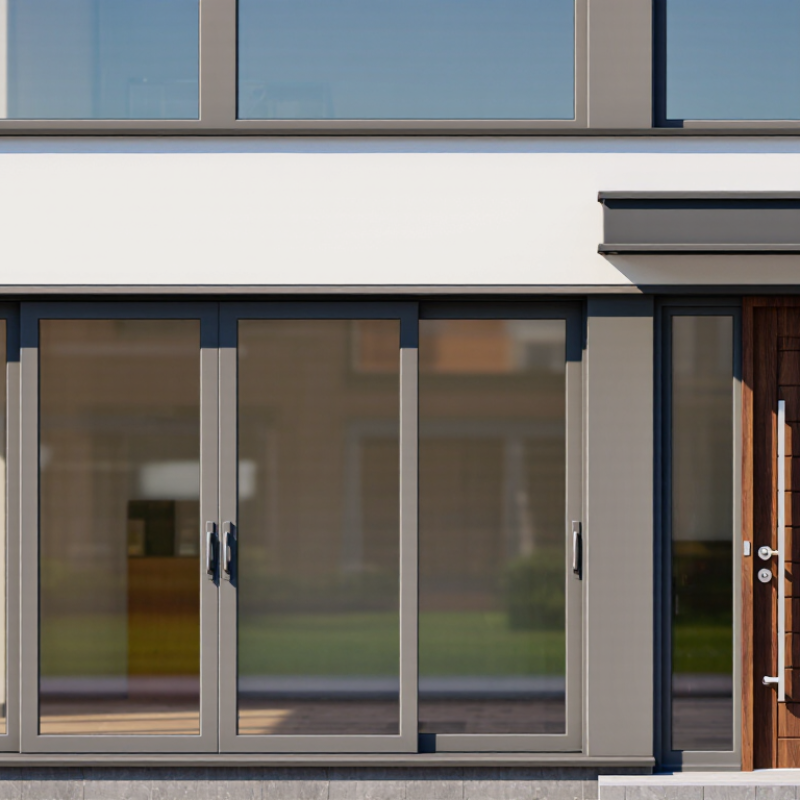
Global Industry Context: Buildings Consume About 30% of Final Energy (IEA)
Buildings consume about 30% of global final energy, according to the International Energy Agency’s Buildings 2023 analysis. That figure changes how we judge window and door manufacturers worldwide. Product quality is not only about appearance or price. It affects heating, cooling, air leakage, and indoor comfort for decades. The IEA also reports that building operations create roughly 26% of global energy-related emissions. A poorly sealed frame can quietly increase energy use every day.
The best manufacturers usually publish measurable data, including U-values, solar heat-gain coefficients, air-leakage rates, and acoustic performance. These figures help buyers compare products across different climates. The Global Status Report for Buildings and Construction, published by UNEP, highlights the sector’s rising energy demand and urgent need for better efficiency. Still, a low U-value does not guarantee a perfect installation. Site conditions matter. So do glazing orientation, shading, drainage, and installer skill. This is where many rankings become too simple.
Tips: Check independent test certificates, not only marketing claims. Ask whether performance data applies to the complete window or door system. Review local climate requirements before choosing triple glazing. In warm regions, external shading may deliver stronger results than thicker glass. Measure openings carefully. Small installation gaps can undermine expensive products, and that practical detail is easy to overlook.
10 Best Windows and Doors Manufacturers Worldwide
Global Industry Context: Buildings Consume About 30% of Final Energy (IEA)
This brand-neutral comparison framework highlights the measurable performance indicators that can be used to evaluate international window and door manufacturers without ranking or disclosing company-specific data.
| No. | Evaluation Dimension | Verified Industry Data or Benchmark | Technical Interpretation | Reference Standard or Source |
|---|---|---|---|---|
| 01 | Global Energy Relevance | Buildings account for approximately 30% of global final energy consumption. | High-performance windows and doors can reduce heating and cooling demand through improved insulation, airtightness, and solar control. | International Energy Agency, Buildings sector analysis |
| 02 | Operational Carbon Impact | Buildings generate approximately 26% of global energy-related greenhouse-gas emissions when direct and indirect emissions are considered. | Lower heat transfer and reduced air leakage help decrease energy-related emissions during the building-use phase. | International Energy Agency, Global Buildings Status analysis |
| 03 | Thermal Transmittance | U-value is measured in W/m²·K; a lower value indicates better resistance to heat transfer. | The complete window or door assembly should be assessed, including glazing, frame, spacers, and edge conditions. | ISO 10077-1; EN 14351-1; applicable regional energy codes |
| 04 | Solar Heat Gain Control | Solar Heat Gain Coefficient, or SHGC, is expressed from 0 to 1; lower values admit less solar heat. | A suitable SHGC depends on climate, orientation, shading, and whether passive solar gain is desirable. | NFRC 200; ISO 19467; regional energy-performance programs |
| 05 | Air Permeability | European air-permeability classifications range from Class 1 to Class 4, with Class 4 representing the tightest classification under EN 12207. | Lower uncontrolled air leakage improves comfort, moisture control, and heating or cooling efficiency. | EN 1026 and EN 12207; ASTM E283 |
| 06 | Water-Tightness Performance | Water-tightness is tested by applying controlled water spray and pressure; higher classified test pressures indicate greater resistance under the applicable system. | Performance should be matched to local rainfall, wind exposure, façade height, drainage design, and installation quality. | EN 1027 and EN 12208; ASTM E331 |
| 07 | Wind Load Resistance | Wind resistance is evaluated through pressure testing and classification under standards such as EN 12210 and ASTM E330. | Required capacity depends on building height, exposure category, opening size, local wind speed, and structural design. | EN 12210; ASTM E330/E330M; local structural codes |
| 08 | Acoustic Insulation | Weighted sound-reduction performance is commonly reported as Rw in decibels under ISO 717-1; higher values indicate better laboratory sound insulation. | Actual indoor results also depend on wall construction, installation joints, ventilation paths, and surrounding noise frequencies. | ISO 10140 series; ISO 717-1; ASTM E90 |
| 09 | Daylight Transmission | Visible Transmittance, or VT, is expressed from 0 to 1; higher values generally allow more visible daylight through glazing. | VT should be balanced with glare control, solar heat gain, privacy requirements, and the building’s daylight strategy. | NFRC 200; ISO 9050 |
| 10 | Environmental Product Transparency | Environmental Product Declarations use life-cycle assessment to report environmental impacts across defined product stages. | Transparent declarations support comparison of embodied carbon, resource use, manufacturing impacts, and end-of-life scenarios. | ISO 14025; ISO 14040 and ISO 14044; EN 15804 |
Technical Benchmarks: U-Factor, SHGC, Air Leakage, and Water Resistance
The best windows and doors are judged by measured performance, not attractive brochures. Experienced evaluators begin with U-factor, which indicates heat transfer through the whole product. Lower values generally improve insulation. However, frame material, glass spacing, and installation can change real results. A product rated well in a laboratory may perform poorly with gaps around the opening.
SHGC SHGC shows how much solar heat enters through the glass. In hot climates, a lower SHGC can reduce cooling demand. In cold, sunny regions, a higher value may provide useful passive heat. The right number depends on orientation, shading, and room use. There is no universal winner. I have seen projects overfocus on U-factor while ignoring afternoon sun.
Air leakage Air leakage deserves close attention. It is commonly reported as volume flow at a specified pressure difference. Lower leakage usually means fewer drafts and less energy waste. Test results should be compared using the same method and units.
Water resistance matters just as much. Reliable products undergo pressure-based water testing, but installation remains critical. Poor flashing, uneven sills, or blocked drainage paths can defeat a strong rating. Small details matter. Inspectors should check corners, seals, sill pans, and operating hardware before approval. Real-world durability is often less perfect than a test label suggests.
European Ratings: EN 12207 Classes 1–4 and EN 12208 Classes 1A–9A
10 Best Windows and Doors Manufacturers Worldwide
European ratings offer a practical way to compare window and door performance without relying on advertising language. EN 12207 measures air permeability, with Classes 1 to 4. Class 1 allows the most leakage, while Class 4 provides the tightest tested seal. In a windy coastal home, this difference can affect drafts, heating demand, and indoor comfort. However, the rating applies to a tested product size and configuration, not every unit leaving a factory.
EN 12208 EN 12208 measures watertightness through Classes 1A to 9A. Higher numbers indicate stronger resistance to driving rain during laboratory testing. The “A” category represents exposure without additional shelter, which makes it relevant for many outward-facing installations. A Class 9A result may suit demanding façades, but it does not guarantee dry interiors after poor installation. Water can still enter through unsealed joints, damaged membranes, or an uneven sill.
Look beyond the class label. Request the test pressure, specimen dimensions, hardware details, and laboratory report. Independent, accredited testing adds credibility, especially when comparing manufacturers across countries. Installation guidance matters just as much. A high-rated frame fitted with expanding foam alone may perform poorly in practice. I have seen specifications that looked impressive but ignored drainage paths. That weakness deserves attention. Climate, building height, exposure, and maintenance should influence the final choice, not ratings alone.
Certification Framework: NFRC, ENERGY STAR, CE, ISO 9001, and AAMA Standards
When comparing the 10 best windows and doors manufacturers worldwide, certification evidence deserves careful attention. NFRC ratings show tested U-factor, solar heat gain, and visible transmittance. These figures help buyers compare thermal performance under consistent conditions. ENERGY STAR indicates that products meet regional efficiency requirements. Requirements can differ by climate zone.
CE marking confirms conformity with applicable European health, safety, and environmental rules. It is not a universal quality award. ISO 9001 focuses on quality management, traceability, corrective actions, and continuous improvement. AAMA standards address testing and performance for areas such as air leakage, water resistance, structural strength, and durability. Check the certificate scope, product series, test date, and issuing body. Labels alone are insufficient.
Tips: Request complete test reports, not only certificates. Match the certification to the exact frame, glass, hardware, and installation method. Inspect sample corners and drainage paths during a factory visit. Ask how failed tests are recorded and corrected. Small details matter. A polished brochure can still hide weak documentation. I have seen specifications change between production batches, so written verification remains essential. Certification systems are valuable, but they are not perfect substitutes for field experience, skilled installation, and regular quality checks. Always confirm current editions and local requirements before placing a large order.
Top 10 Manufacturers Compared by Scale, Innovation, Sustainability, and Reach
10 Best Windows and Doors Manufacturers Worldwide
Comparing the world’s ten leading manufacturers requires more than production volume. Scale shows resilience, but it does not guarantee better performance. Fortune Business Insights valued the global windows and doors market at about USD 207 billion in 2023. Its forecast suggests continued growth through 2032, driven by construction, renovation, and energy upgrades.
Innovation appears in measurable details. High-performing manufacturers improve thermal insulation, solar control, acoustic resistance, and automated ventilation. Buyers should examine U-values, solar heat gain coefficients, air-leakage ratings, and tested service life. These figures are more useful than dramatic product claims. Still, published specifications can vary by region and testing method. That complicates direct comparison.
Sustainability deserves equal weight. The 2023 Global Status Report for Buildings and Construction reported that buildings consumed roughly 34% of global energy and produced about 37% of energy-related emissions. This makes efficient glazing, recycled content, repairability, and responsible sourcing important evaluation points.
Manufacturing reach also matters. A broad installation network can shorten delivery times and improve after-sales support across climates. Not always.
Our comparison therefore weighs manufacturing scale, certified innovation, environmental disclosure, and regional availability. It also considers whether products perform consistently in real buildings, not only laboratories. The method is useful, but imperfect. Carbon data may exclude transport, installation, or end-of-life impacts. Future rankings should reward transparent lifecycle assessments and independently verified results.
Related Posts
-
What Is the Difference Between Windows and Doors?
-
What Are the Best Long Windows and Doors from China?
-

2026 Top Trends in Windows and Doors for Modern Home Design?
-

2026 Best Long Windows and Doors Types for Your Home?
-

How to Choose the Right Long Windows and Doors for Your Home
-

Why Choose China Best Aluminum Doors and Windows for Your Needs?