Blog
Who Are the Top Windows and Doors Manufacturers in China?
Who are the top windows and doors manufacturers in China? The answer depends on what a project needs, not simply which company has the largest factory or the most polished catalogue. A coastal apartment may need strong resistance to wind and rain, while a renovation may depend on accurate measurements, quiet operation, and reliable after-sales support. Small details matter: a tight gasket, smooth-running hinge, and well-sealed glass unit can affect daily comfort.
This guide explains how to compare Chinese manufacturers using practical criteria, including product range, material options, production capability, quality-control processes, and export experience. It also considers how clearly a supplier explains specifications, lead times, packaging, and warranty terms. Those details help buyers assess claims and ask better questions before requesting samples or a quotation. Not easy. A certificate or attractive showroom is not proof that every product meets a project’s requirements; documents and performance data should be checked against the intended use and destination market. The comparisons should therefore be treated as a starting point, not a substitute for due diligence. Even careful research can miss differences between product lines. Readers will find a more useful shortlist by matching each manufacturer’s strengths to their project, budget, and service expectations.
China’s Windows and Doors Manufacturing Landscape
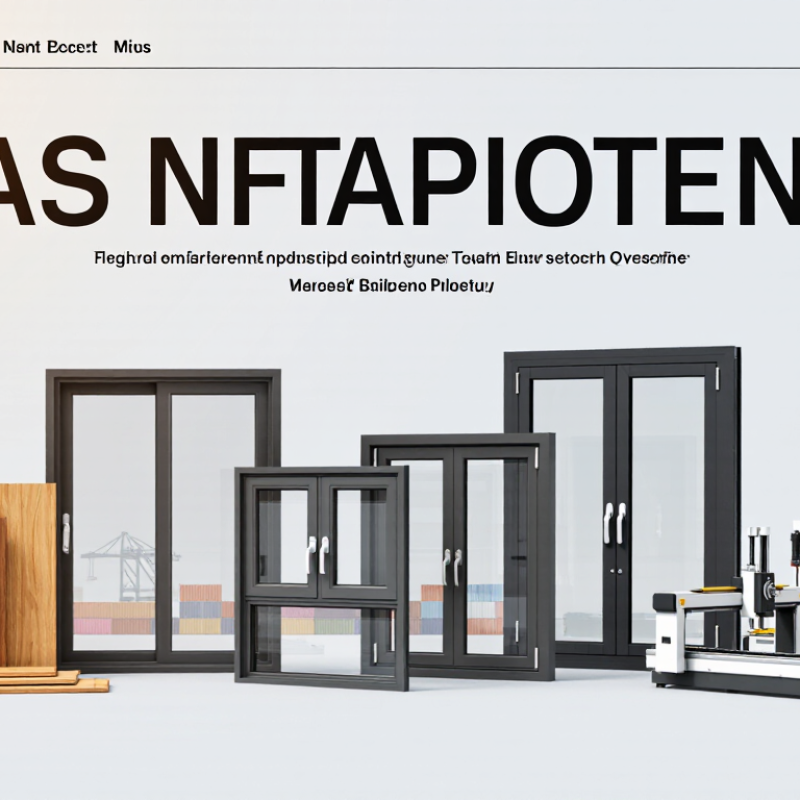
China’s windows and doors manufacturing landscape connects glass, aluminum, uPVC, hardware, and fabrication workshops. Production ranges from standard residential frames to thermally broken systems and custom curtain-wall units. Regional suppliers often operate near material processors, ports, and large construction markets. This proximity can shorten lead times, but capabilities still vary sharply between factories.
The National Bureau of Statistics of China reported 1.010 billion weight cases of flat-glass production in 2024, up 5.9% year on year. This provides useful context for the material supply chain, not a direct measure of window quality or factory capacity. That distinction matters. A national output figure cannot show how consistently an individual supplier handles glazing, sealing, or dimensional tolerances. For buyers, sample inspection and production records offer more practical evidence than scale alone.
Tips: Request frame-section drawings, glass specifications, and hardware details before comparing quotations. Ask how the factory checks dimensions and seals each unit. A clear answer is reassuring; a polished brochure is not enough. Allow time for sample testing, because the weakest detail may be the one rarely shown.
Criteria for Identifying Leading Manufacturers
A leading windows and doors manufacturer should demonstrate control over the whole production process, not just present attractive showroom samples. Check whether staff can explain how profiles, glass, seals, and hardware are selected for the intended climate and building type. Details matter. Ask for current test reports, material specifications, and clear records showing how finished products are inspected.
Production capacity matters, but consistency matters more. During a factory visit, observe whether measurements are recorded, corners are properly joined, and protective film remains intact during handling. Ask how the company manages custom dimensions and changes after drawings are approved. Request a sample that matches the proposed specification, then compare its finish and hardware with the written quotation. A polished display may not represent a typical production run.
Reliable manufacturers should provide realistic lead times, careful packaging plans, installation guidance, and a clear process for handling defects. Ask who responds when a shipment arrives with damaged frames or missing components. Ask for evidence. References from comparable projects can help, but verify that the project scope and operating conditions match yours. No single score is perfect; factory visits and sample checks also have limits. Still, specific answers and traceable records make comparisons more dependable.
Major Windows and Doors Manufacturers in China
China’s major windows and doors manufacturers serve residential, commercial, and renovation projects. Their factories may produce aluminum, uPVC, or timber systems, with different strengths in design flexibility and production scale. Some focus on standard sizes, while others build custom frames for unusual openings. The market is broad. Buyers should compare capabilities rather than rely on a single ranking.
Look closely at how a manufacturer handles the details. A well-made sample should have clean corner joints, even finishes, and hardware that moves without sticking. Ask about glass options, drainage paths, weather seals, and thermal performance. These features affect comfort, maintenance, and installation. Request clear specifications and test reports for the exact product range, not just general company credentials.
A factory visit or live video inspection can show how materials are stored and how finished units are checked. Ask who verifies dimensions before shipping and how packaging protects glass edges. Small details matter. Still, no checklist reveals every weakness, and polished samples may not match large orders. Confirm lead times, tolerances, and after-sales procedures in writing, then review a production sample before approving the full order.
Window and Door Manufacturing in China: Frame Material Benchmarks
Typical thermal conductivity ranges for common frame materials. Lower conductivity generally means better insulation through the material itself; whole-window performance also depends on design, glazing, and construction.
Thermal conductivity is shown in W/(m·K) on a logarithmic scale. Values are indicative engineering ranges; actual properties vary by material composition and grade.
Products, Materials, and Technologies They Offer
China’s window and door manufacturers produce systems for homes, offices, and large commercial buildings. Common options include aluminum alloy, uPVC, steel, and wood-aluminum frames. Aluminum frames often use thermal breaks to reduce heat transfer, while uPVC can provide practical insulation with modest upkeep. Wood-aluminum designs combine an interior wood finish with exterior cladding for added weather protection. Details matter.
Glazing choices include double- or triple-pane insulated units, low-emissivity coatings, and tempered or laminated glass. The right combination depends on climate, noise levels, building design, and safety requirements. Some manufacturers also offer concealed hinges, multi-point locks, compression seals, and sliding or folding configurations. These parts affect daily operation as much as the frame does. Automated cutting and assembly can improve consistency, but workmanship still needs checking.
When comparing products, request clear specifications for air leakage, water resistance, wind-load performance, and thermal insulation. Ask whether test results apply to the complete window or only selected components. A catalogue may show an impressive glass package, yet poor installation can undermine it. That is easy to overlook. I would also check drainage details, seal replacement options, and the installer’s experience. No material is best everywhere, and a high specification may not suit every project.
How to Compare Manufacturers for Different Projects
Comparing manufacturers starts with the project, not a ranked list. A coastal apartment, a cold-climate home, and a busy school need different window and door specifications. Note the opening sizes, expected use, exposure to wind-driven rain, and desired insulation performance. Small details matter.
Ask each supplier for matching product data, test reports, material options, and installation guidance. Check whether the proposed glass, frame, seals, and hardware suit the same conditions. A heavy entrance door may need different hinges from a lightly used balcony door. Request a sample corner or operating unit, then inspect the finish, joint quality, and ease of movement. A showroom sample helps, but it cannot show factory consistency.
Compare lead times, packaging, replacement-part access, and how quality checks are documented. Ask how changes are handled after drawings are approved; projects rarely stay perfectly still. Speak with references for similar building types, not just the largest projects. I would not treat a polished catalog as proof. That is an easy mistake. One supplier may offer lower initial costs, while another provides clearer specifications and steadier communication. Record the trade-offs, and verify claims against documents rather than confident sales language.
Who Are the Top Windows and Doors Manufacturers in China? - How to Compare Manufacturers for Different Projects
Compare manufacturers by project requirements and independently verifiable documentation. The profiles below describe common capability areas, not guaranteed features of every supplier.
| Project Type | Relevant Product Systems | Manufacturer Capabilities to Compare | Performance Evidence to Request | Key Procurement Checks |
|---|---|---|---|---|
| Residential replacement | Insulated windows and exterior doors in configurations compatible with the existing openings. | Accurate site measurement, made-to-order sizing, installation guidance, and replacement-part availability. | Product data for thermal transmittance, air leakage, water penetration, and the specified glazing configuration. | Confirm who measures and installs, how openings are handled, and what the warranty covers. |
| New-build homes | Standard or customized casement, sliding, fixed, and entry-door systems. | Consistent production, coordinated schedules, clear specifications, and the ability to supply matching units across a project. | Test reports for the proposed complete assembly, including frame, glazing, hardware, and seals where applicable. | Compare like-for-like quotations, finish and hardware schedules, packaging, delivery terms, and replacement-unit procedures. |
| High-rise buildings | Engineered window-wall or façade systems designed for the project’s building conditions. | Project-specific engineering, coordination with façade professionals, controlled fabrication, and technical support during installation. | Relevant structural-load, air-infiltration, and water-penetration test documentation for the specified system and applicable standards. | Check design responsibility, approved drawings, interfaces with the building envelope, testing scope, and installation sequence. |
| Coastal or severe-weather locations | Systems selected for the site’s wind, rain, corrosion, and exposure conditions. | Ability to specify suitable materials, coatings, fasteners, hardware, seals, and drainage details for the project environment. | Project-relevant water-penetration and structural-pressure results, plus documentation for material or coating specifications. | Verify that the tested configuration matches the proposed size, glazing, hardware, and installation details. |
| Commercial buildings | Commercial entrance doors, storefront systems, and project-specified glazed assemblies. | Higher-use hardware options, coordination of larger openings, accessible-threshold details, and service support. | Documentation for applicable safety-glazing requirements, air and water performance, and hardware-cycle testing when specified. | Review traffic expectations, door operation, access-control interfaces, spare-hardware availability, and maintenance requirements. |
| Noise-sensitive projects | Glazed assemblies configured for the project’s acoustic requirements, including appropriate glass and seals. | Ability to specify the full assembly and explain how glazing, frame design, seals, and installation affect acoustic performance. | Acoustic test data, such as the applicable STC or OITC rating, for a configuration matching the proposed assembly. | Do not compare glass-only ratings with whole-window ratings; confirm installation and perimeter-sealing details. |
| Energy-focused projects | Insulated frames and glazing configurations selected for the climate and building-energy requirements. | Clear options for frame thermal breaks, glazing, spacers, and solar-control characteristics. | Whole-product U-factor and solar heat gain coefficient (SHGC), evaluated using the relevant local rating method. | Compare the same size, frame, glass, and rating method; check that values meet the project’s local code or specification. |
Comparison tip: Request current test reports, product drawings, material and hardware schedules, sample units, written lead times, and warranty terms. Performance depends on the complete assembly, its dimensions, installation, and applicable local requirements.
Related Posts
-
What Is the Difference Between Windows and Doors?
-
Top 10 Windows and Doors Trends You Should Know About?
-
2026 Top Trends in Windows and Doors for Modern Home Design?
-

2026 Best Long Windows and Doors Types for Your Home?
-
What Are the Best Long Windows and Doors from China?
-
10 Best Windows and Doors Manufacturers Worldwide