Skip to Content
chevron-left chevron-right chevron-up chevron-right chevron-left arrow-back star phone quote checkbox-checked search wrench info shield play connection mobile coin-dollar spoon-knife ticket pushpin location gift fire feed bubbles home heart calendar price-tag credit-card clock envelop facebook instagram twitter youtube pinterest yelp google reddit linkedin envelope bbb pinterest homeadvisor angies

Why Choose Double Glazed Glass for Global Projects?

When architects plan schools, hospitals, offices, or homes across borders, glass becomes more than a visual feature. It affects energy use, interior comfort, noise control, and long-term maintenance. In practice, double glazed glass helps create a controlled gap between two panes, reducing heat transfer through the building envelope. It is not a magic solution.

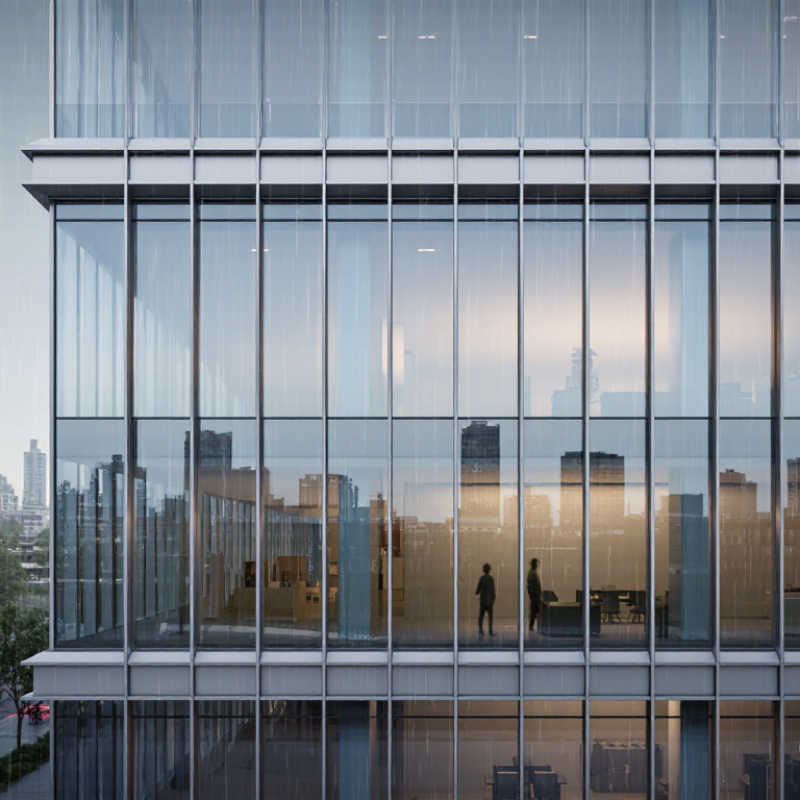
A sealed unit commonly includes a spacer, dry air or argon, and an inner low-emissivity coating. These components can keep winter warmth inside and reduce excessive solar gain in warmer regions. They may also make a busy street sound less intrusive. On a rainy morning, the inner pane should remain clearer and warmer, helping reduce condensation risks. However, performance depends on cavity width, glass orientation, frame design, and installation quality. A credible supplier should provide tested U-values, solar heat gain data, acoustic ratings, and durability information. Independent laboratory evidence matters.

For global projects, specifications must match local climates, building codes, and project budgets. A reliable technical document should identify glass thickness, coating position, gas filling, spacer type, and sealant compatibility. Teams must also consider shipping damage, edge protection, replacement access, and site storage. Small installation errors can weaken impressive laboratory results. That is where planning often falls short. Double glazed glass can support more comfortable and efficient buildings, but its value grows only when design, manufacturing, transport, and installation work together. Every climate behaves differently. That uncertainty deserves careful review, not confident promises.
Why Choose Double Glazed Glass for Global Projects?

What Is Double Glazed Glass?

Why Choose Double Glazed Glass for Global Projects?

What Is Double Glazed Glass?

Double glazed glass contains two separate panes fitted inside one sealed window unit. A spacer holds the panes apart and creates a narrow insulating cavity. This cavity usually contains dry air or an inert gas. The sealed space reduces heat movement through the window. It also limits indoor surface condensation during temperature changes. Simple structure. Careful manufacturing.

Some units include a low-emissivity coating on one glass surface. This transparent layer helps reflect indoor heat while allowing daylight to enter. In a warm climate, suitable glass can reduce solar heat gain. In a cold climate, it can help retain warmth near the interior surface. The correct specification depends on orientation, climate, frame design, and local energy requirements.

From project experience, installation quality matters as much as the glass itself. Uneven frames, damaged seals, or poor drainage can reduce expected performance. Engineers commonly review U-values, solar-control data, acoustic results, and condensation risks before approval. A coastal building may need stronger corrosion resistance. A high-altitude project may require pressure considerations for sealed units. Standards also differ between countries, so documents need careful checking.

The term sounds straightforward.

Yet small mistakes can become expensive. A darker glass option may improve glare control but reduce daylight. A thicker unit may improve sound insulation but affect frame weight. Site conditions can also expose weaknesses that laboratory testing does not show. That is why transparent test data, qualified fabricators, and documented inspections remain important for international projects.

Why Choose Double Glazed Glass for Global Projects?

Typical Center-of-Glass U-Value by Glazing Type

Double glazed glass can significantly reduce heat transfer compared with single glazing. The lower the U-value, the better the insulation performance. Typical values vary according to glass thickness, cavity width, gas filling, low-emissivity coatings, frame design, and local testing standards.

How Does Double Glazed Glass Improve Building Performance?

Double glazed glass improves building performance by placing an insulating air or gas layer between two panes. This cavity slows heat transfer through the window. In winter, indoor warmth stays closer to the room; in summer, exterior heat enters more slowly. The U.S. Department of Energy reports that windows can cause 25–30% of residential heating and cooling energy use. Better glazing can reduce this pressure on HVAC systems.

Performance depends on more than pane count. Low-emissivity coatings, warm-edge spacers, frame design, and accurate installation all affect results. The National Fenestration Rating Council evaluates U-factor and solar heat gain coefficient, helping project teams compare products consistently. A lower U-factor means improved insulation. A lower solar heat gain coefficient can limit overheating in sunny climates. Small errors matter. Poor sealing around the frame can undermine expensive glass.

The International Energy Agency states that buildings consume about 30% of global final energy. Double glazing cannot solve that challenge alone, but it supports lower operational demand and more stable indoor temperatures. In a real project, occupants may notice fewer cold spots beside the window and less condensation on winter mornings. Yet performance claims should be checked against local climate data, orientation, shading, and ventilation. A specification copied from another region may disappoint. Careful testing remains essential.

Which Benefits Make It Suitable for Global Projects?

Why Choose Double Glazed Glass for Global Projects?

Double glazed glass supports different climate needs with a sealed airspace between two panes. In cold regions, it reduces indoor heat loss and keeps interior surfaces warmer. In hot climates, a suitable low-emissivity coating can limit solar heat gain. This helps reduce dependence on heating and cooling systems.

Its benefits also extend beyond energy performance. The sealed cavity can improve sound insulation near airports, highways, and dense urban areas. Properly selected glass may reduce interior condensation during humid seasons. However, performance depends on the whole window system, not glass alone. Frame materials, spacer quality, seal integrity, and installation details all matter.

Global projects require careful adaptation. A specification suitable for northern Europe may perform poorly in a tropical coastal city. Designers should review U-value, solar heat gain, visible light, wind loads, and local safety requirements. Transport and storage deserve attention too. Damaged edges can weaken long-term sealing. Testing from accredited laboratories adds useful evidence, but field installation still needs inspection. One overlooked detail can affect years of service. Double glazing is effective, but it is not automatically the best answer for every building, budget, or climate.

How Does It Adapt to Different Climates and Regulations?

Double glazed glass adapts well to global projects because its performance can be adjusted for local climate conditions. Its sealed cavity slows heat transfer and improves indoor comfort. In hot regions, solar control glass can reduce intense sunlight and cooling demand. In cold regions, low-emissivity coatings help retain indoor warmth. Small details matter.

The same glass unit cannot serve every climate equally. Designers should review temperature ranges, humidity, wind exposure, and sunlight before selecting specifications. In humid coastal areas, durable edge seals help reduce moisture risks. In high-wind zones, thicker glass and stronger frames may be necessary. Spacer materials also affect condensation near the glass edges. Site reviews often reveal installation gaps that laboratory tests cannot show.

Building regulations differ between countries and even between cities. Some rules focus on U-values and thermal performance. Others address solar heat gain, safety glazing, acoustic control, or fire-related requirements. Project documents should clearly record glass composition, test methods, and calculated performance. Local engineers must verify these details against current standards. No system is perfect. A strong specification can still fail when drainage, sealing, or alignment is neglected. That weakness deserves attention.

What Should Buyers Consider When Choosing Double Glazed Glass?

Why Choose Double Glazed Glass for Global Projects?

Choosing double glazed glass requires more than comparing prices. Buyers should study climate, building orientation, room use, and local construction requirements. A west-facing office may need stronger solar control than a shaded apartment. In cold regions, low U-values can reduce indoor heat loss. However, the lowest U-value is not always the best choice. It may limit useful daylight or increase the need for artificial lighting.

Glass specifications should include U-value, solar heat gain coefficient, visible light transmission, and acoustic performance. Ask whether the unit uses Low-E glass, argon gas, and a warm-edge spacer. These details affect comfort and long-term energy performance. Gas-filled units can improve insulation, but only when the edge seal remains reliable. For bathrooms, kitchens, and coastal buildings, buyers should examine condensation risks and moisture resistance. Safety glazing may also be necessary near doors, stairs, and low-level windows.

Project reliability depends on more than the factory quotation. Confirm glass thickness, sealant compatibility, dimensional tolerances, and transport protection. Request recent test reports and installation guidance. Local codes may differ, even between nearby countries. A product suitable for a dry inland climate may perform poorly in a humid coastal area. I would also check replacement access before approving unusual sizes. Small oversights can create expensive site delays. Some performance calculations remain uncertain without accurate orientation and shading data. That information should be verified before final production.